How That Shows Up in the Door
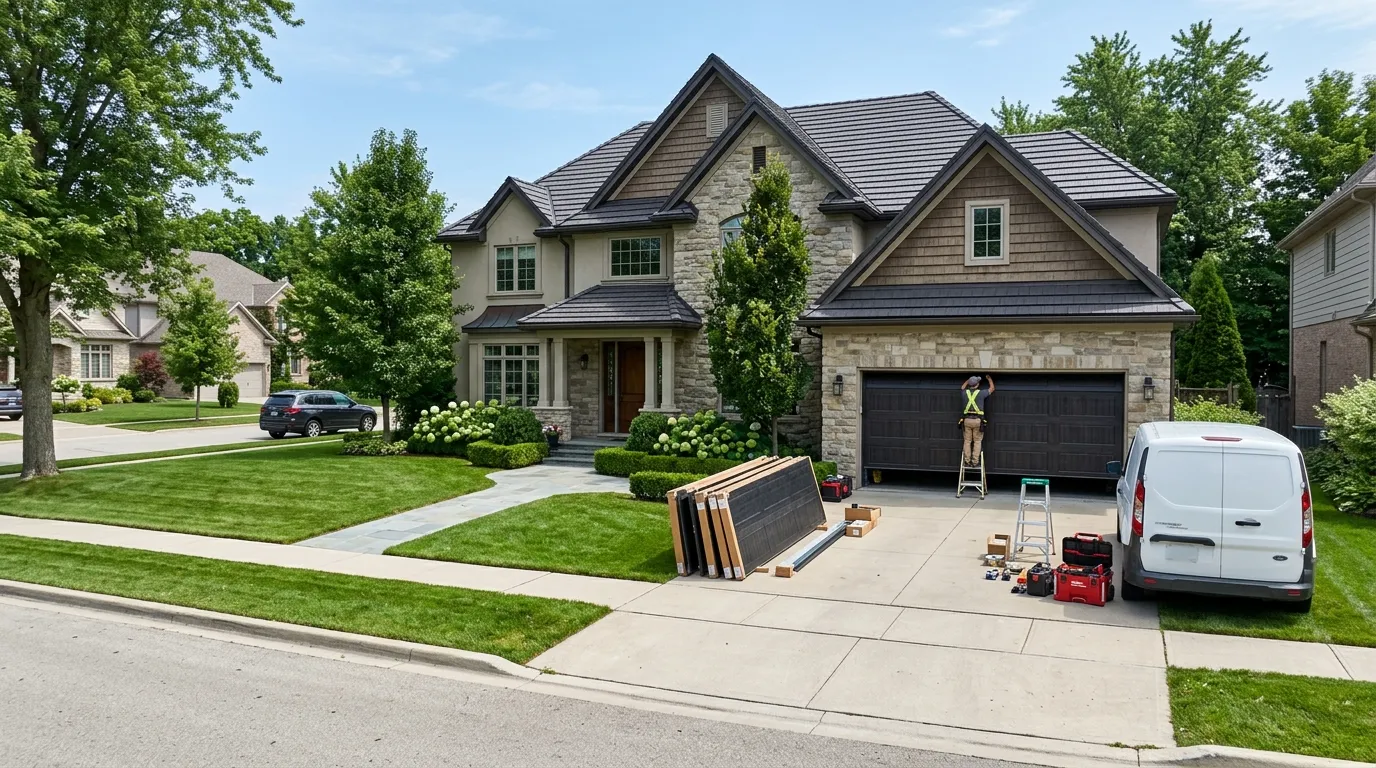
Most homes in Woodland Hills went up around 1998, which puts this area squarely in the same building wave as the wider Spanish Fork service territory - houses built between 1975 and 2015, with 1998 as the midpoint. That matters more than it sounds like it should. A door and opener installed in a late-90s build is old enough that the original torsion springs are near or past their wind-cycle life, and old enough that the opener is likely a chain-drive unit without the safety sensors or rolling-code security that became standard later.
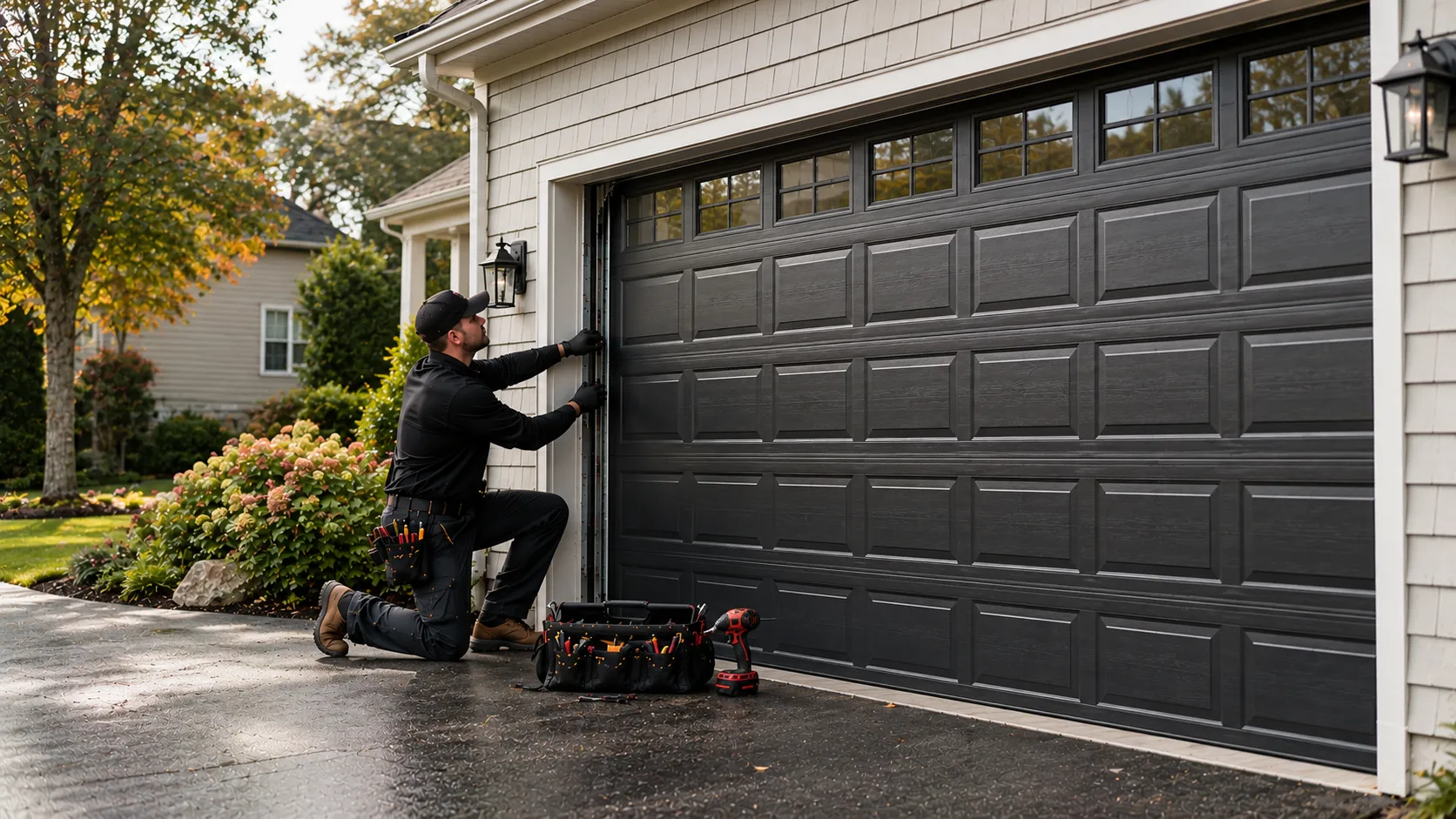
What we don't see much of here are the true first-generation doors from the 60s and 70s - one-piece panels, side-mounted hardware, the stuff that needs parts nobody stocks. Woodland Hills skipped that era almost entirely. What we do see is a lot of steel sectional doors on standard torsion springs, aging out roughly on schedule, with openers that are 20-plus years old and starting to show it in slow response or a motor that runs hot.
Timing on This Area
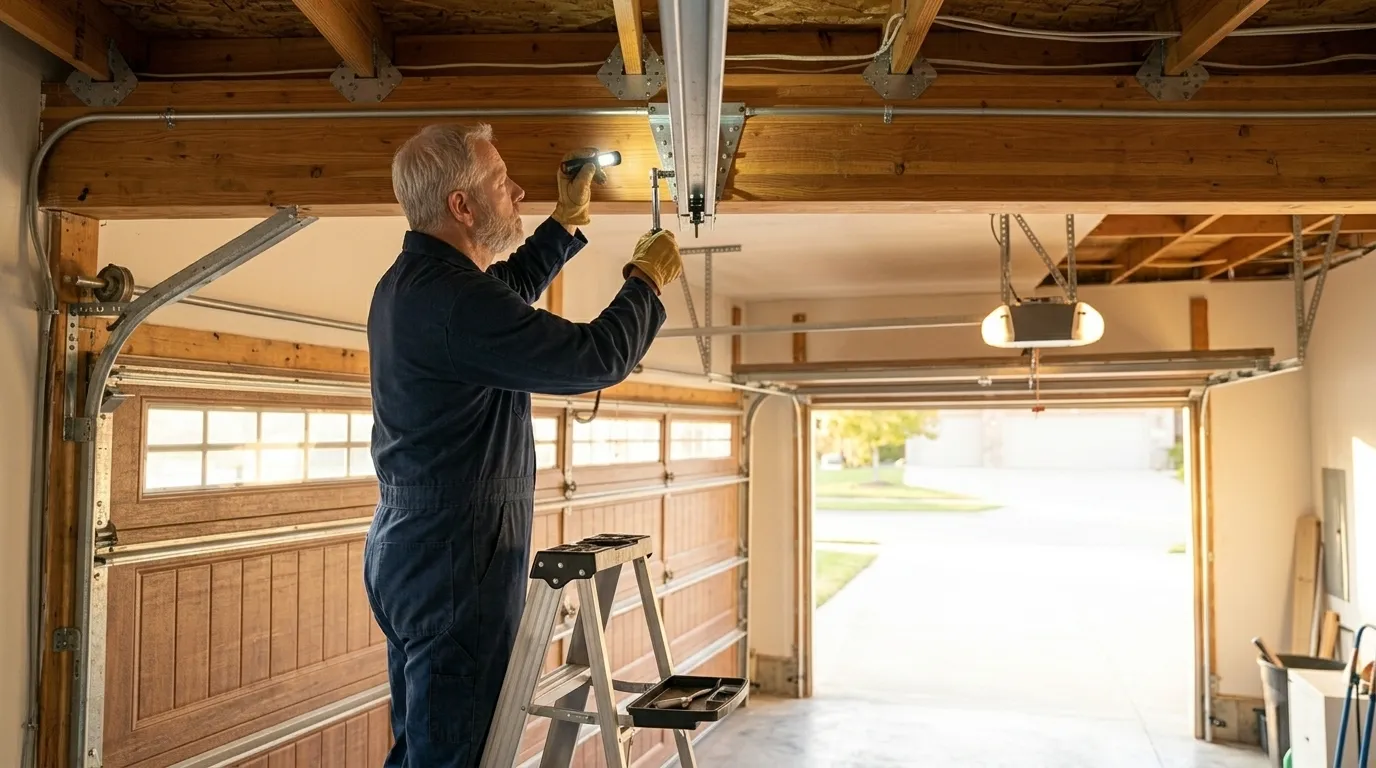
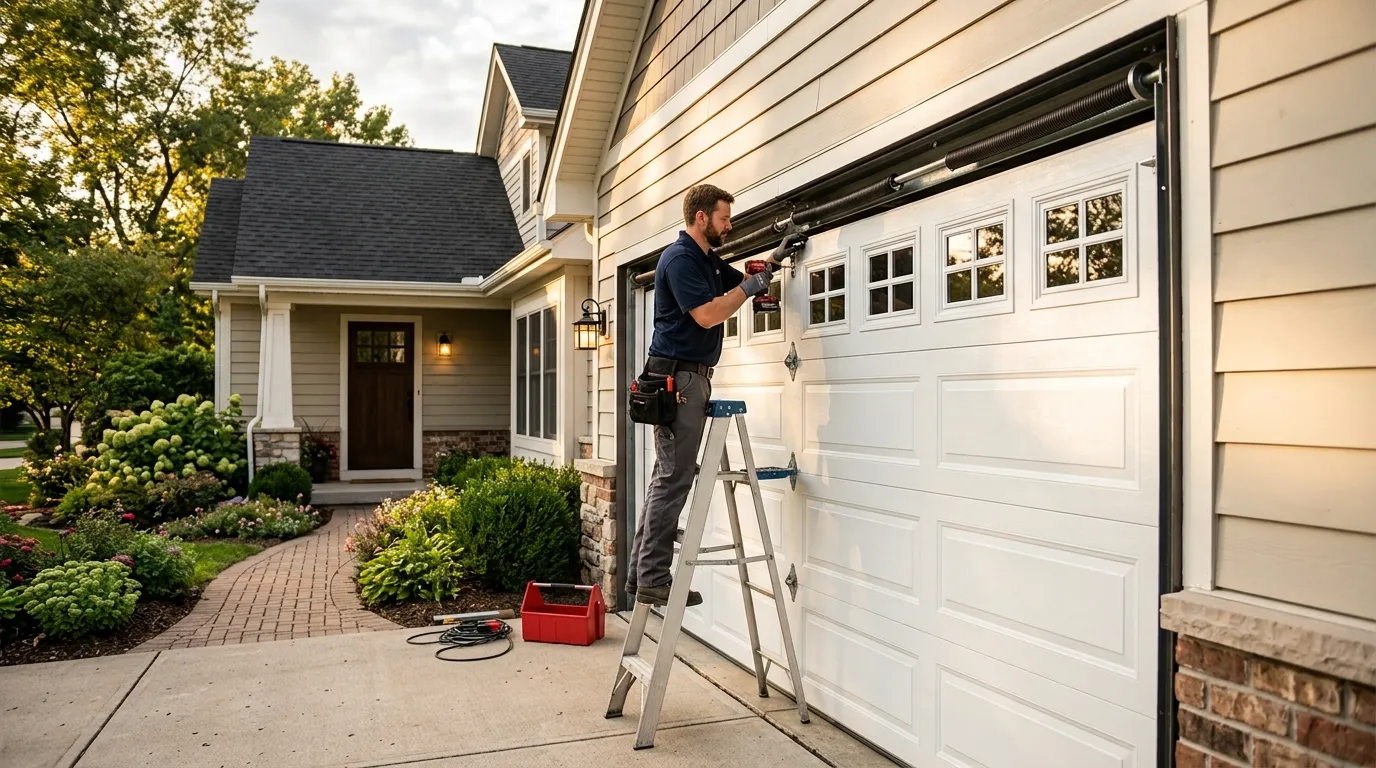
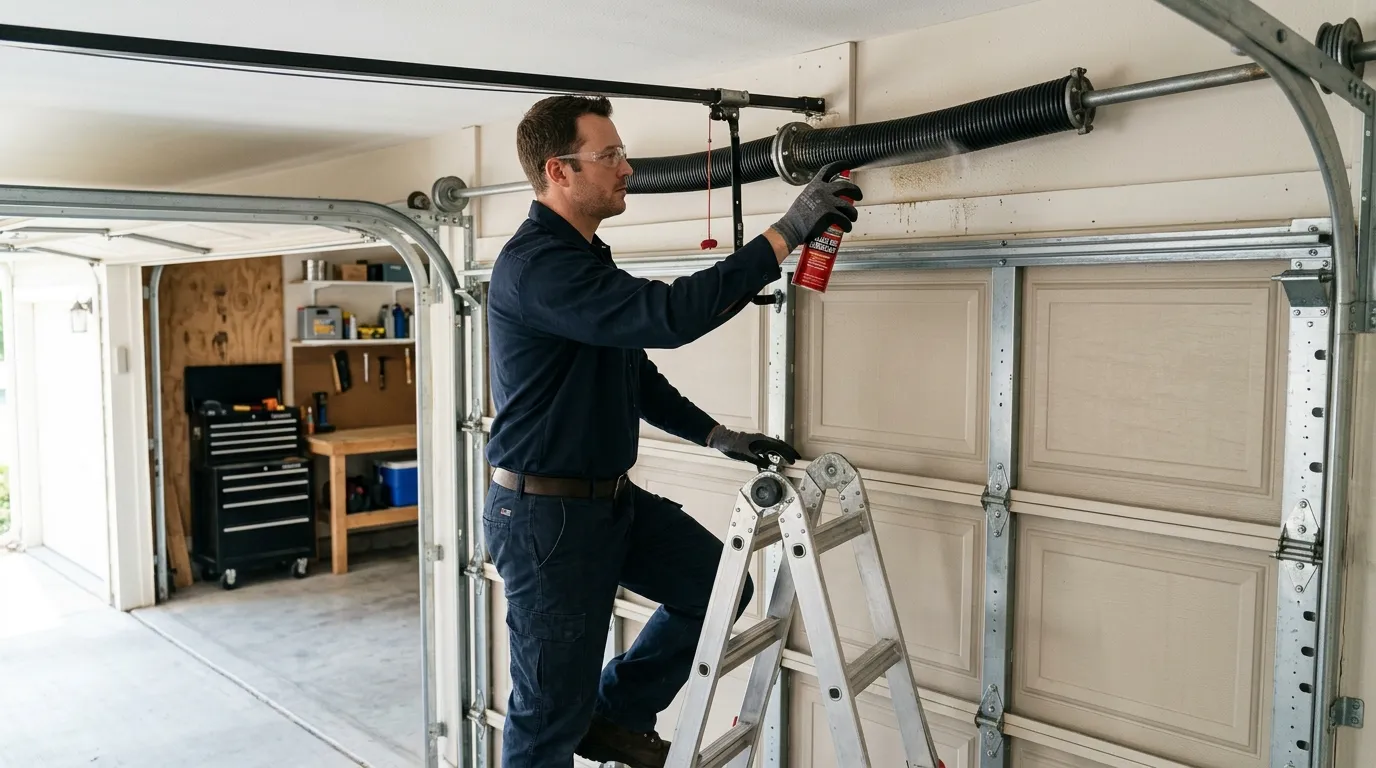
A house built in 1998 puts a torsion spring somewhere past its expected cycle count by now, assuming it's the original. Springs don't fail on a fixed calendar, they fail on use, but a 25-year-old spring under daily cycling is a reasonable thing to plan for rather than wait out. Woodland Hills also sits in the same cold-climate band as the rest of the area, and repeated freeze-thaw stress on old hardware speeds up fatigue in cable and spring steel that's already near the end of its life.
If your door came with the house, the practical math is this: spring replacement now is a planned, controlled job. Spring failure later is a door stuck shut with a car behind it. We're 7 miles out, which means an emergency call isn't a same-hour fix - it's a scheduled trip like any other. Getting ahead of a spring that's clearly aged, rather than waiting for it to snap, is the one piece of timing advice that actually saves you the wait.