What Happens When We Come Out for a Garage Door Call
See what a Spanish Fork garage door service call actually includes, from spring checks on 1980s-90s doors to cold-weather track and roller adjustments.
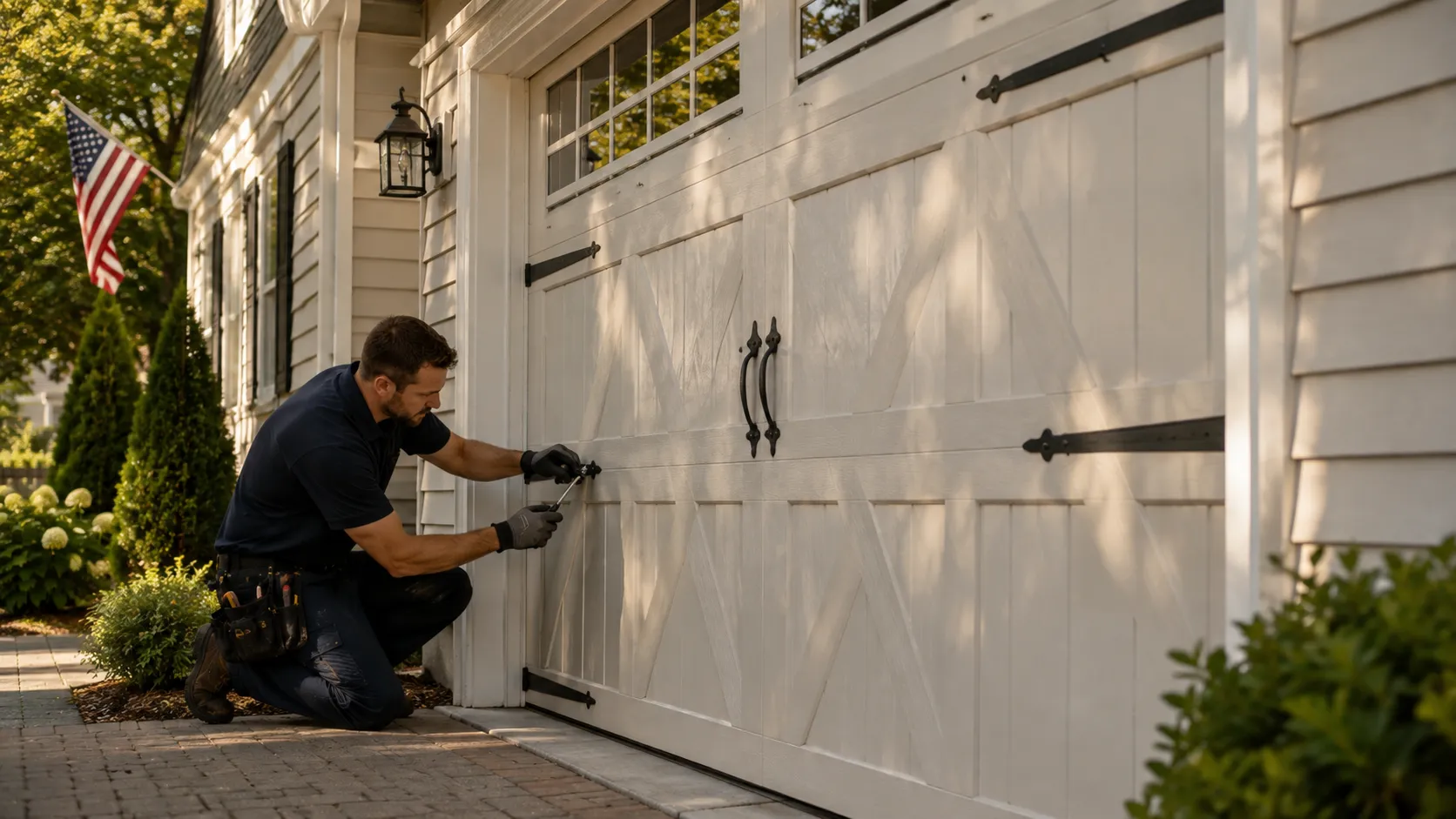
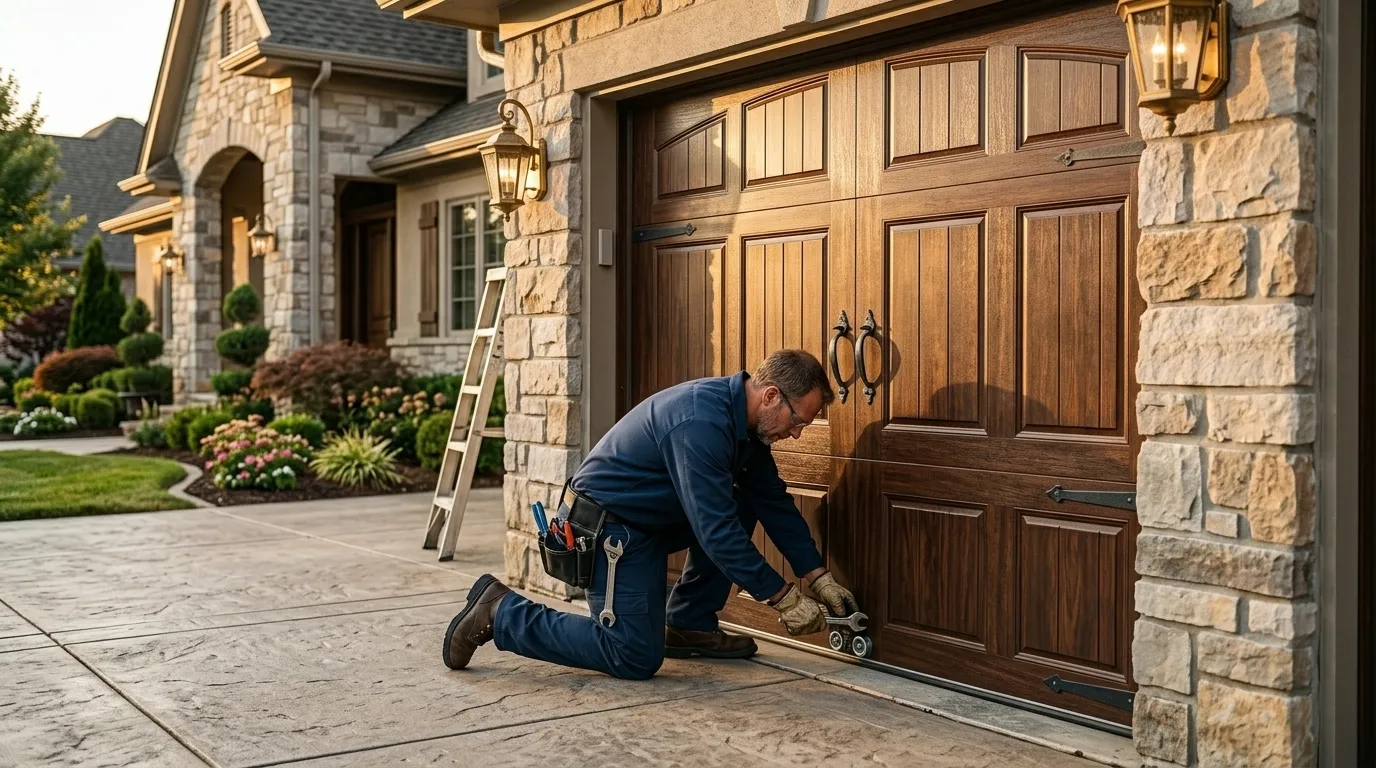
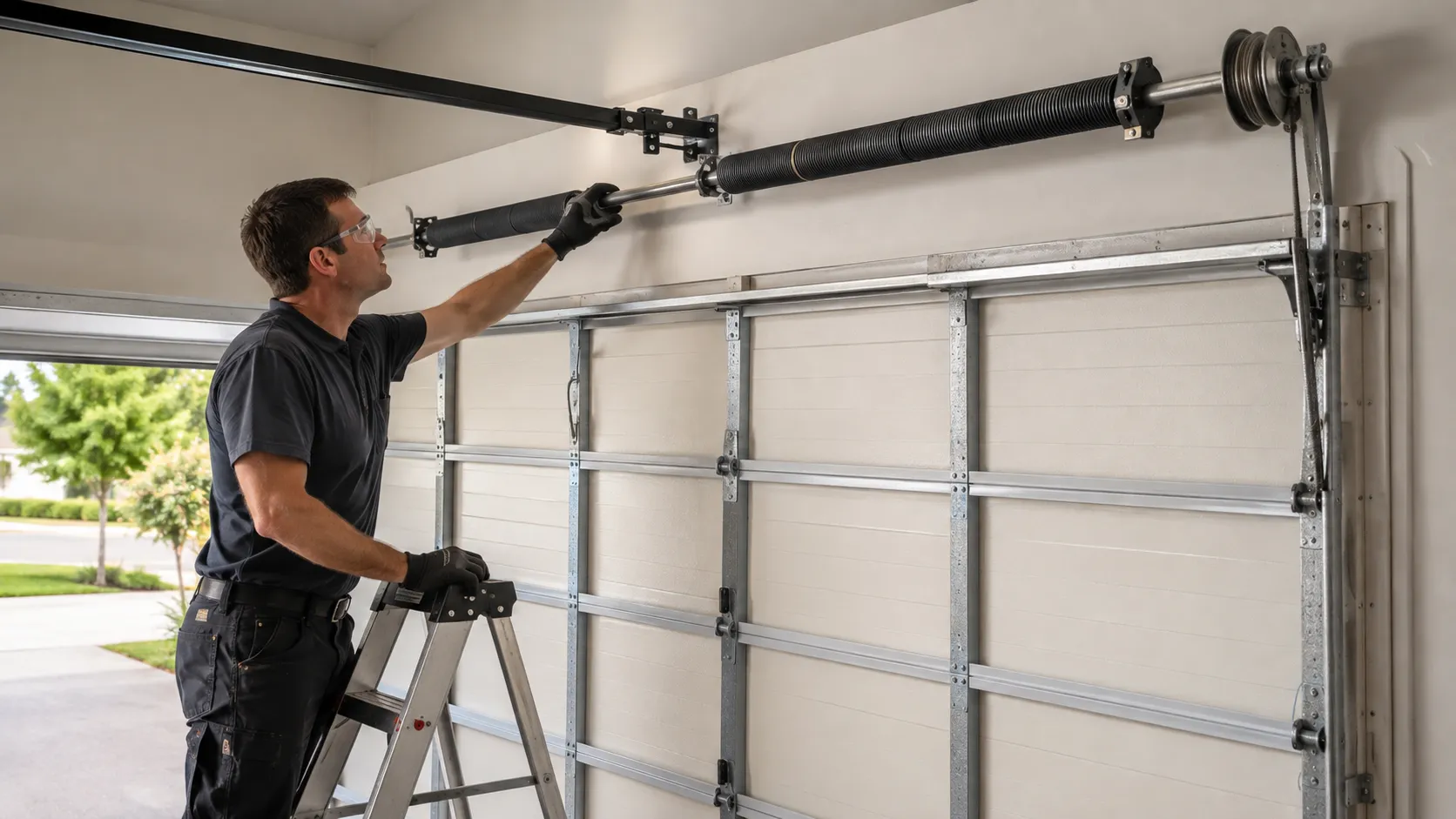
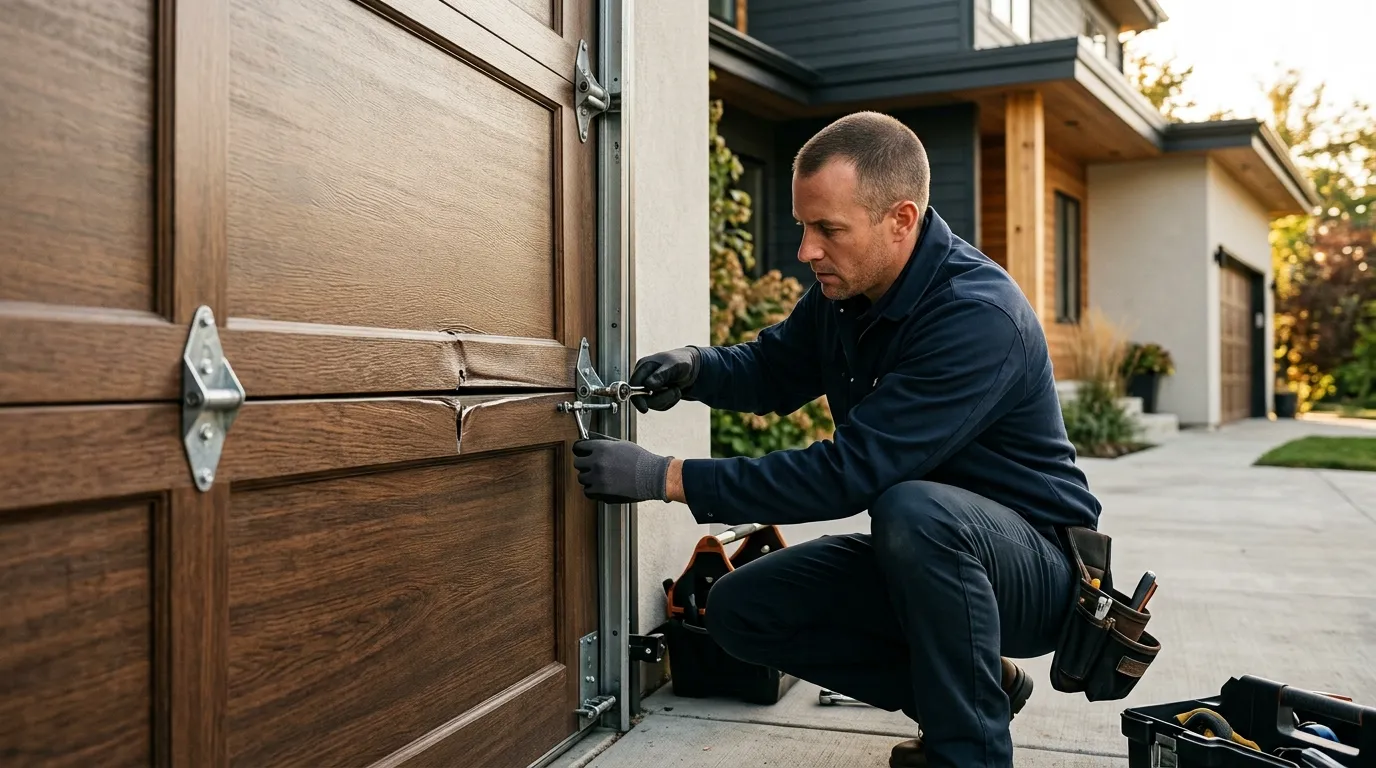
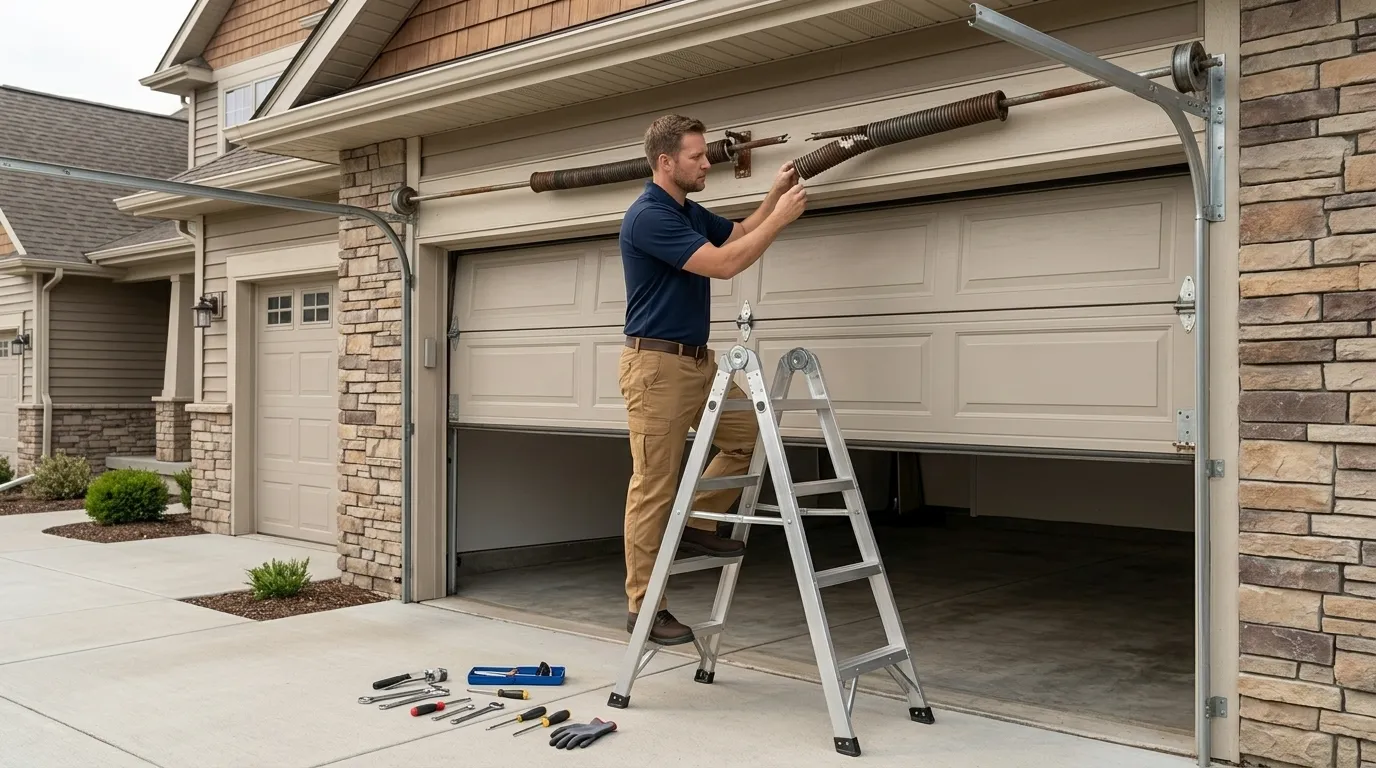
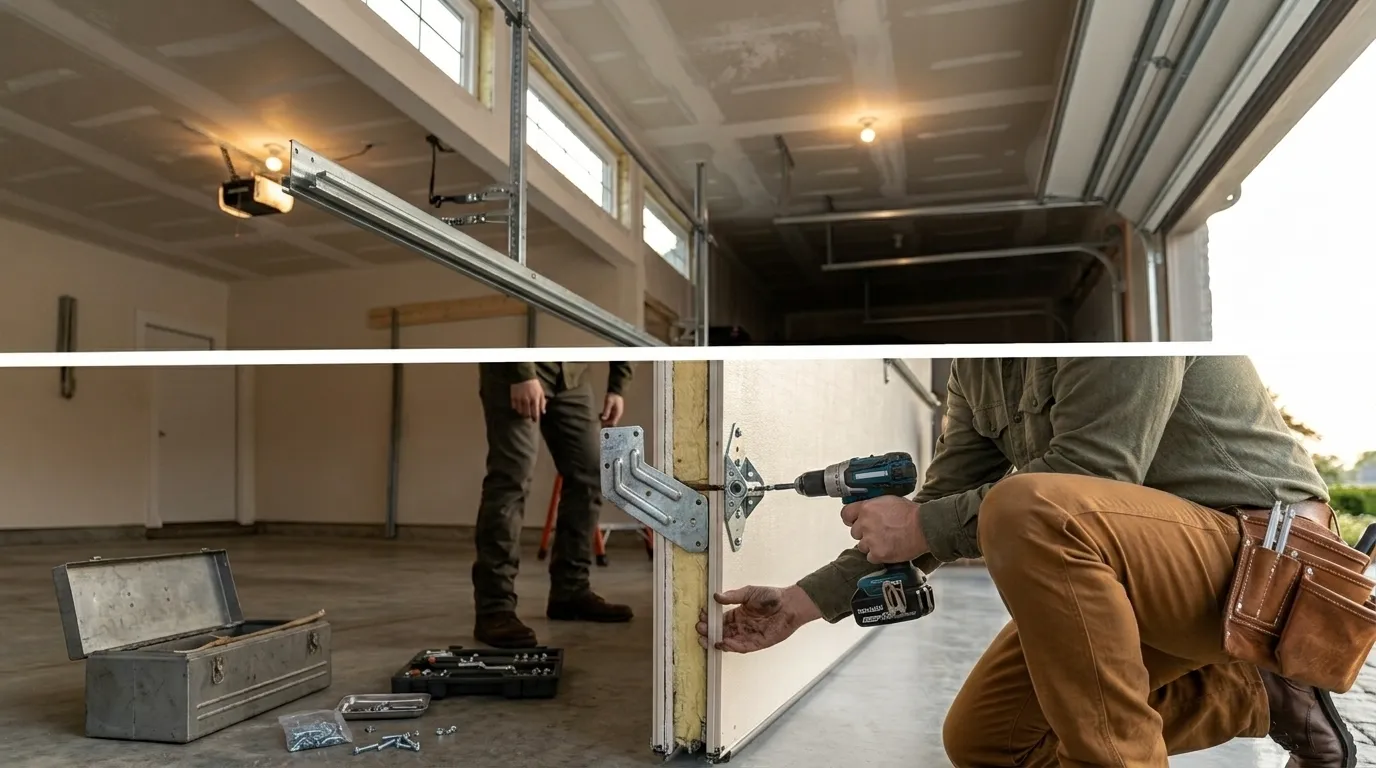
Most people call about one symptom - a grinding noise, a door that hangs up halfway - and assume the tech is there to fix that one thing and leave. That's not really how it works, and it's not how it should work here. Housing across the Spanish Fork service area went up mostly between 1975 and 2015, with the median build landing around 1998, so on a lot of these calls the spring, cable, and track hardware in the garage is original to that era. A door that's making noise today is usually the same age as the springs that are about to go. So a real service call checks the whole system: spring wind and balance, track alignment, roller condition, cable wear, opener gears - not just the symptom you noticed. Skipping that on a house with 25 to 30-year-old hardware means you get charged for the same trip twice, once for the noise and once for the spring that snaps six weeks later. The honest version of a service call costs a bit more time up front because the tech is looking at hardware that's had decades to wear unevenly, not because we're padding the invoice.
When Waiting Is Fine
Not every rattle needs a same-day call. If the door still opens and closes on its own power, doesn't bind on the track, and the noise is a dull thump rather than a squeal or a bang, you can usually wait a week or two and schedule it instead of treating it as an emergency. A slightly loose roller or a chain that needs tensioning falls into that category. What doesn't fall into that category is a door that's noticeably harder to lift by hand than it used to be - that's a spring losing tension, and in a cold-severe climate like this one, a weak spring plus a cold snap is how you end up with a snapped cable or a door stuck half-open on a January morning. Our honest limit here: if you're not sure which category you're in, describe what you're hearing and seeing when you call, and we'll tell you straight whether it can wait. We'd rather talk you out of a trip charge on something minor than have you sit on something that's going to fail at the worst possible time.
What Local Conditions Do
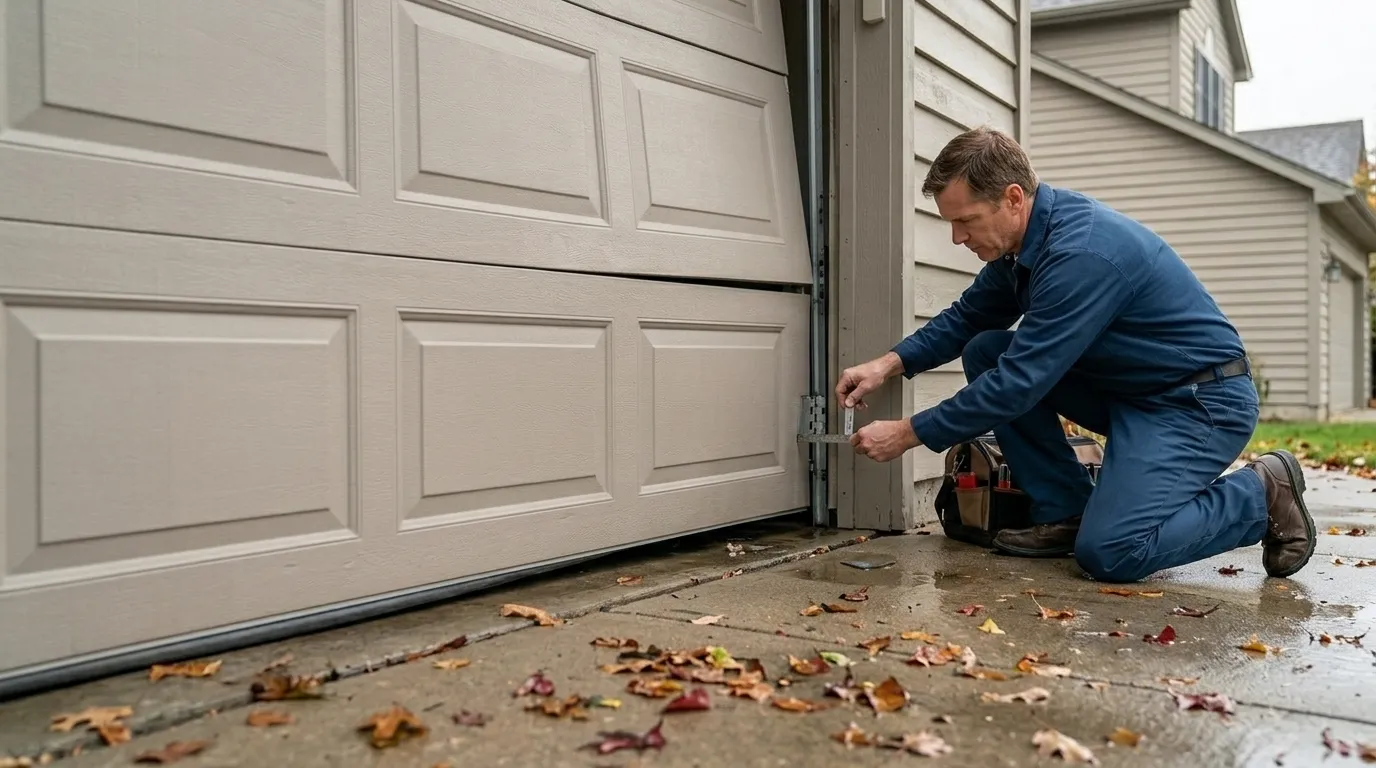
Spanish Fork sits in a cold, climate band the federal data marks as severe, and that matters more for a garage door than people expect. Torsion springs lose measurable tension as steel gets cold, which means a spring that was borderline in October can leave a door feeling noticeably heavier by December, sometimes hard enough that the opener strains and burns out a gear set trying to compensate. Steel tracks contract in the cold too, and if they weren't dead-on in alignment to begin with, that contraction is often what turns a minor rub into a door that binds and jumps the track. Grease and lubricant on rollers and hinges also stiffen up, which is why a door that ran quiet all summer starts groaning the first hard freeze. None of this is dramatic - it's slow, cumulative wear that shows up as a sudden failure because nobody was watching for it. A fall service call, before the cold really sets in, catches most of it while it's still an adjustment instead of a breakdown.
What Is Going On
On most calls, what's actually going on is a hardware life-cycle problem, not a mystery. A big share of the houses we work on - across the fifteen communities in this area, from Palmyra three miles out to Pleasant Grove nineteen miles away - were built in the 1980s and 90s, and that means original torsion springs, first-generation chain-drive openers, and steel rollers that were never swapped for nylon. Those parts have a rated cycle count, and a door that's opened twice a day for 30 years has used most of it up. With roughly 27,557 owner-occupied houses in the service area, that's a lot of springs closing in on end-of-life at close to the same time, which is part of why we see clusters of spring-failure calls after a cold spell rather than a steady trickle year-round. What we're checking on a service call is basically: how much life is left in this system, and is it worth extending with a repair or better to replace outright. We'll tell you which, and we won't talk you into replacing a door that's got good years left just because it's making noise.
How it works
From “it’s stuck” to “it’s fixed”
01
Tell us what’s wrong
Describe the symptom - won’t open, loud bang, opener runs but the door won’t move.
02
On-site diagnosis
A technician tests the door under power and by hand and finds what actually failed.
03
Clear, up-front plan
You get the fix that’s needed and what drives the cost - before any work starts.
04
Repaired & tested
The repair is done, the door is set true and tested, and the work area left clean.
Serving Spanish Fork, UT - tell us what your door’s doing and we’ll take it from there.
01How often should a garage door get serviced in Spanish Fork's winters?
Once a year, ideally before the cold sets in, is enough for most doors. Cold makes torsion springs lose tension and steel track contract, so an autumn check catches loose hardware or a weakening spring before a hard freeze turns it into a stuck or broken door.
02My door is from the 1990s and still works - do I need to do anything?
If it's opening and closing smoothly with no strain, you can leave it. But hardware from that era is nearing or past its rated spring life, so it's worth having someone check spring tension and cable wear rather than waiting for it to fail on a cold morning.
03Is it normal for the door to feel heavier in winter?
Yes, and it's usually the spring, not your imagination. Torsion springs lose tension as steel gets cold, so a spring that was fine in warm months can leave the door noticeably harder to lift once temperatures drop. That's worth a call before the spring or cable gives out.
04Should I repair or replace an older opener?
Depends on what's failing. A gear kit or capacitor is usually worth repairing. If the opener is straining constantly because the spring is weak, fixing the spring first often solves the opener problem too, and we'll tell you if replacement makes more sense once we see it.
Ready to get your garage door sorted?
Tell us what it’s doing and where you are in Spanish Fork - we’ll take it from there.