How That Shows Up in the Door
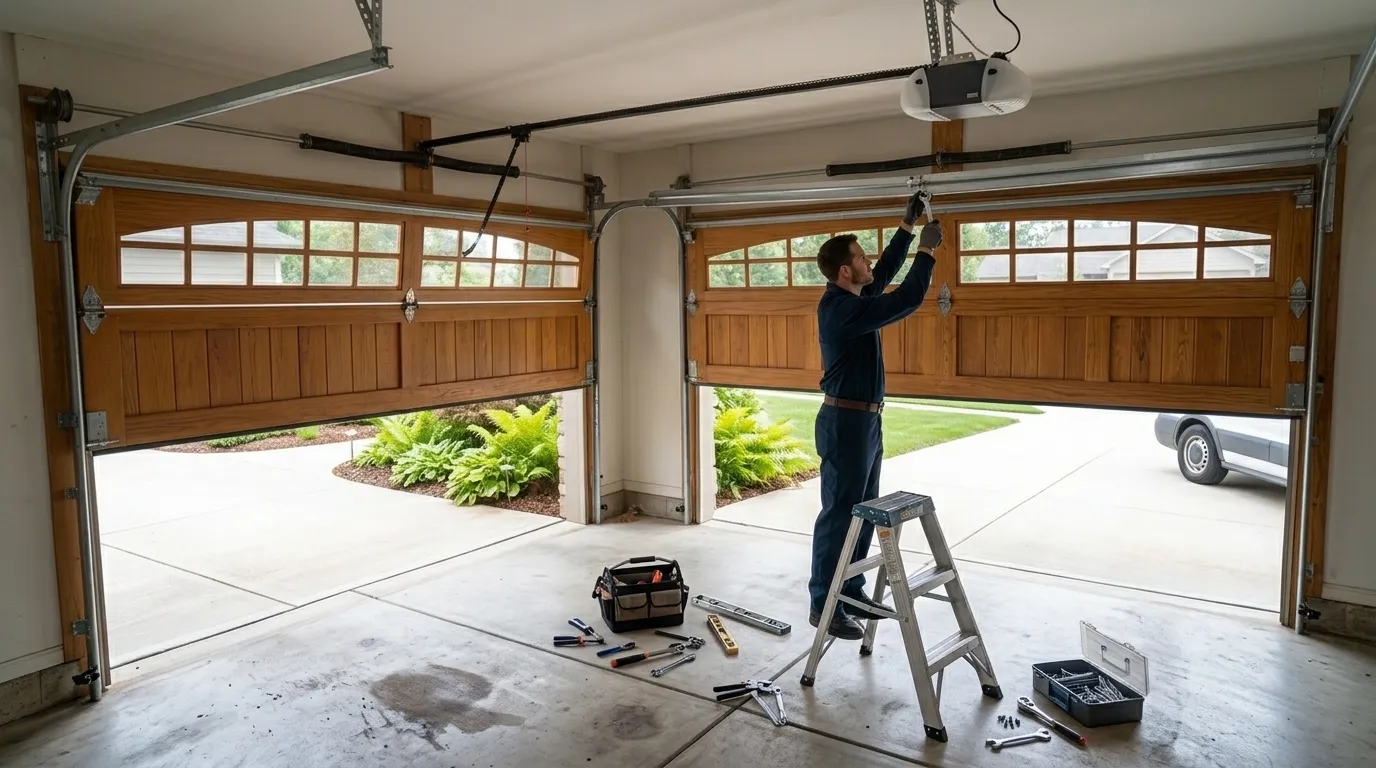
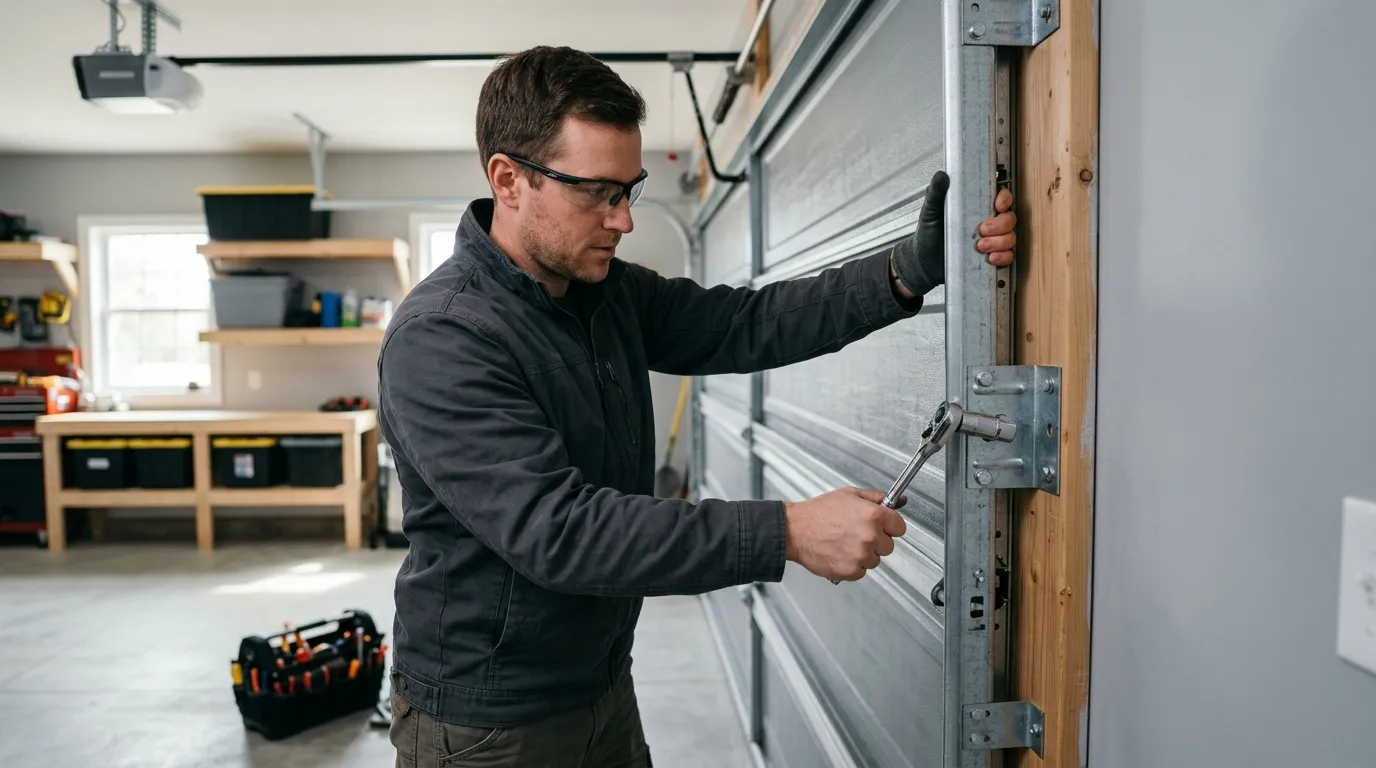
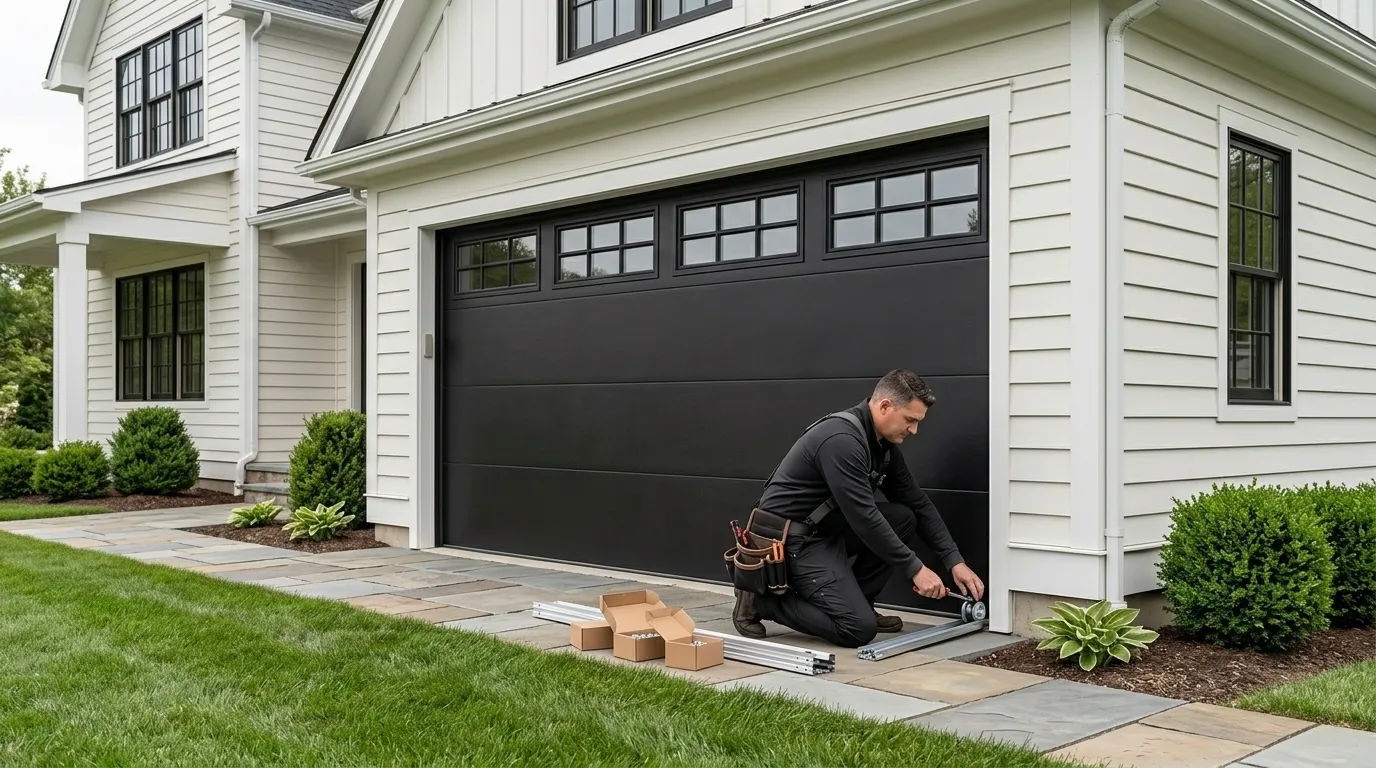
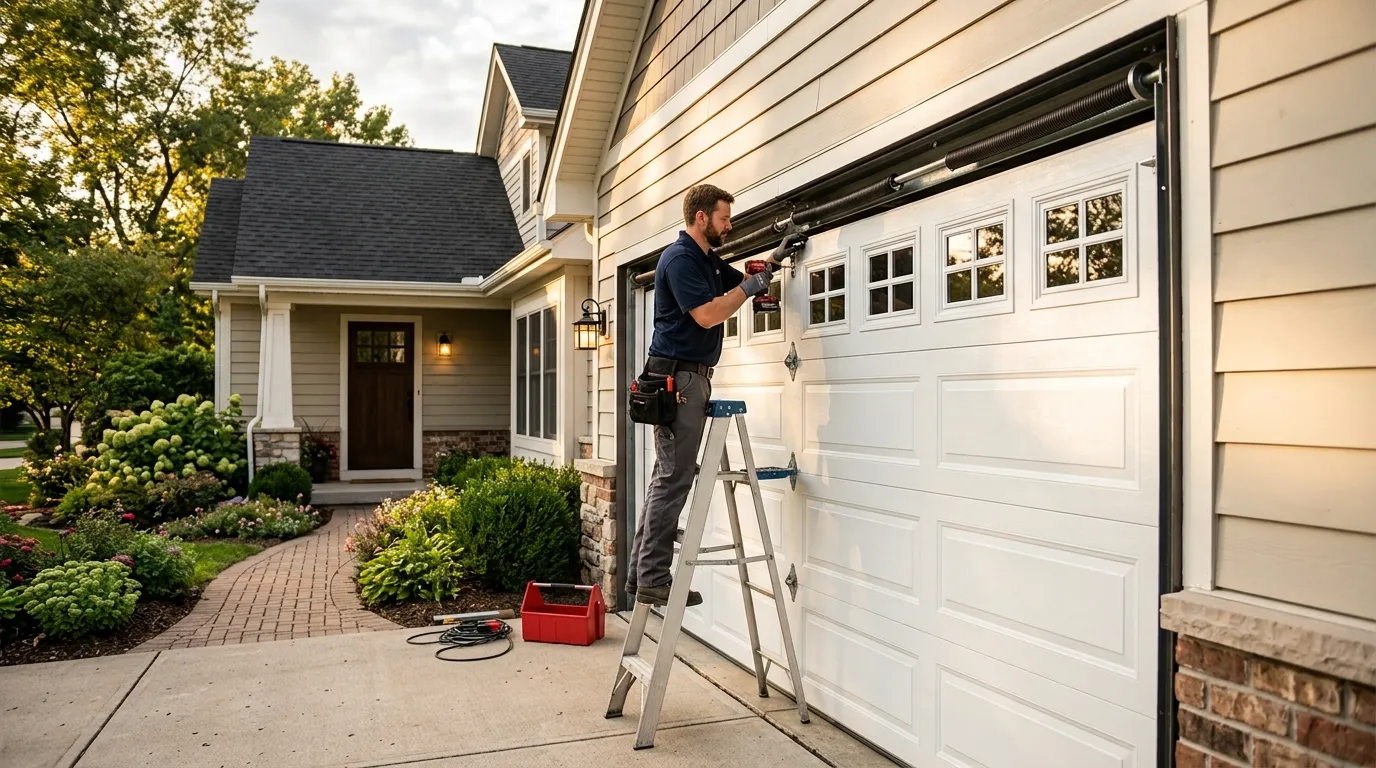
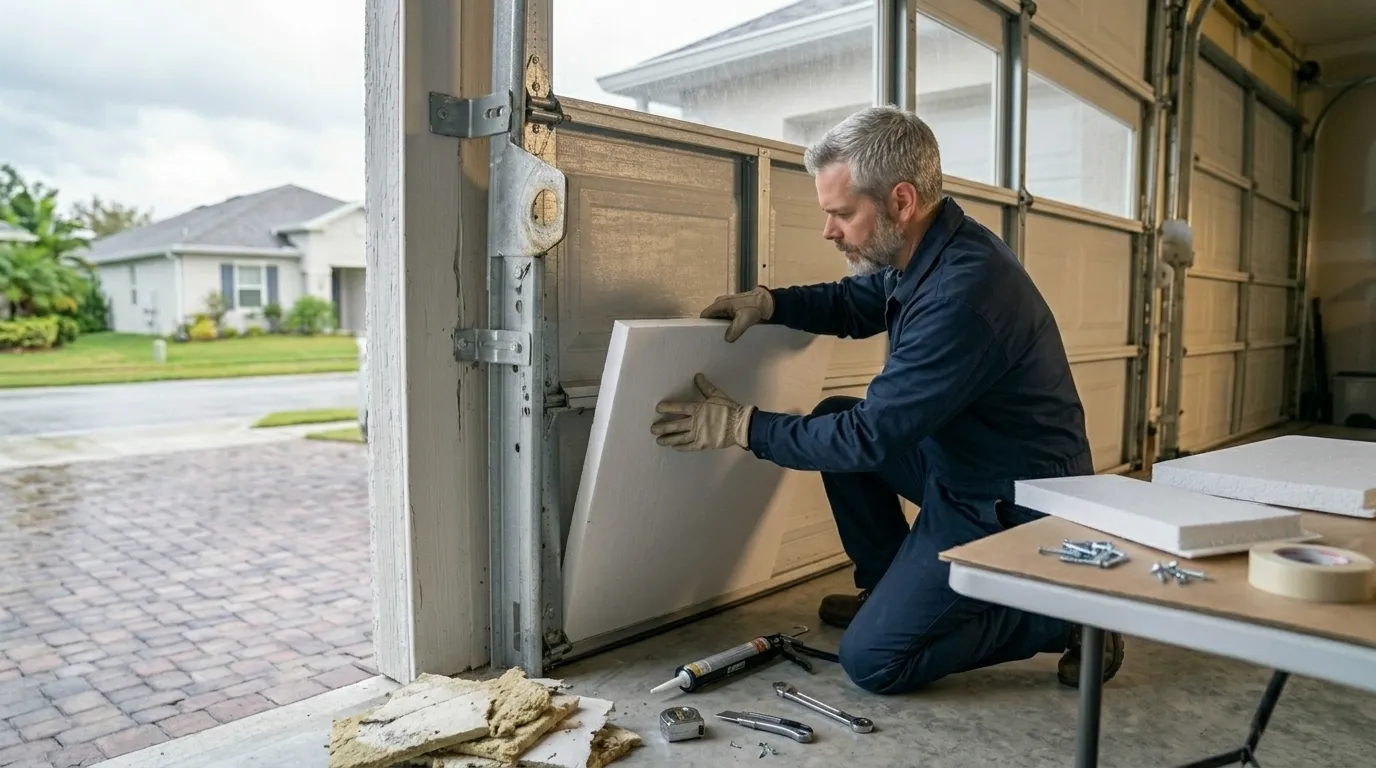
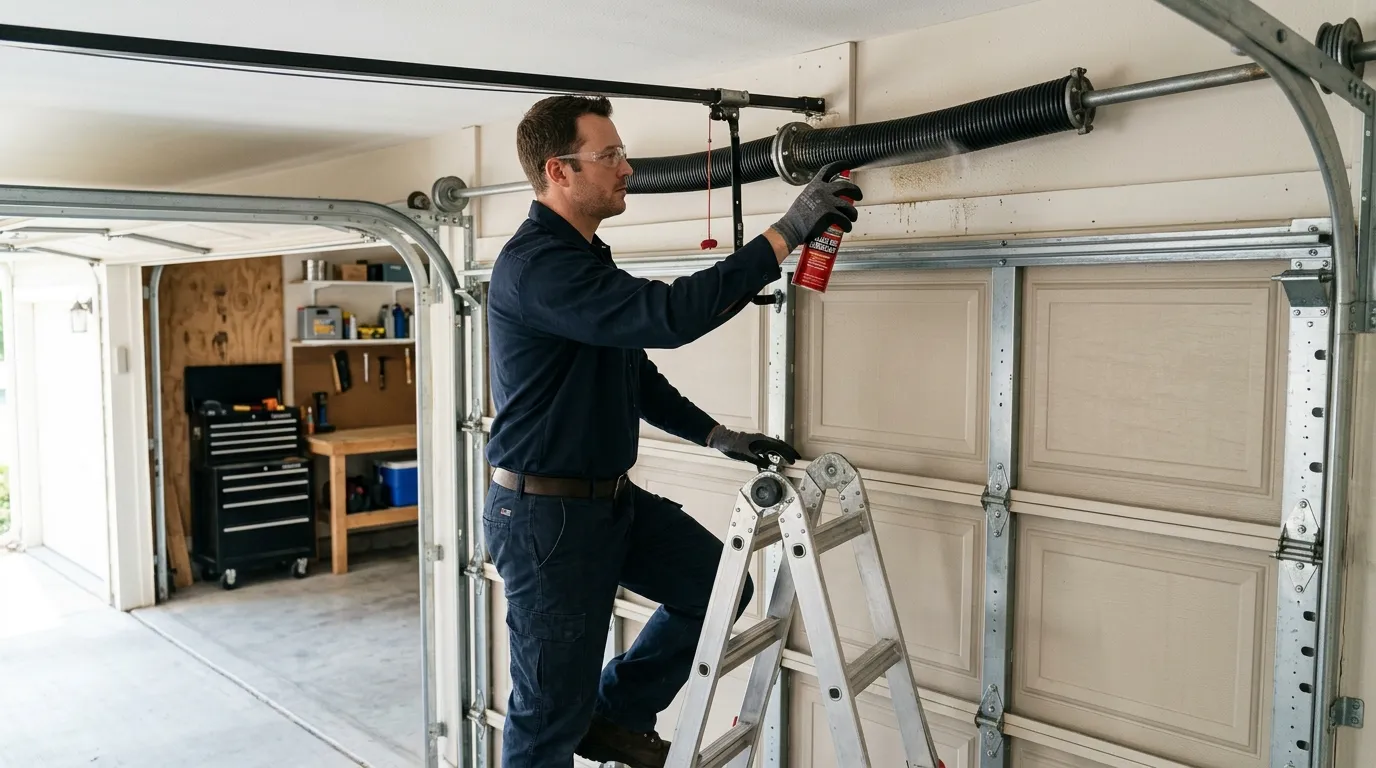
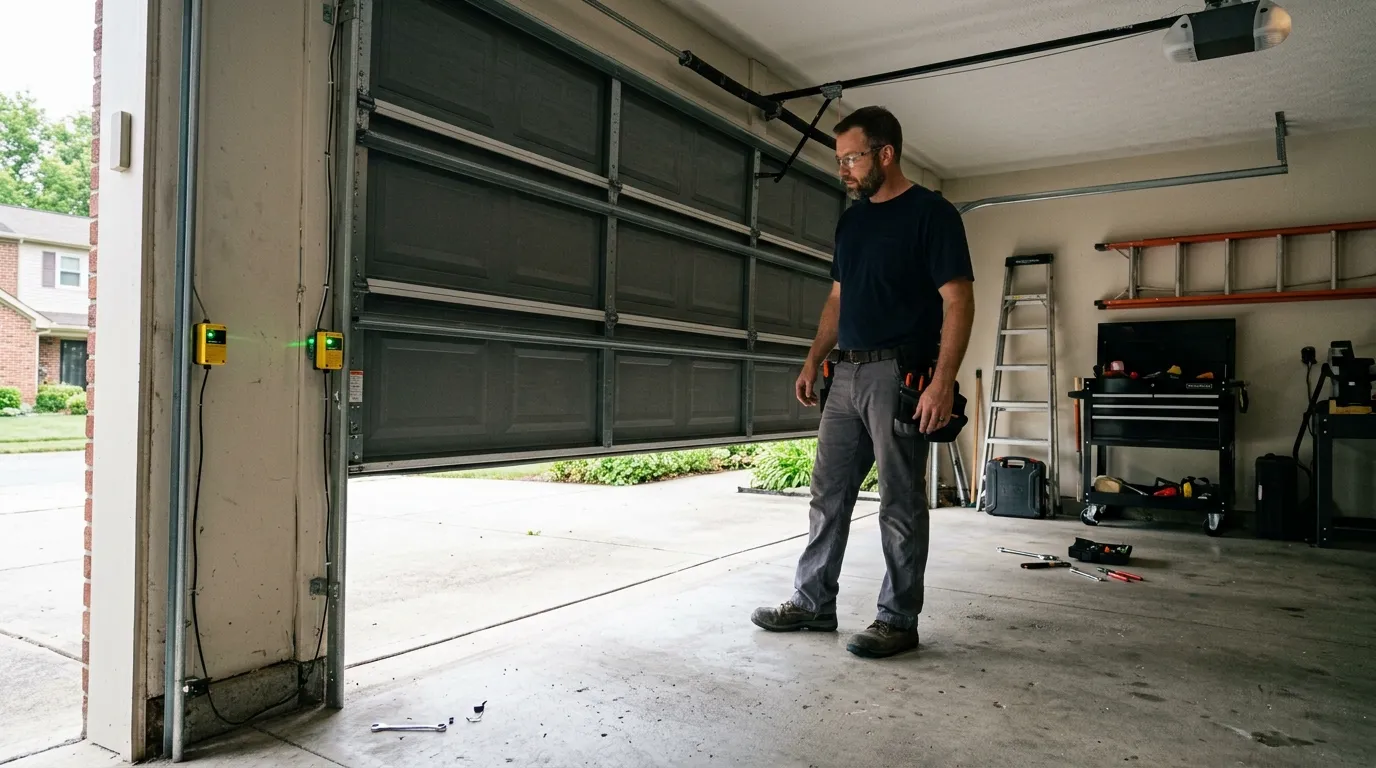
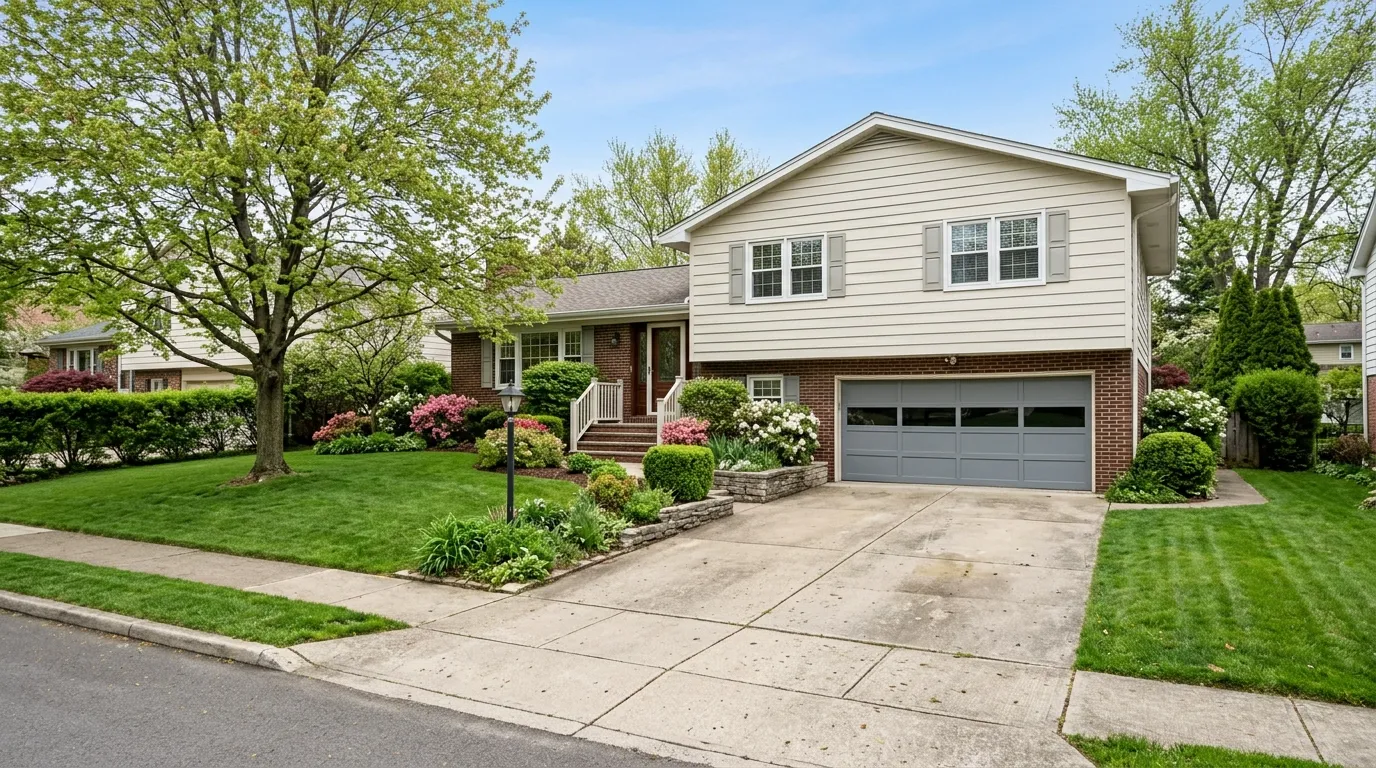
Benjamin's housing runs older than a lot of what we see across the wider service area. The median build year here is 1981, well ahead of the area-wide median of 1998, which means a good share of these garage doors are original or one owner removed from original. That era used lighter gauge steel panels, smaller torsion springs sized for lighter doors, and openers with chain drives that are long past their expected life if they haven't been swapped already. On a 1980s door, the common failure isn't a fancy sensor or circuit board issue, it's a worn spring that was never rated for today's heavier insulated replacement panels, or a track that's been reset one too many times. If your door is original to a house built in the early 80s, the fix is often not a patch job. We'll tell you straight when replacement makes more sense than another repair on 40-year-old hardware.
Timing on This Area
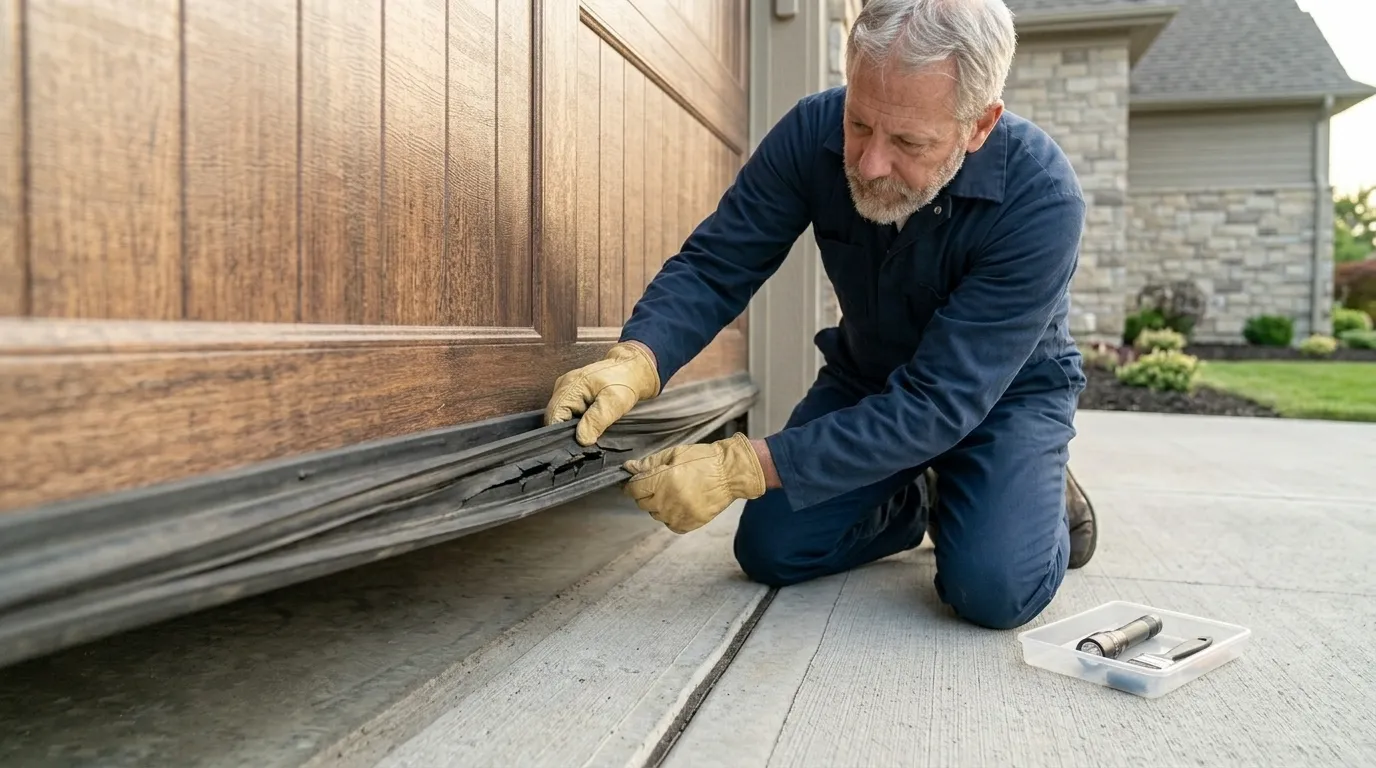
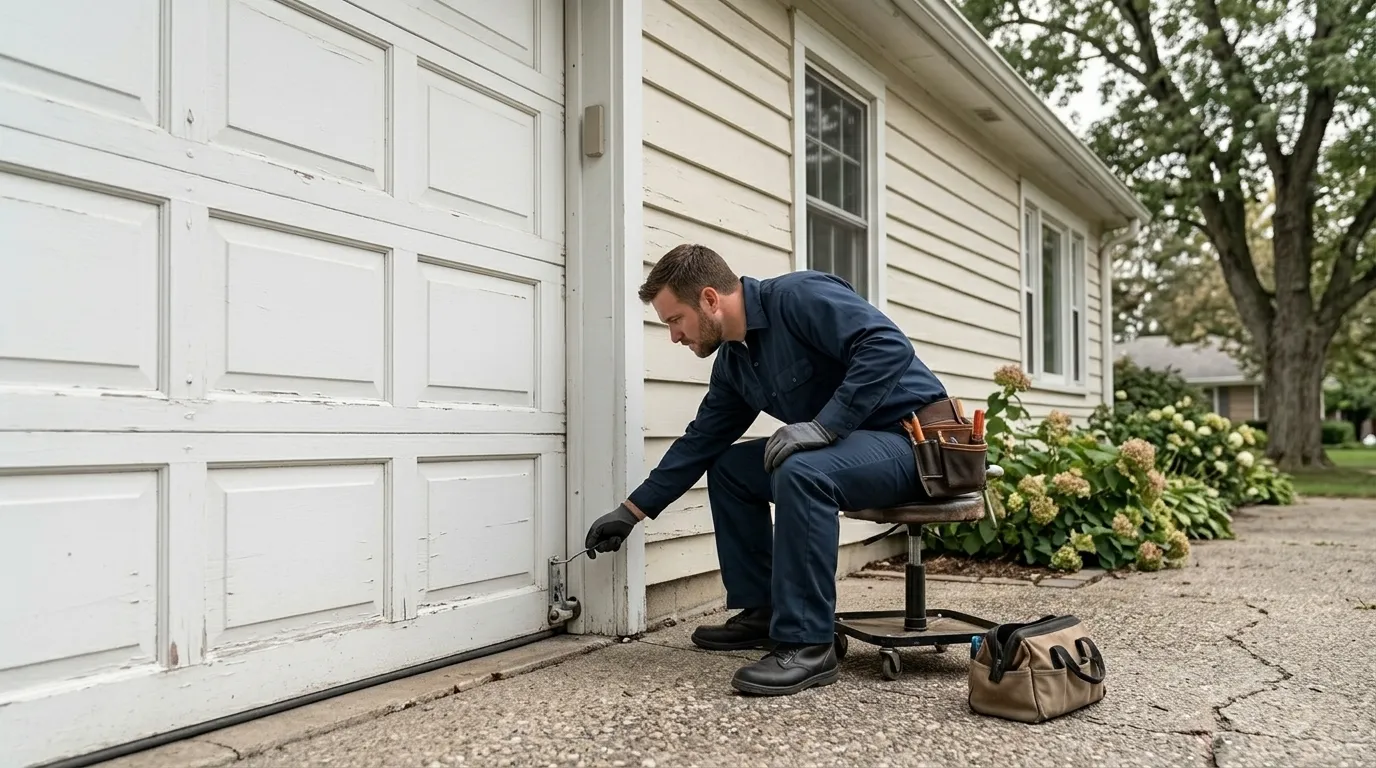
Cold hits hard here, and it's not a mild-winter climate band, it's severe. Older torsion springs, especially ones already fatigued from four decades of cycles, lose tension faster in hard cold and are more likely to snap on the coldest mornings. Nylon rollers from that era also crack in low temperatures instead of just getting stiff. If you're in one of Benjamin's original 1980s homes, winter is when the calls come in, and it's usually a spring or a roller, not the opener. We don't stock every obsolete part for every old System that shows up, and sometimes the lead time on a matching panel for a door this old runs longer than a same-week fix. That's the honest limit: some of these older doors need a part we have to order in, not one that's sitting on the truck.