How That Shows Up in the Door
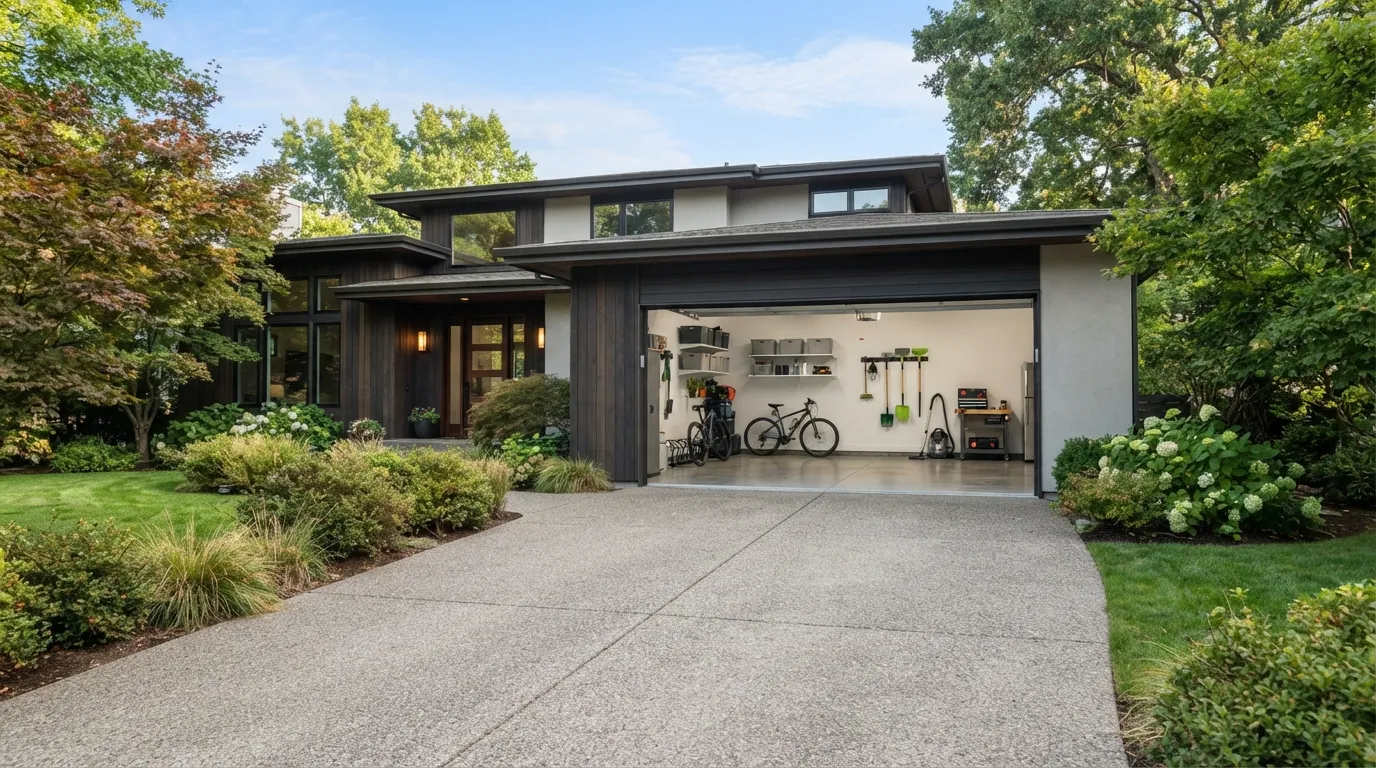
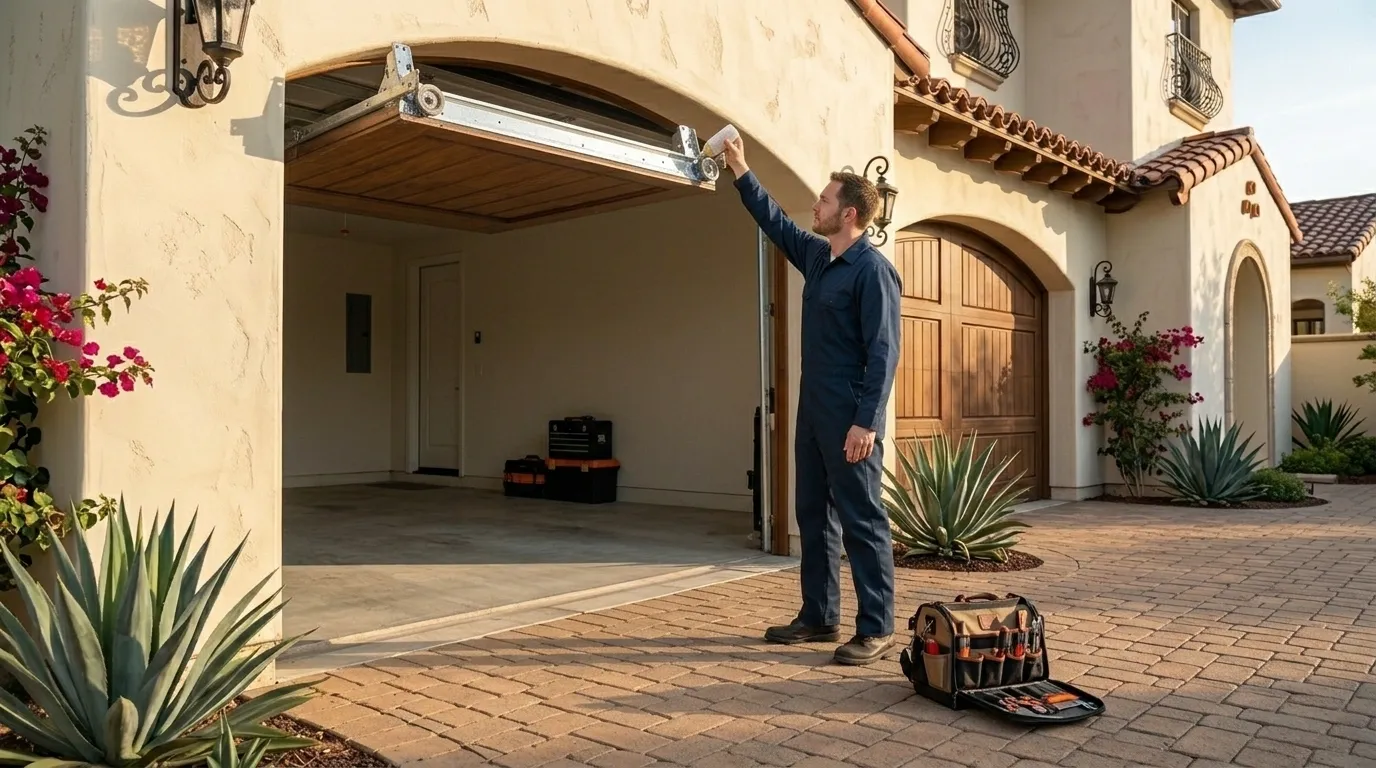
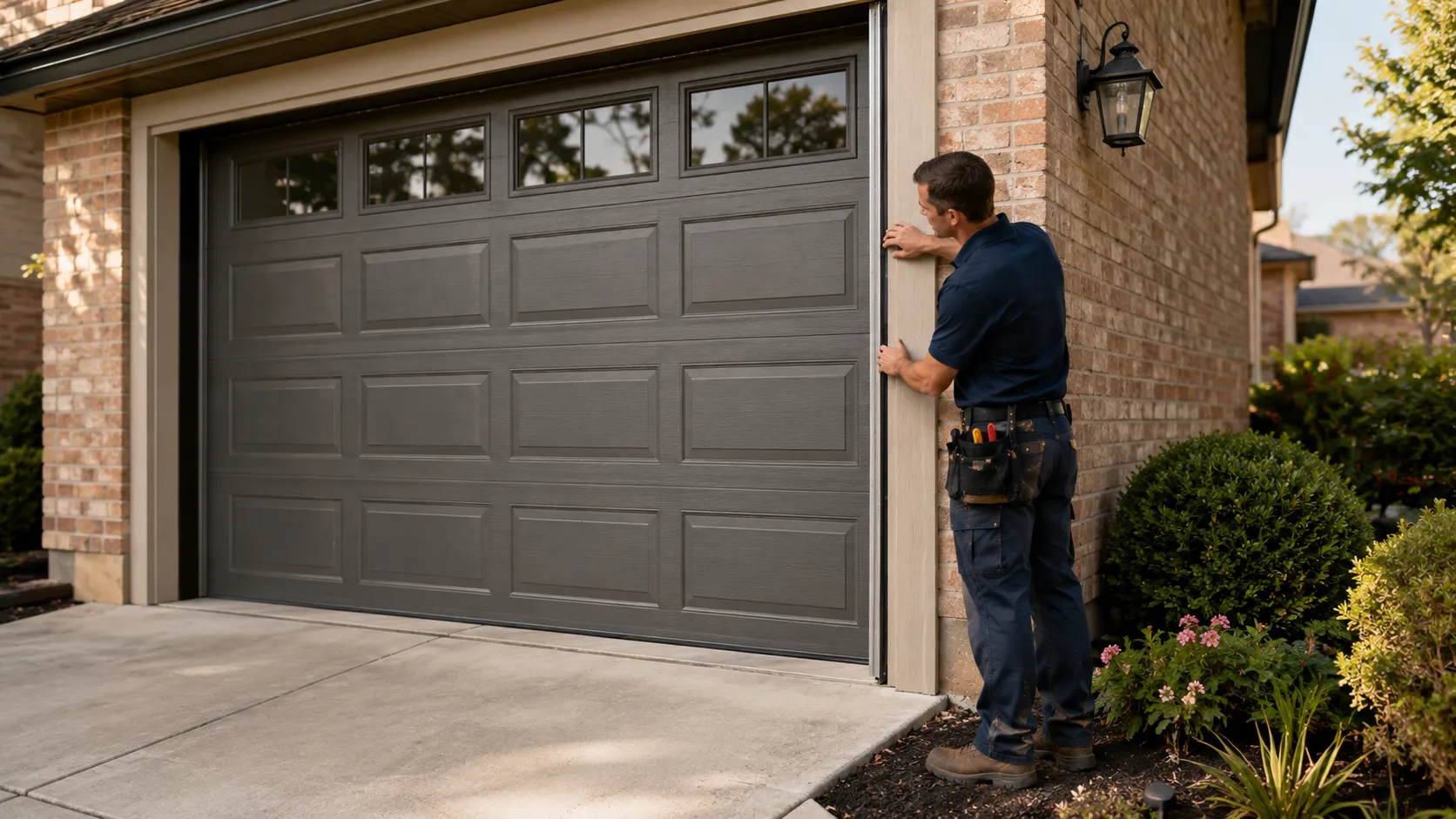
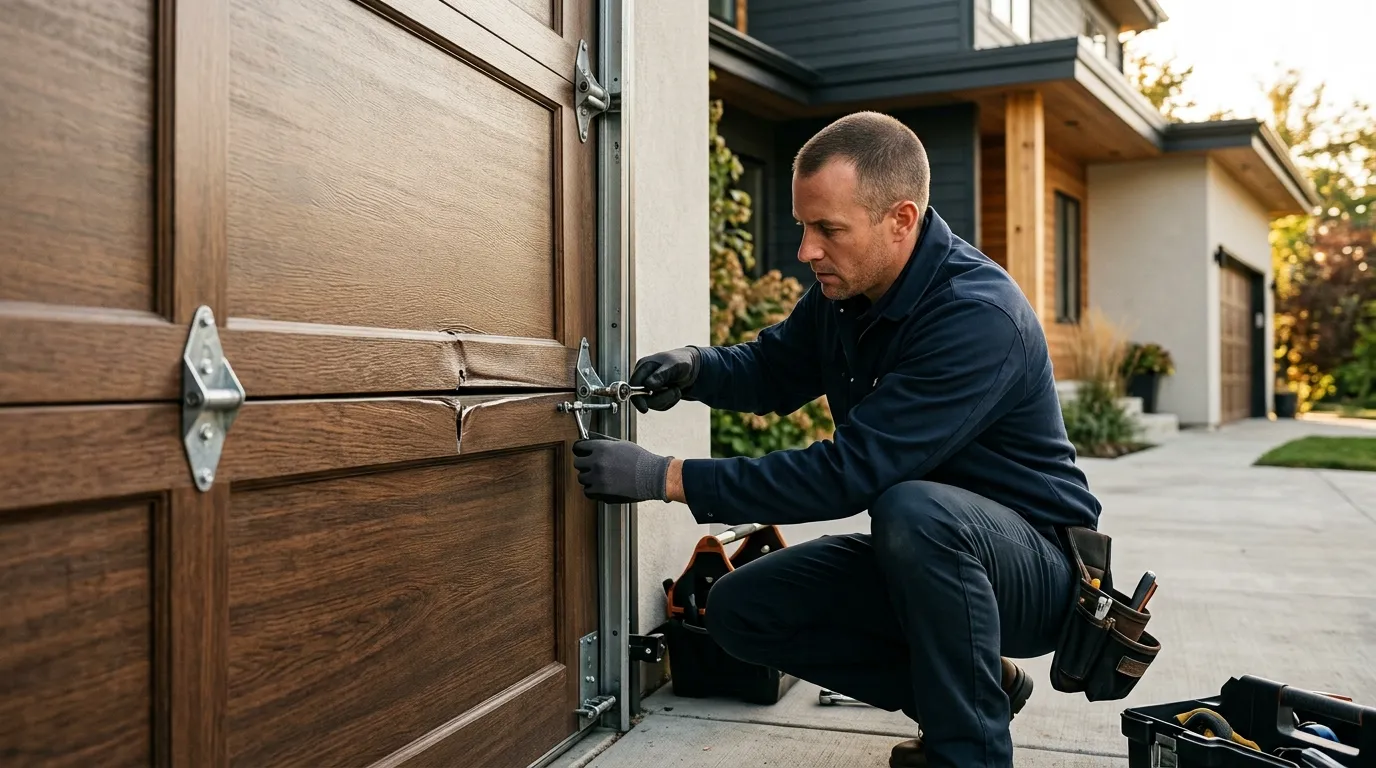
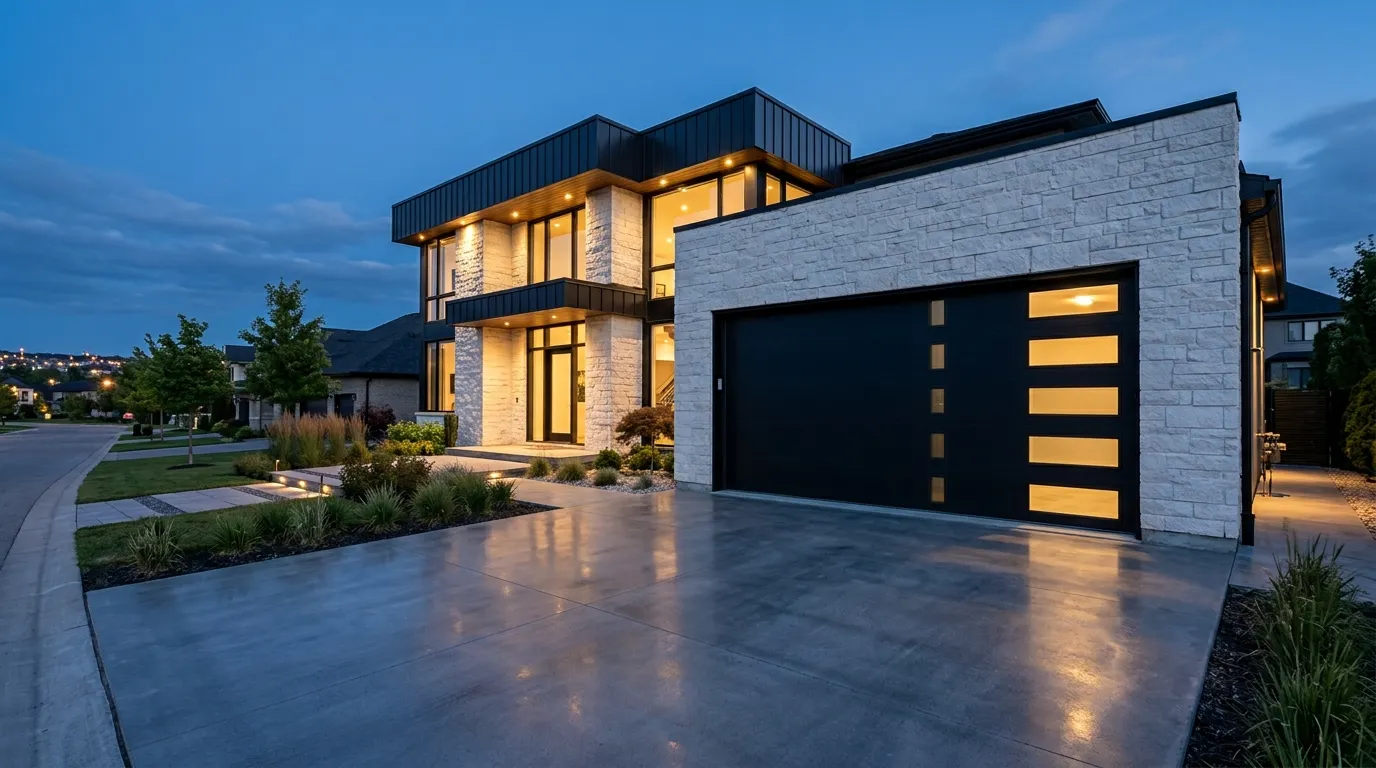
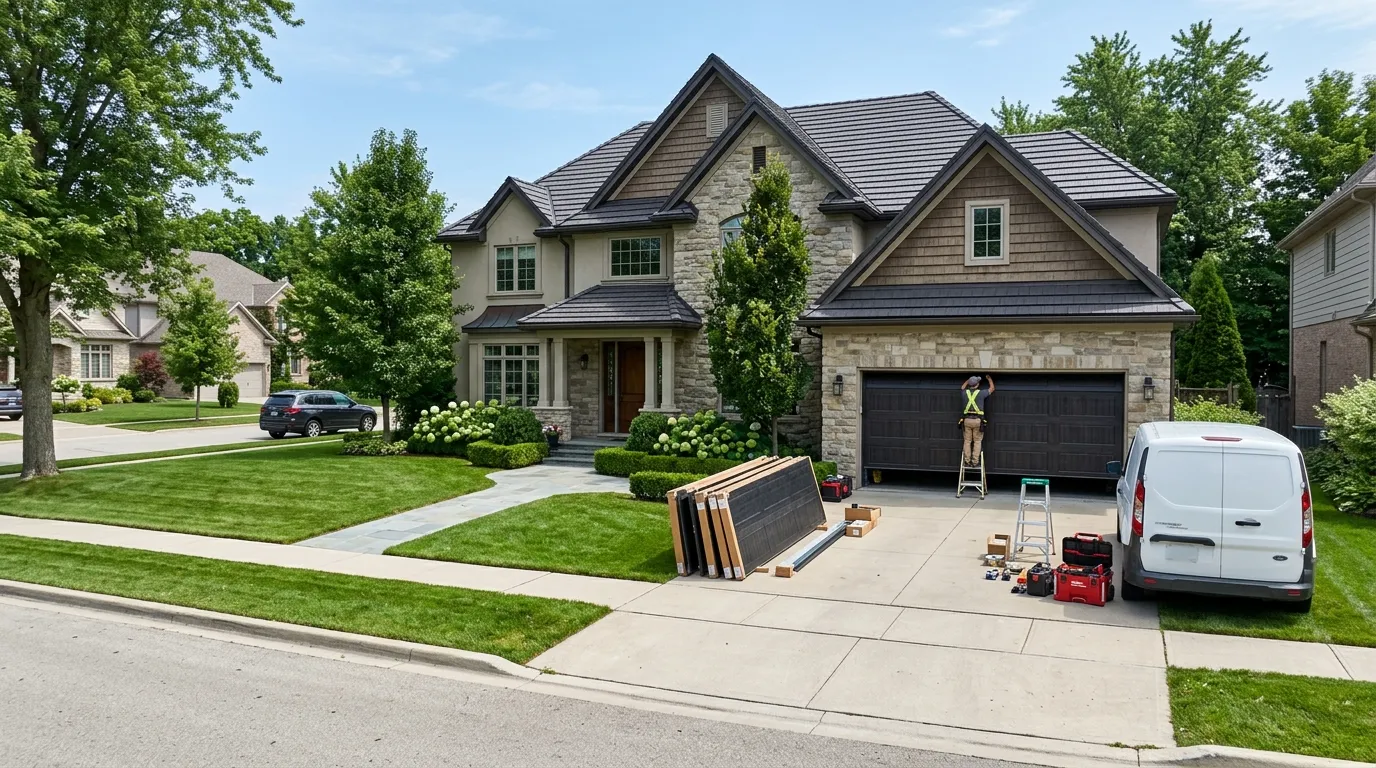
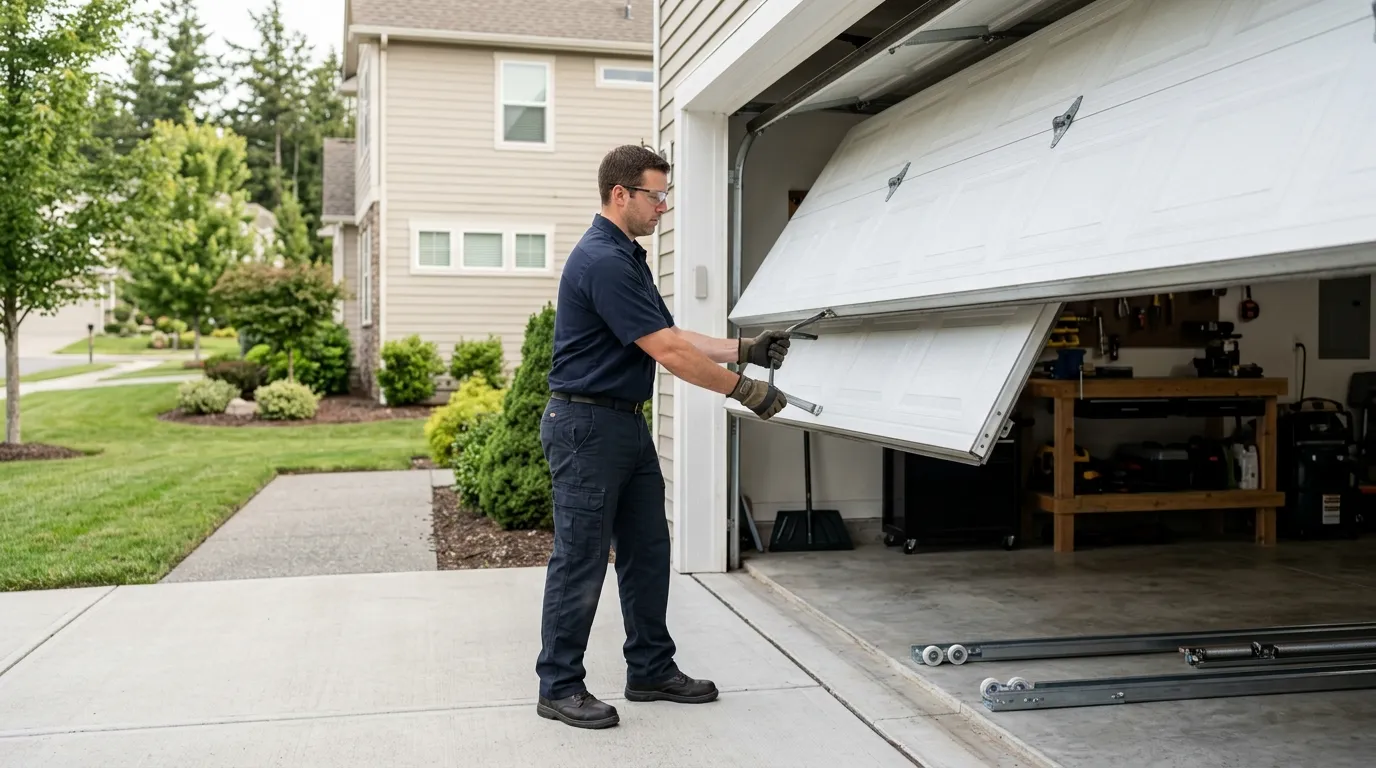
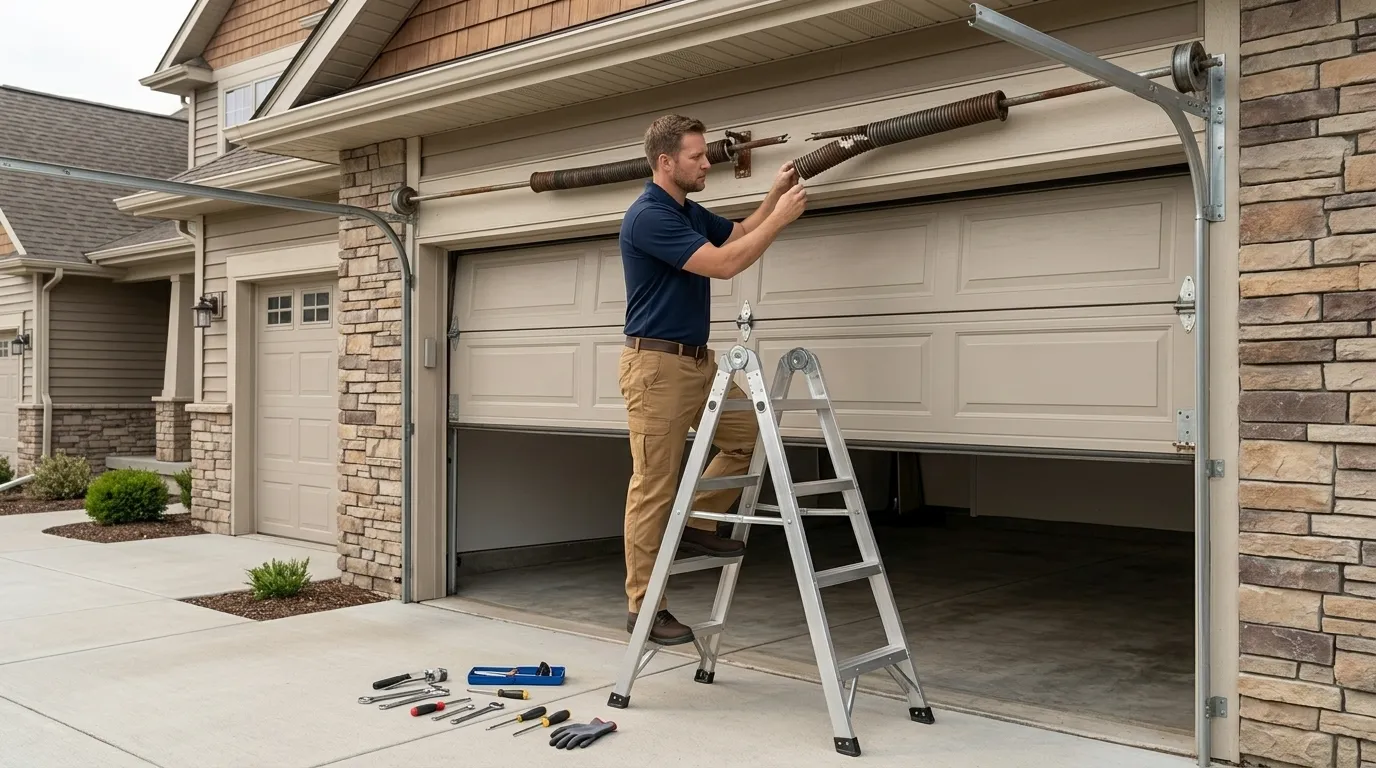
Across the broader service area, most housing dates to the 1980s and 90s, which means a lot of the doors we service are older wood-panel or early steel doors on hardware that's since been discontinued. Genola runs newer - its housing centers around 2000, roughly a decade past that broader wave. That gap matters at the door. A house built in 2000 almost certainly shipped with a factory steel sectional door on torsion springs rather than the older extension-spring setups or one-piece doors we see on the 1980s stock elsewhere. The failure points differ too: instead of hunting down obsolete track brackets, we're more often dealing with a torsion spring that's simply worn out its cycle count, or an opener drive gear that's aged out after two decades of use. It's a more standardized platform to work on, which usually means parts are easier to source and repairs go faster - one of the few places where a newer build year actually simplifies the job instead of complicating it.
Timing on This Area
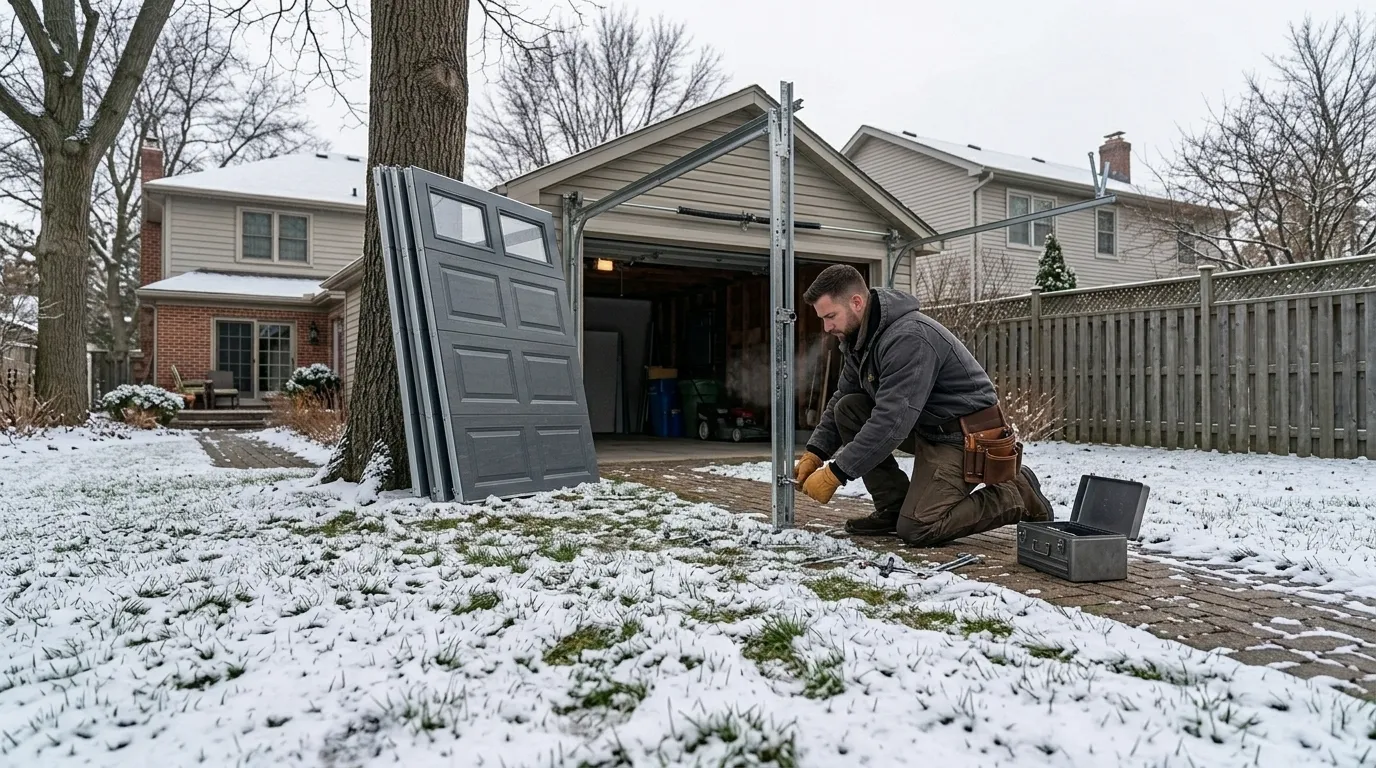
The region sits in a cold-climate band with real winter severity, and that doesn't change block to block - a torsion spring in Genola faces the same overnight cold as one across the rest of the service area. Cold-hardened steel gets brittle, and a spring nearing the end of its cycle count is more likely to snap on a frigid morning than a mild one. With only 424 households in Genola itself, compared to nearly 50,000 across the full service area, this isn't a place we're rolling through daily - so timing calls around the first hard cold snap of the season, rather than waiting for a failure, is worth doing here more than most places. We don't stage extra spring inventory locally, so if you're planning ahead of winter, a call a few weeks out beats one the morning after a snap.