
How That Shows Up in the Door
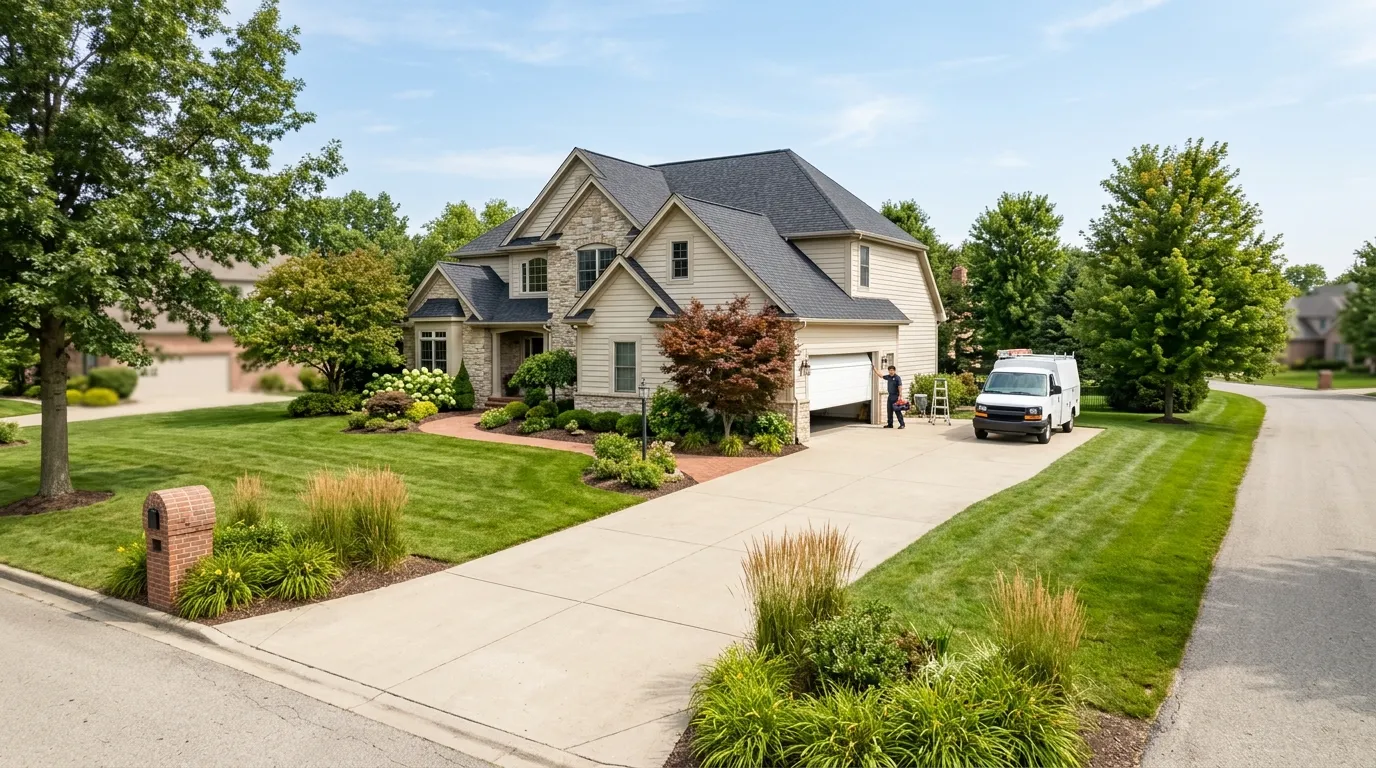
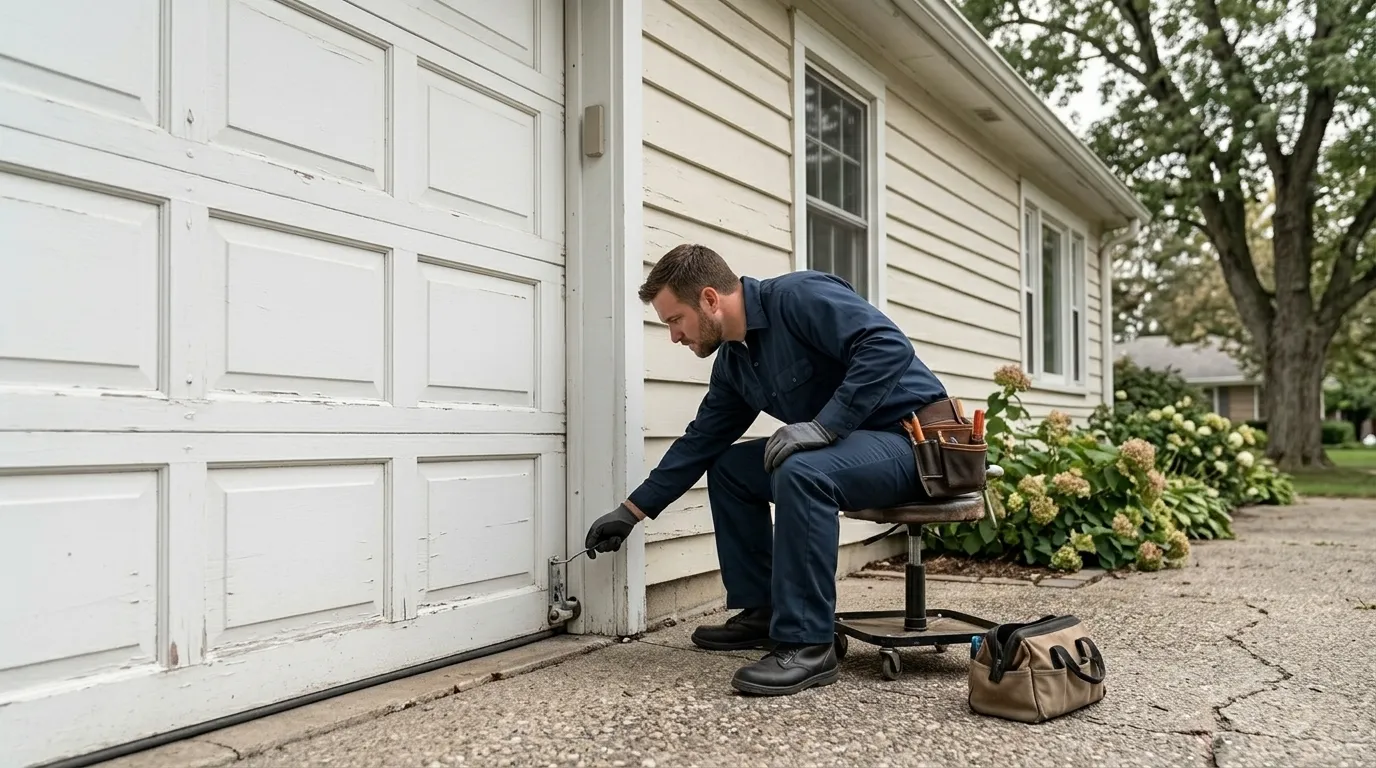
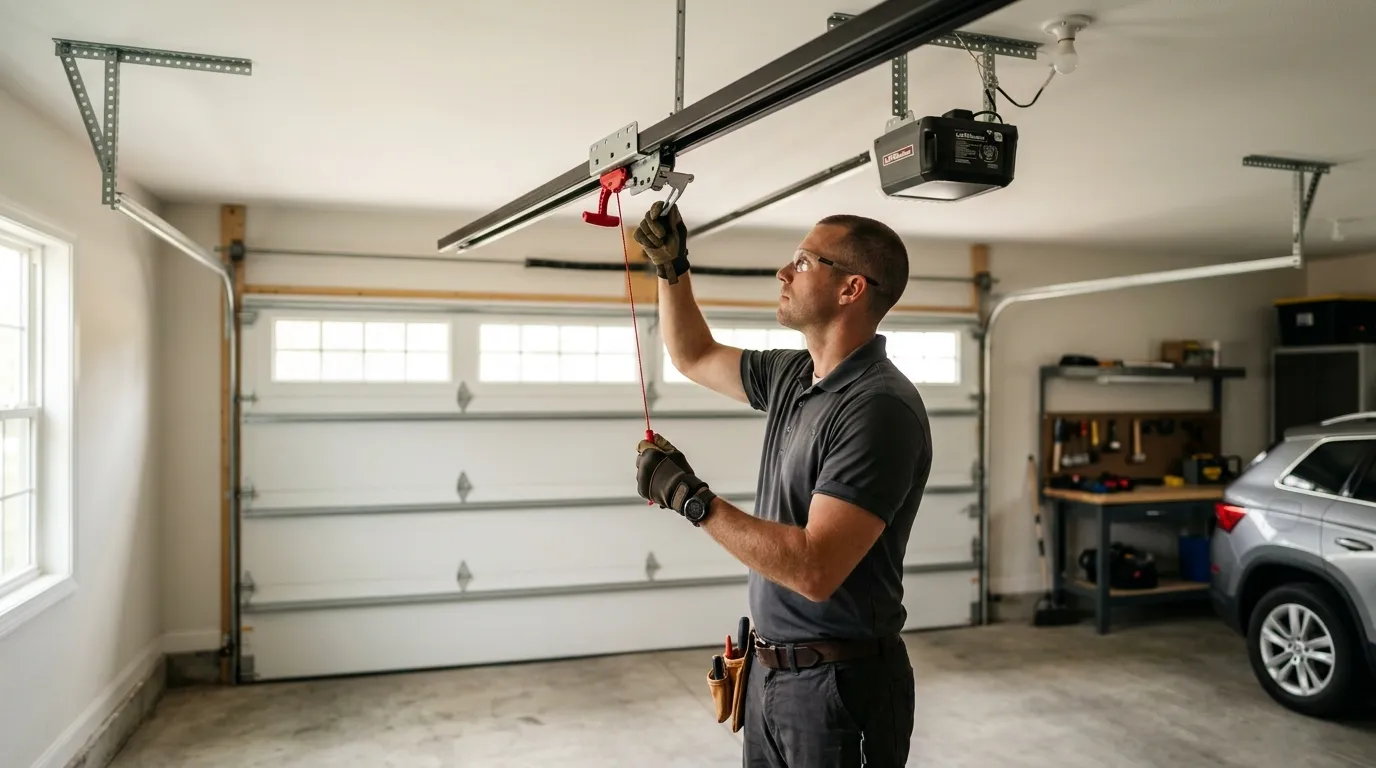
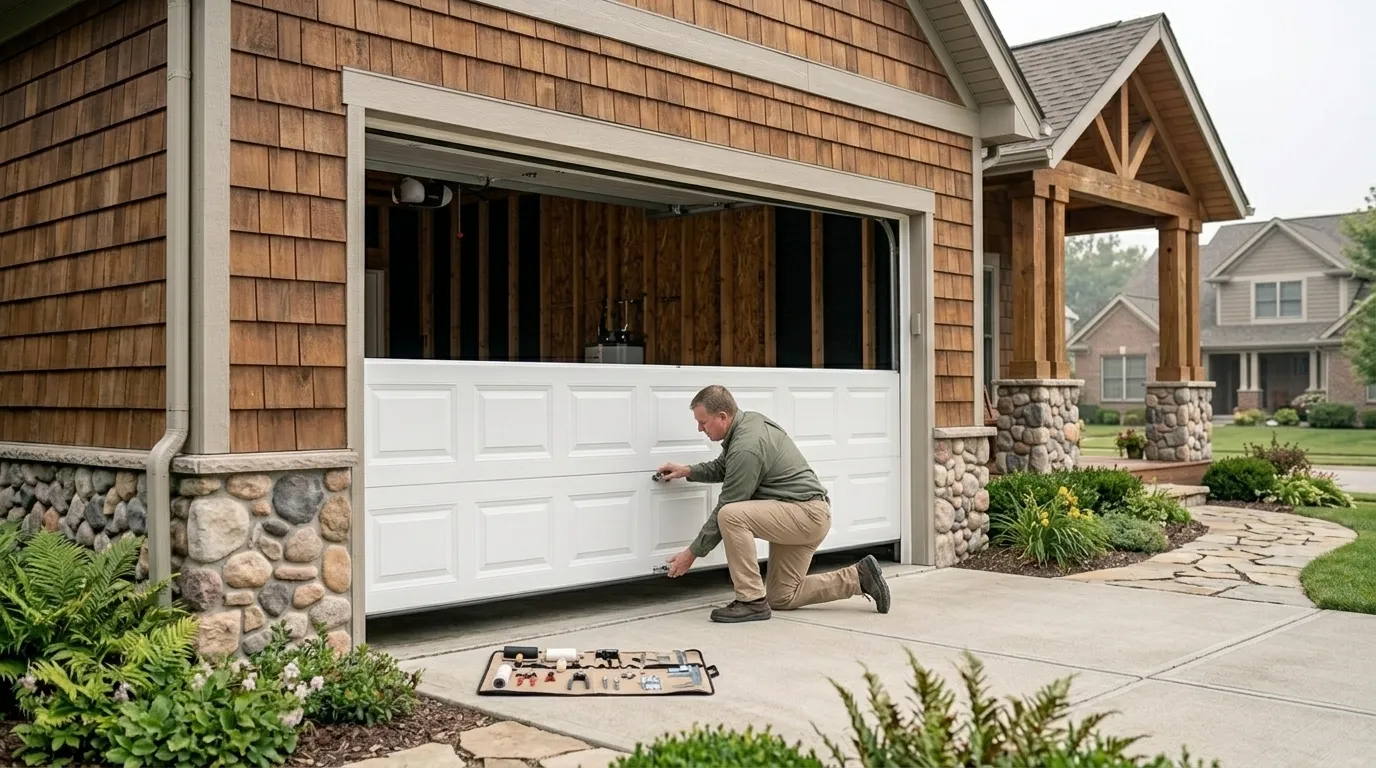
Vineyard is one of the newest builds in our whole coverage area - median year built here is 2015, versus 1998 across the wider service territory. That matters more than it sounds like. A door installed in 2015 or later almost always came with a steel torsion spring system on standard 2-inch shaft, a belt or screw-drive opener with rolling code security, and factory-set travel limits rather than the mechanical limit switches you'd find on an older opener.
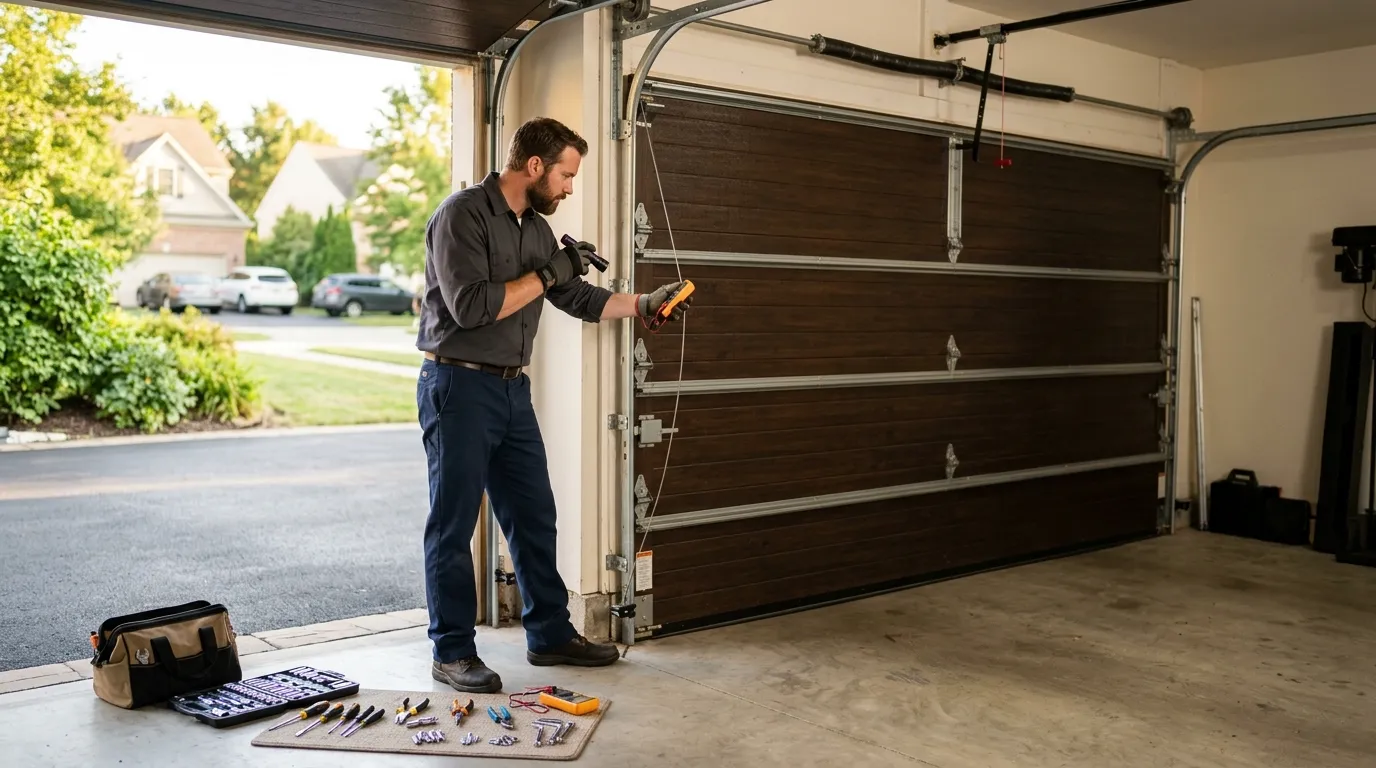
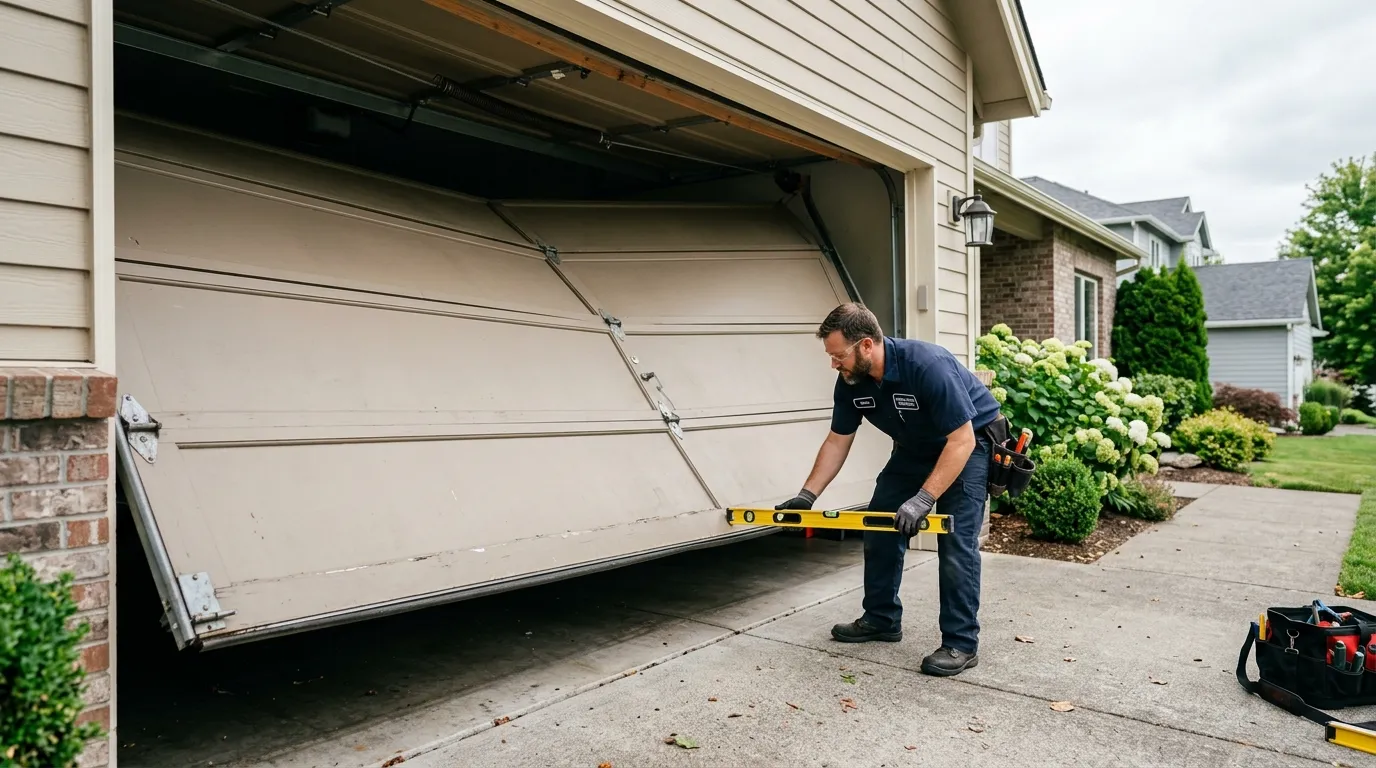
The failures we see out here skew toward different things than the failures we see on 1980s stock elsewhere in the area. Fewer stripped gears on ancient chain-drive openers, fewer doors with mismatched aftermarket springs from a decade of patch repairs. What we do see: opener logic boards and safety sensor issues on doors still inside their first real service window, and cable or roller wear that shows up early because these houses get used hard - two-car households running the door multiple times a day since day one. If your door is acting up and it's a 2015-or-newer build, we're usually looking at the opener or the sensor alignment before we're looking at springs.
Timing on This Area
Spanish Fork's whole service territory sits in a cold, severe winter climate zone, and Vineyard doesn't get a pass on that just because the houses are newer. Cold snaps stiffen springs and thicken opener grease the same way here as anywhere else in the area - the difference is that newer torsion springs and factory lubrication on 2015-and-later doors tend to hold up better through the first real cold season or two than 30-year-old hardware does.
Where timing gets tight is scheduling around the drive. Fifteen miles each way means we're not going to be the fastest same-day call in the territory, and we won't tell you otherwise. If a spring lets go on a Tuesday morning, we'll get you on the board, but plan on us calling ahead with a realistic window rather than an