How That Shows Up in the Door
The median home in Palmyra was built around 1977, which puts it a full generation ahead of the newer construction you'll find elsewhere in the wider service area, where homes built between 1975 and 2015 push the overall median up to 1998. That gap isn't trivia - it's the difference between a door and opener system designed for today's safety standards and one that's been retrofitted, patched, or partially replaced two or three times over.
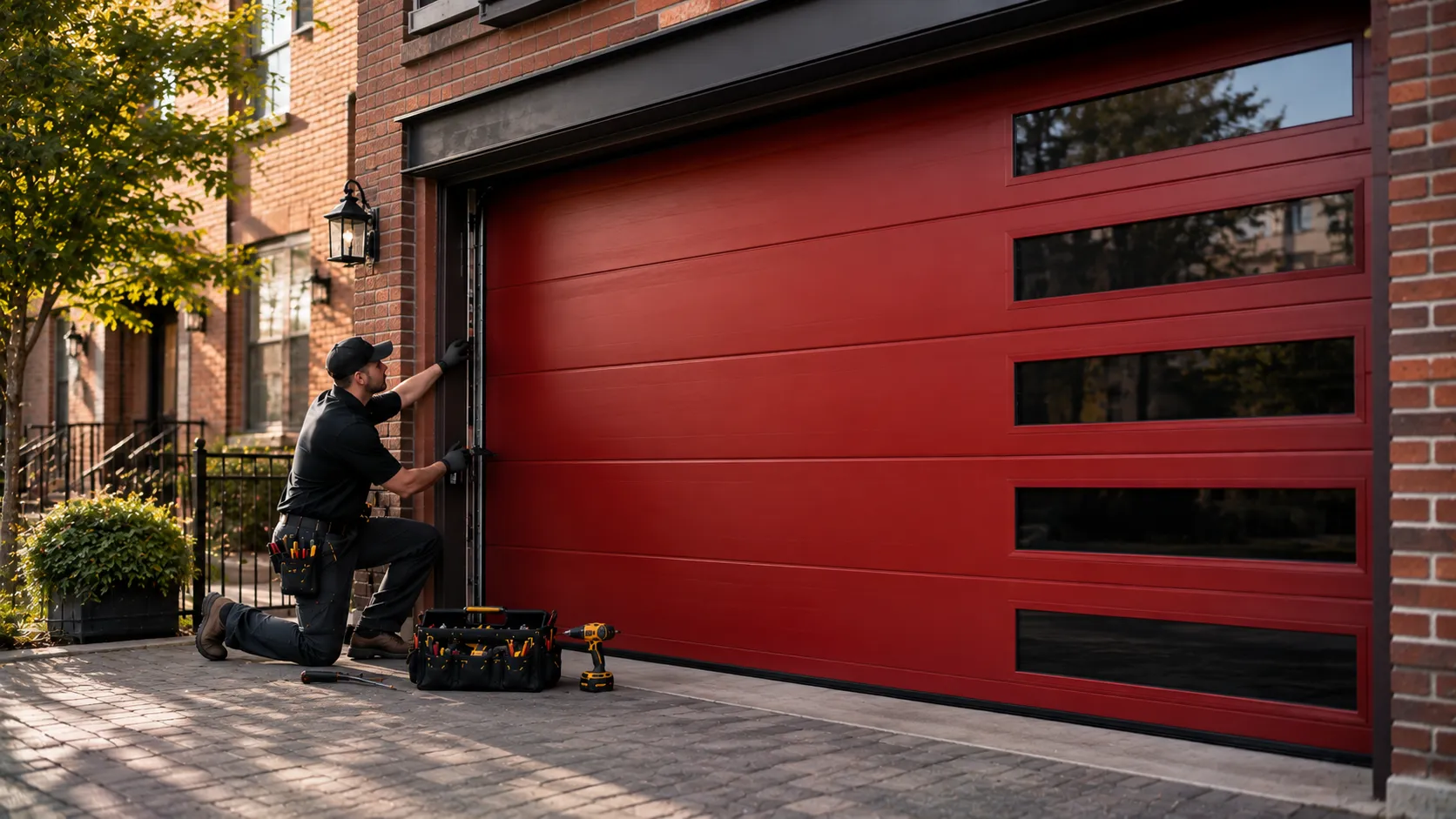
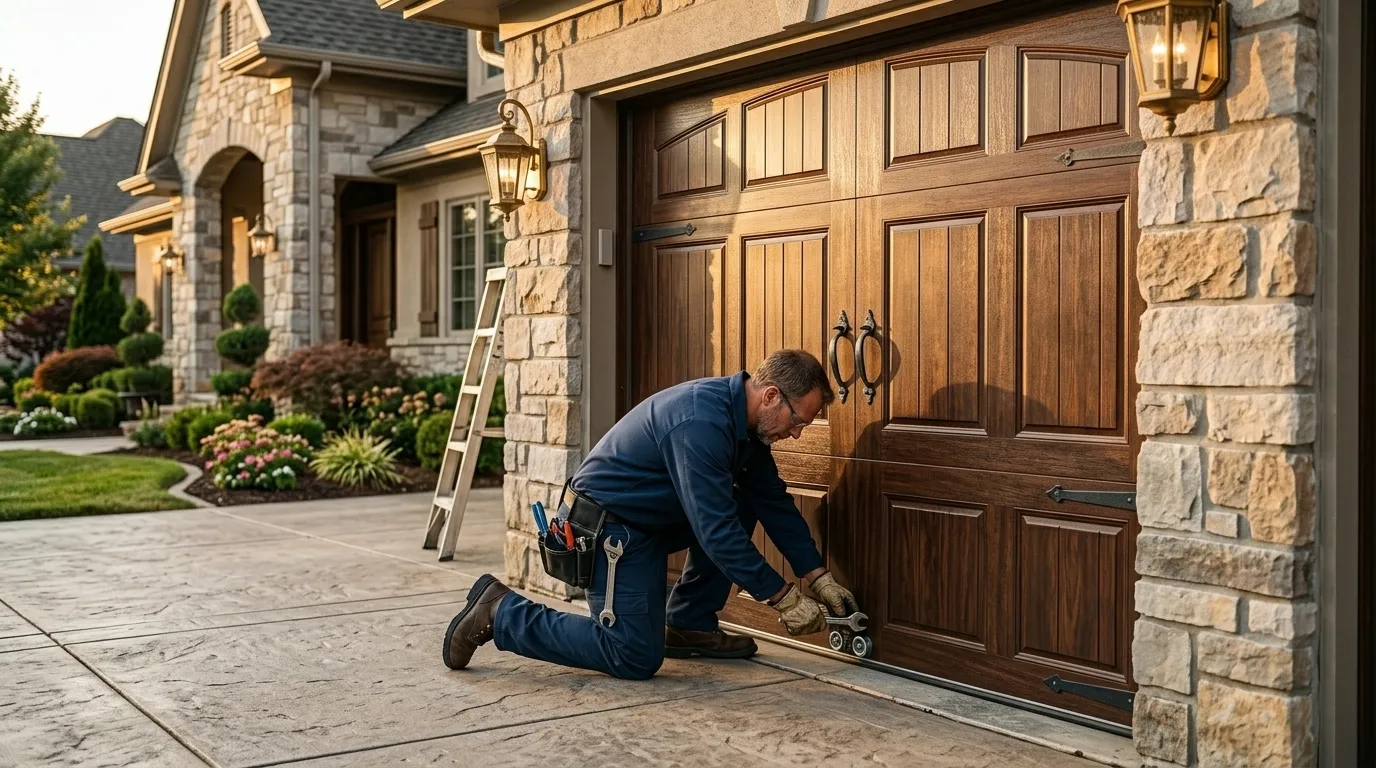
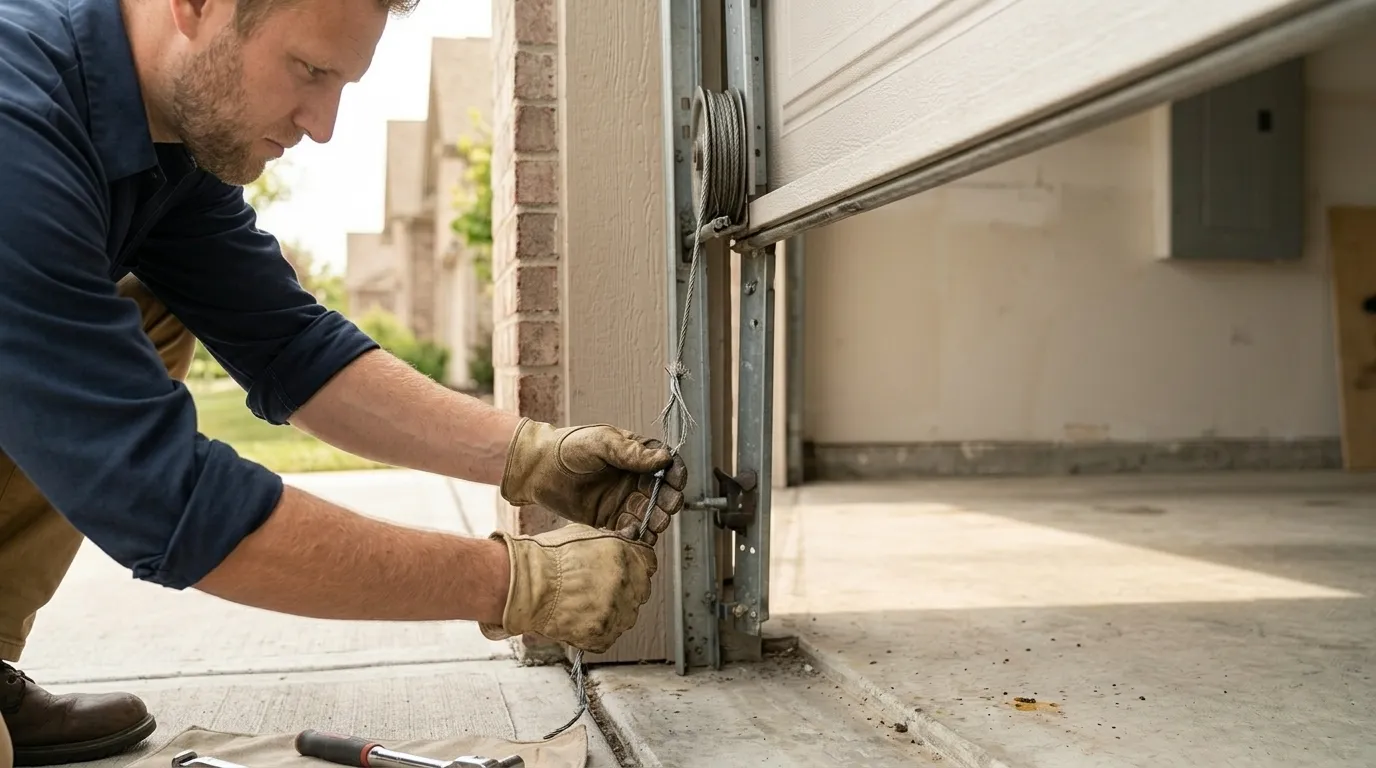
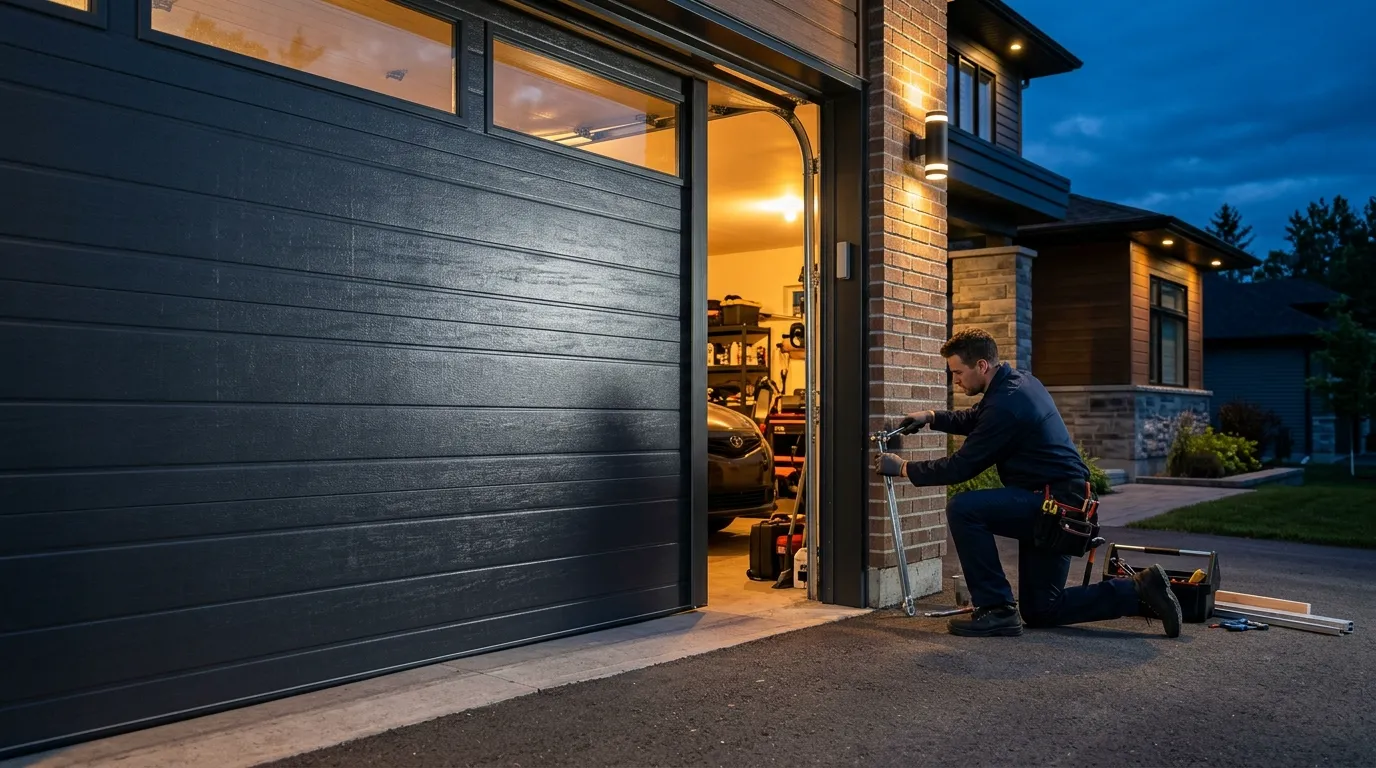
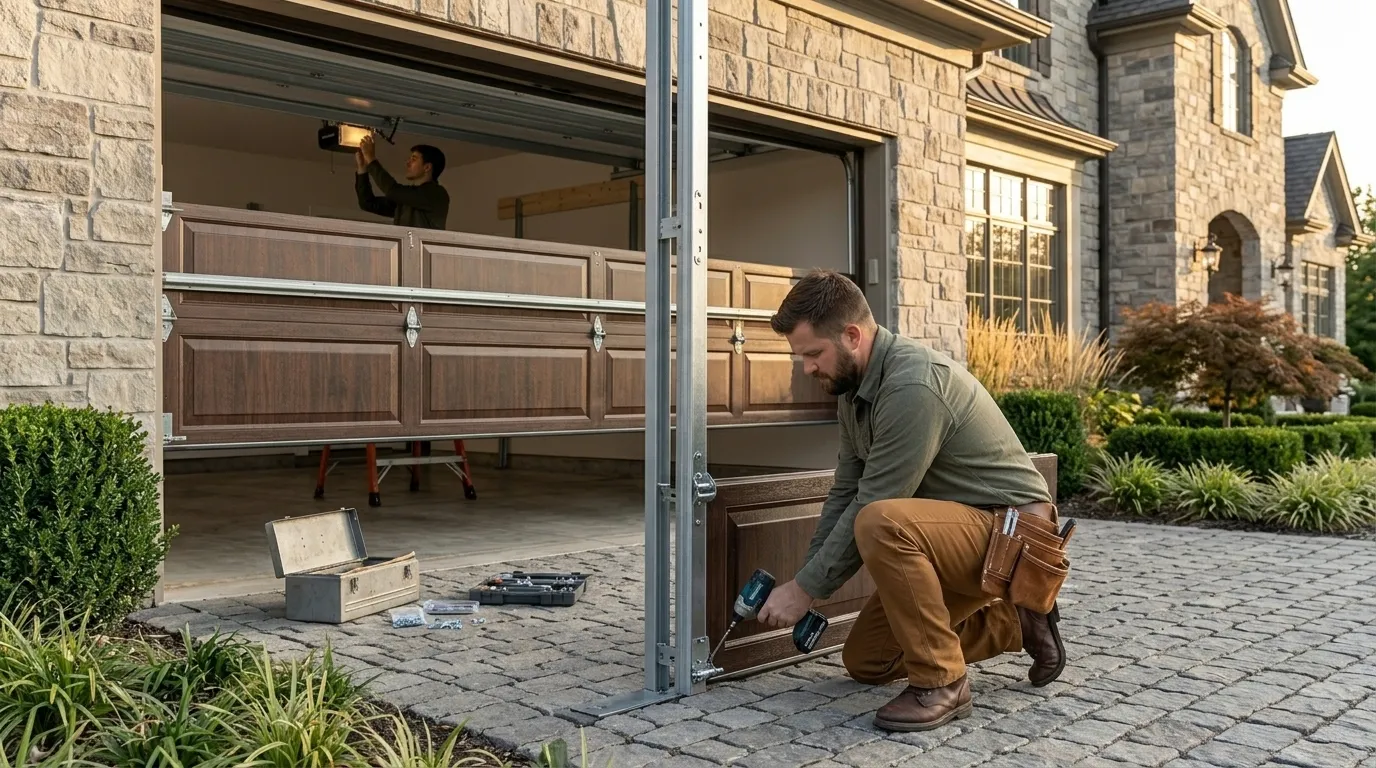
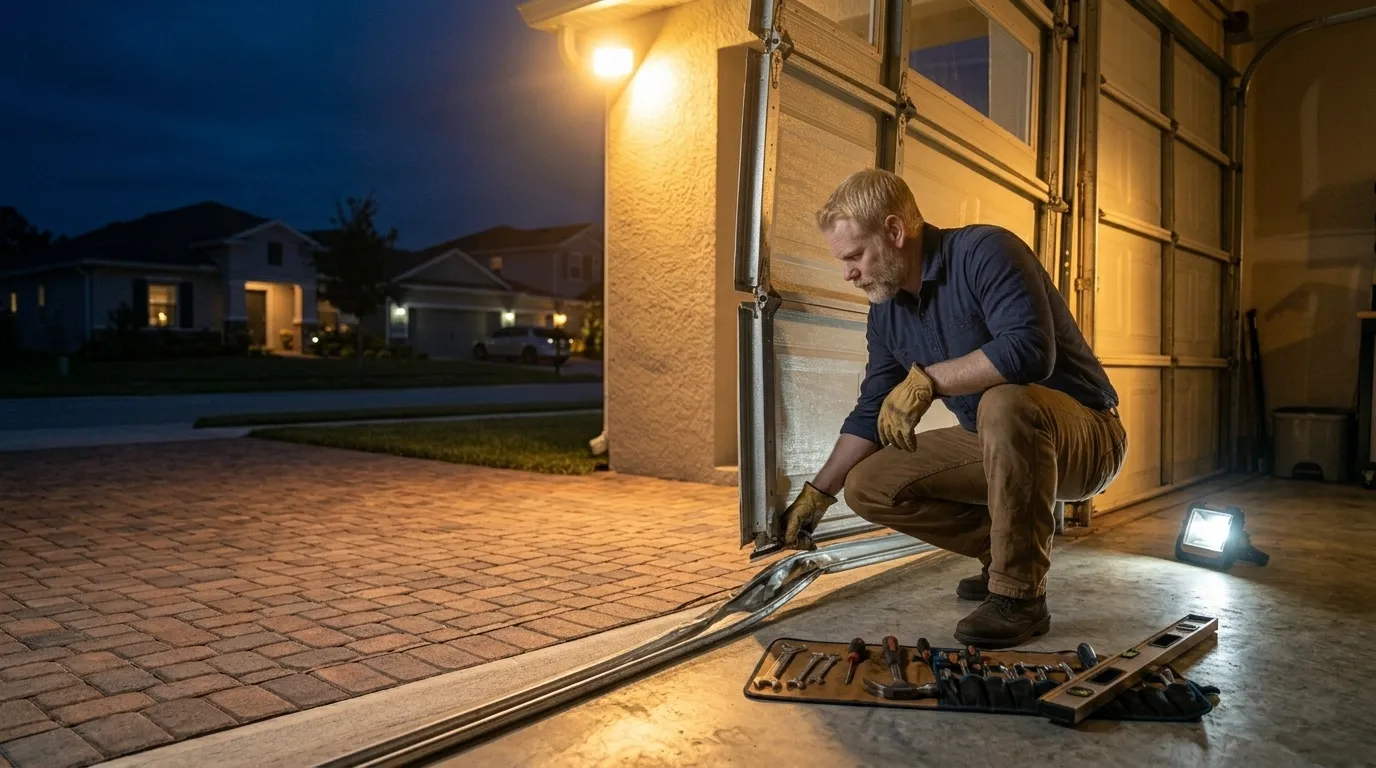
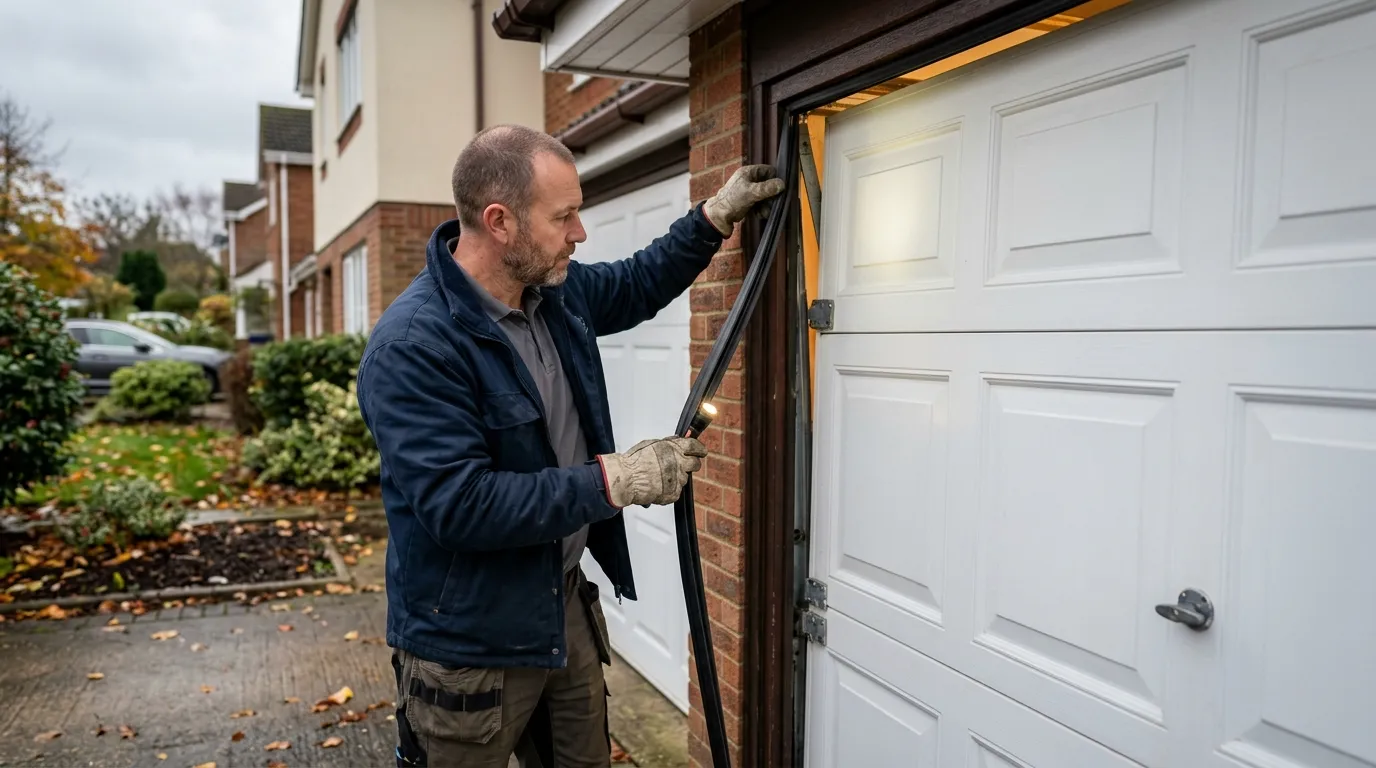
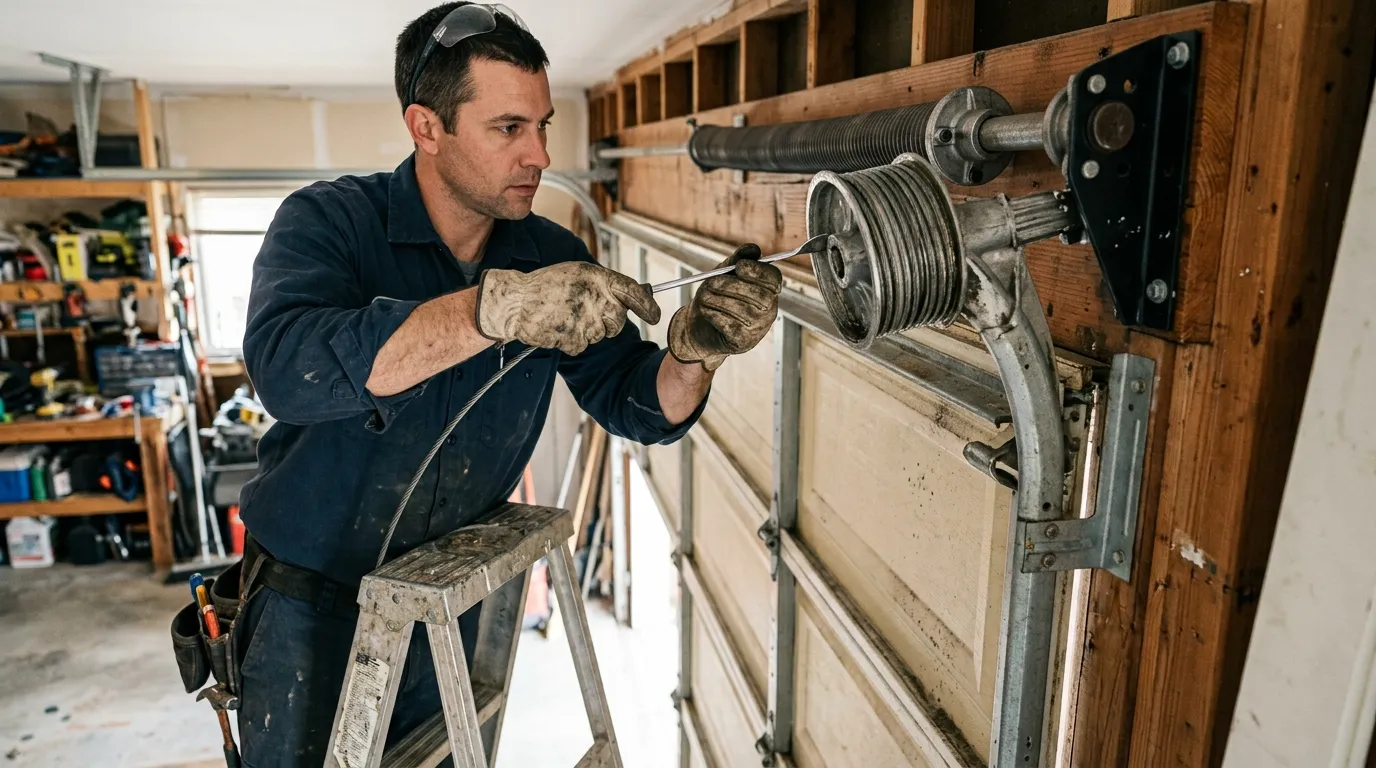
A door from 1977 was almost certainly installed before dual torsion springs and modern photo-eye sensors were standard. If the opener has been swapped since, it's likely bolted onto original track and hinges that were never sized for it. We see this a lot: a newer opener straining against an old door, or a spring that's been replaced with the wrong wind because nobody matched it to the original door weight. It's not a Palmyra-specific defect, it's a Palmyra-specific age problem, and it means diagnosis here often starts by figuring out which parts are original and which were swapped in later, sometimes badly.
Timing on This Area
With around 122 households in Palmyra, this isn't a high-call-volume area for us, but the calls that do come in tend to cluster by season more than by street. The service area sits in a cold, severe winter climate band, and cold is what finds the weak point in a 1977-era door faster than anything else. Steel contracts, old grease in a torsion spring stiffens up, and a spring that had another five years left in a mild climate can snap in a hard cold spell here.
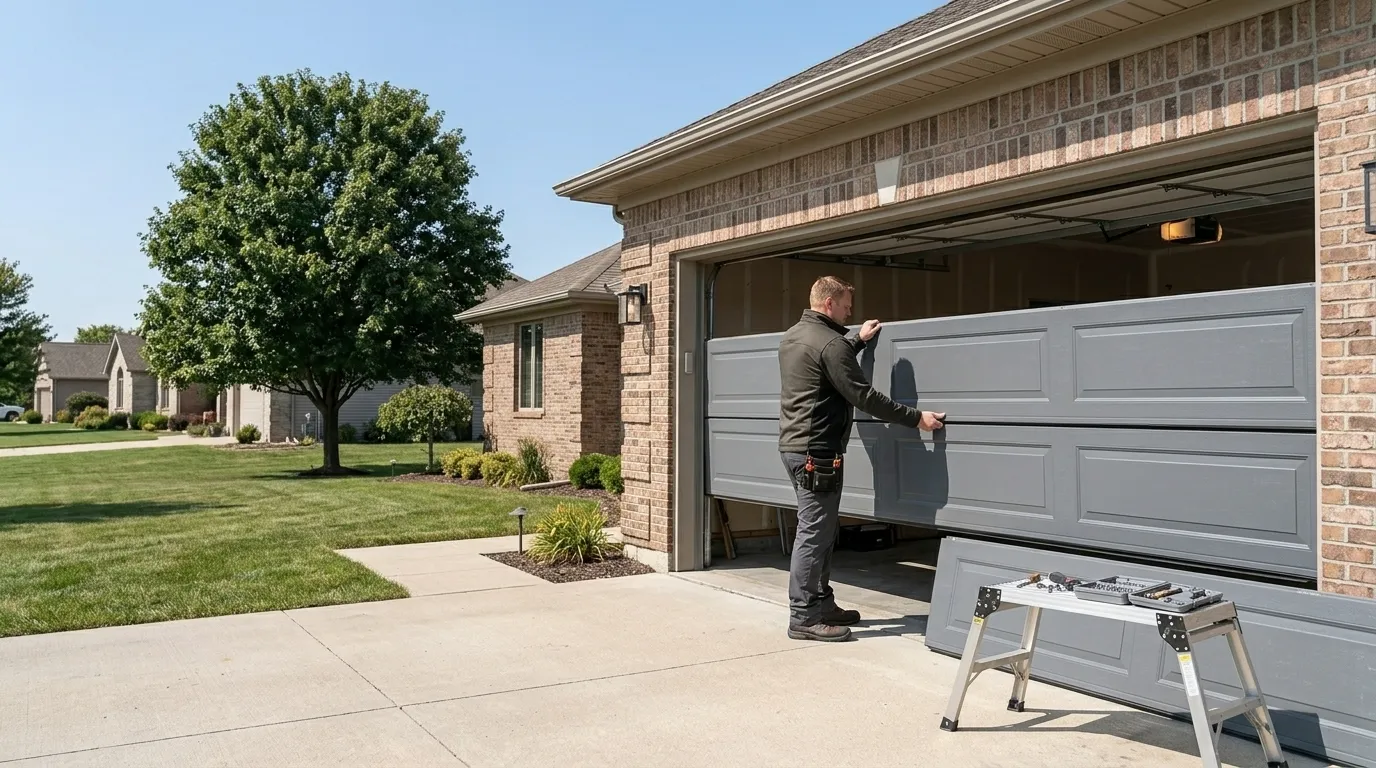
We don't schedule Palmyra differently than the rest of our coverage area - there's no separate crew or dedicated day - but when a call comes in from a home built in the late '70s, we go in expecting original hardware until we see otherwise. That changes what's on the truck and how long we budget for the job, because pulling a 45-year-old track bracket loose without damaging surrounding trim takes more care than a straight swap on a ten-year-old door.