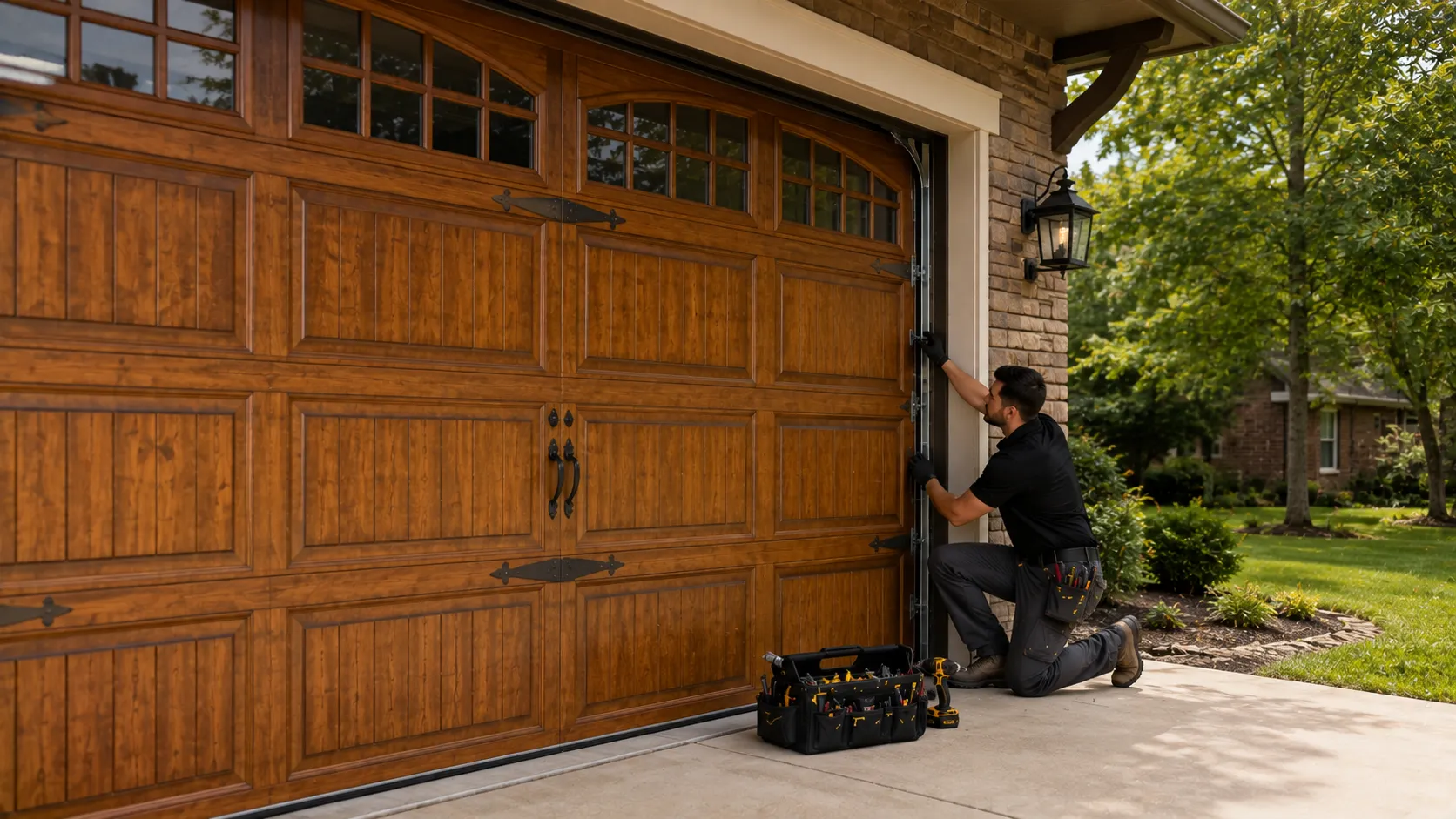
Who You Are Dealing With
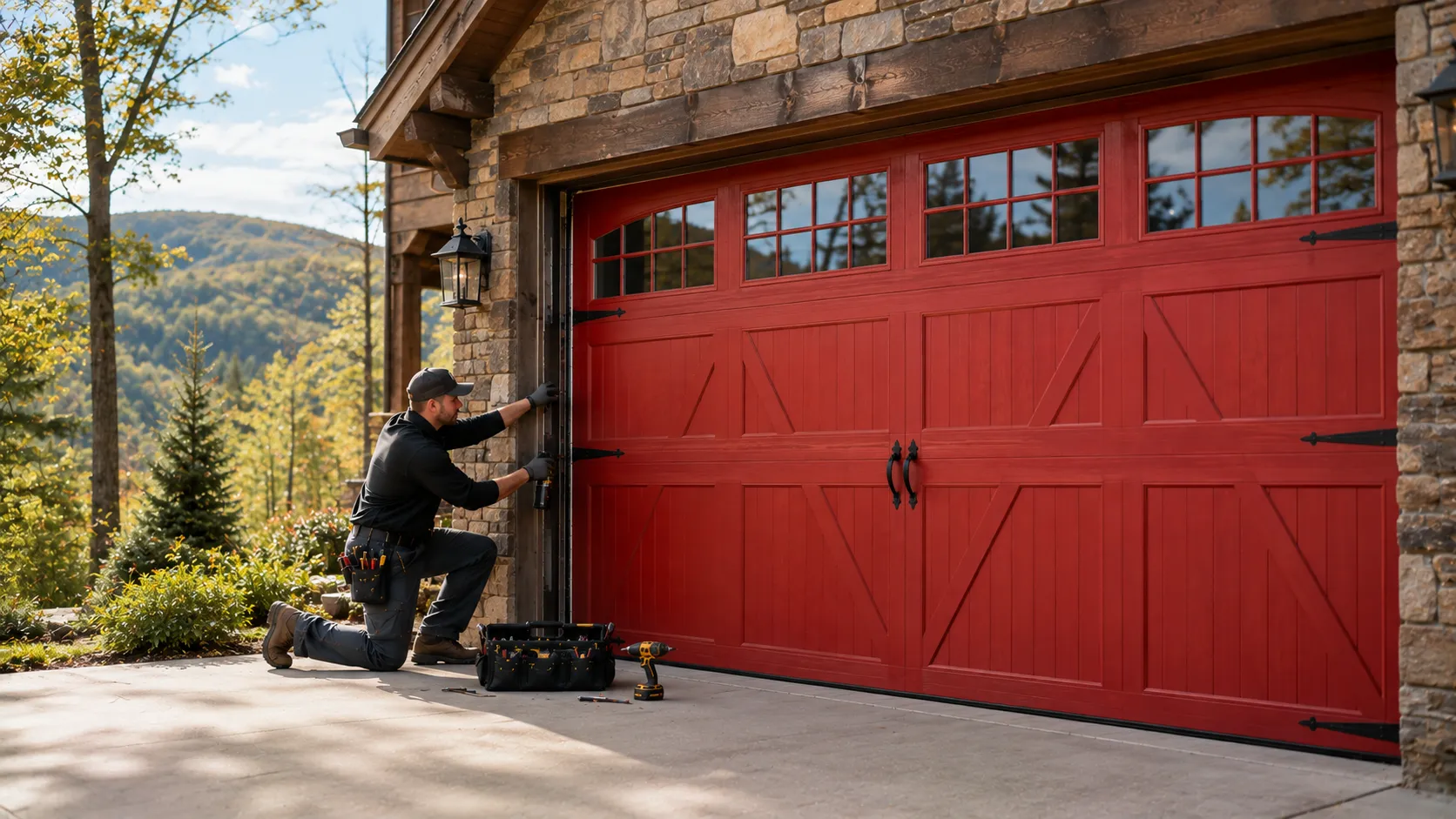
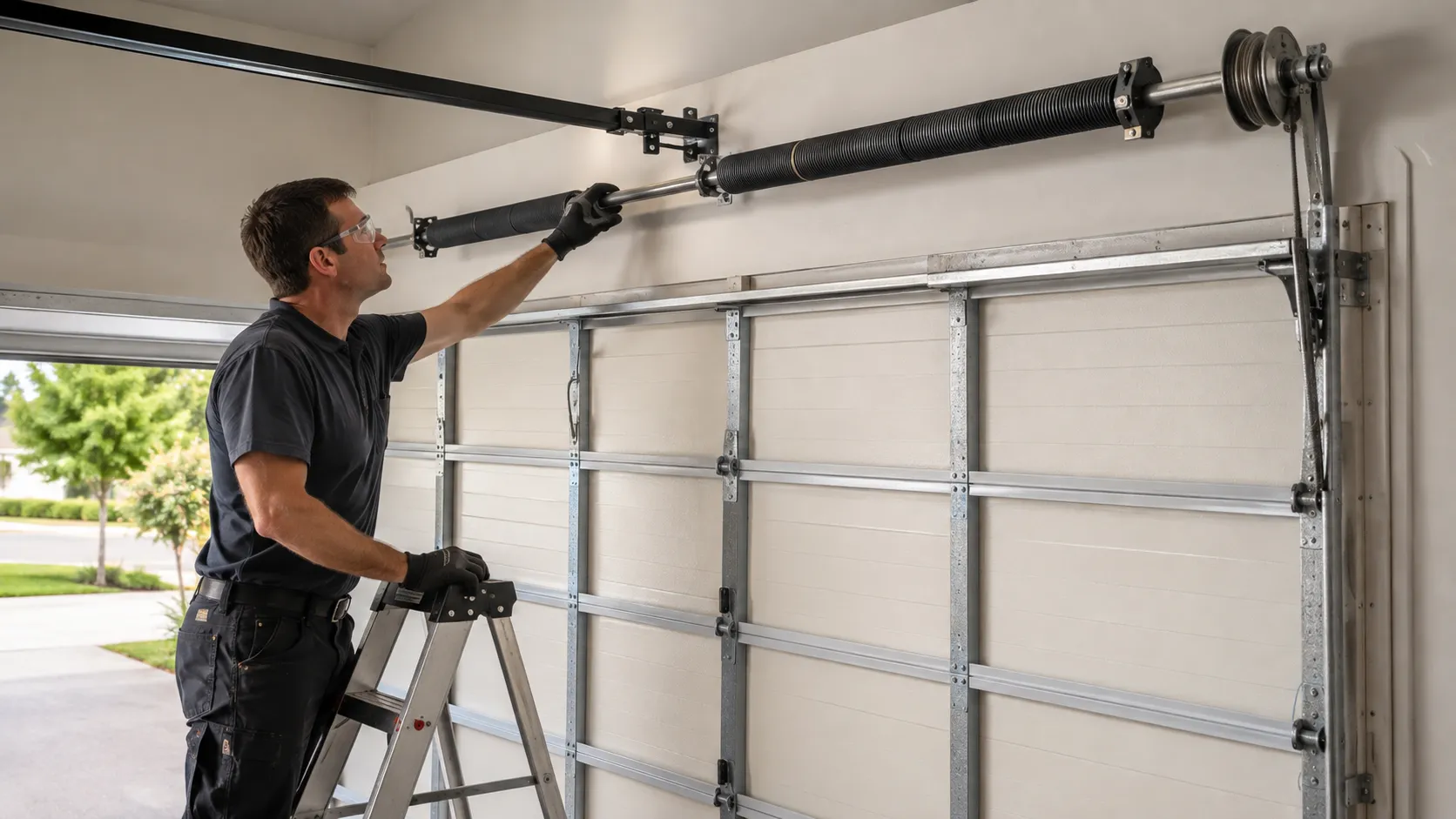
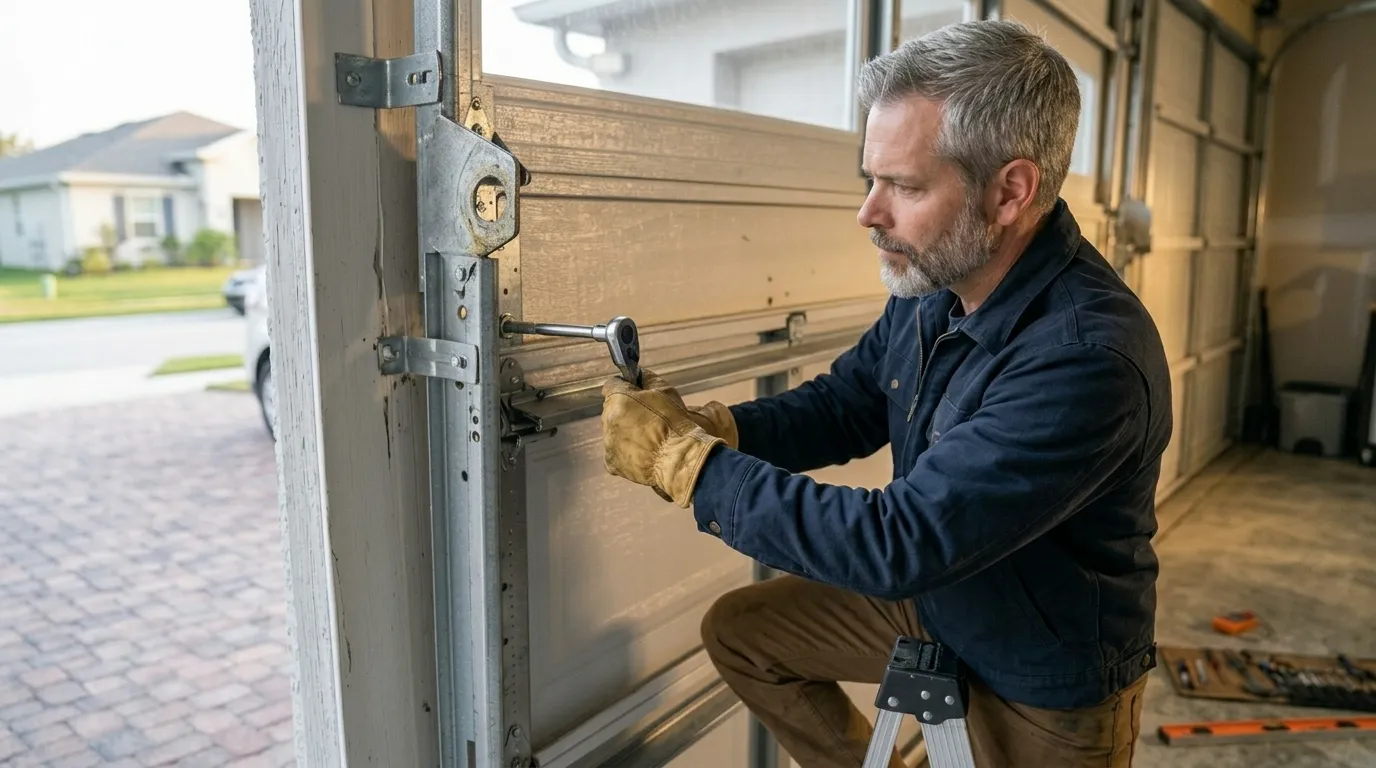
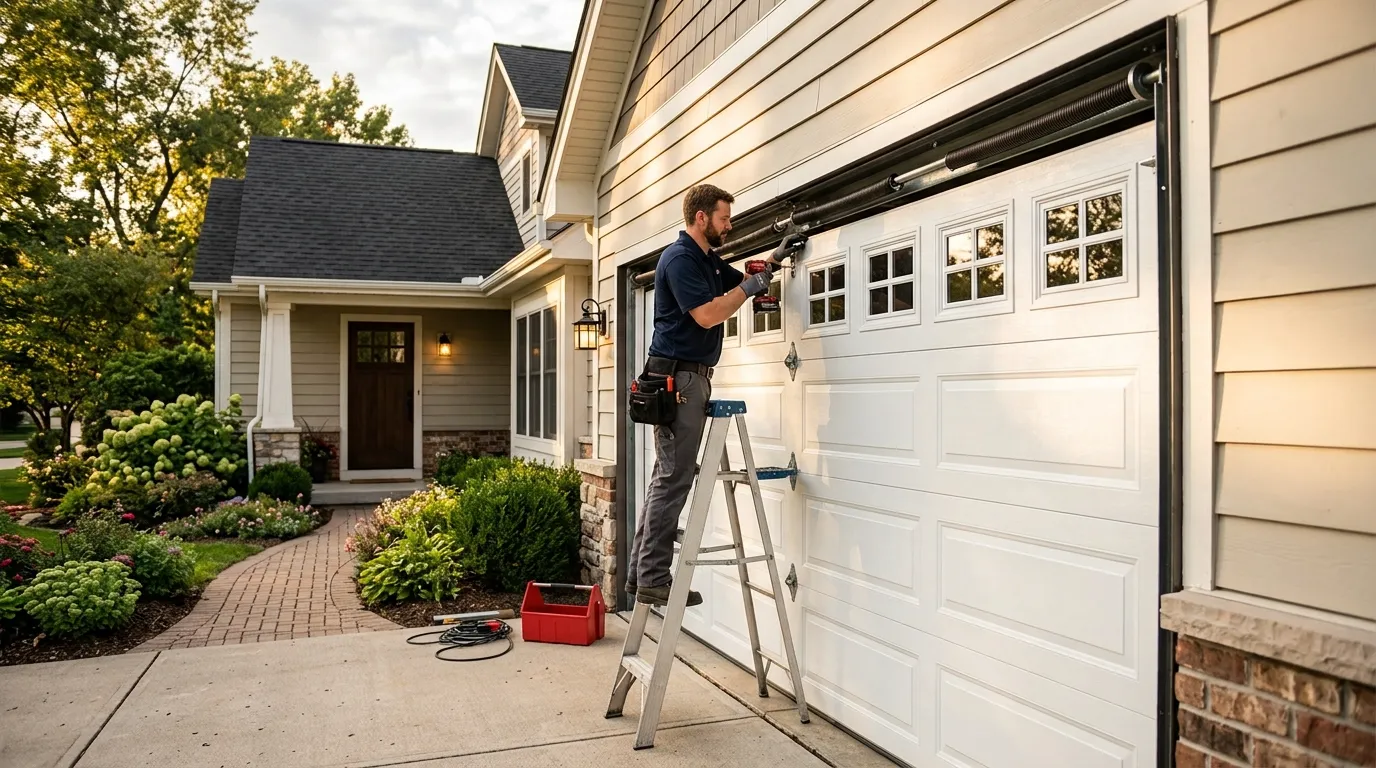
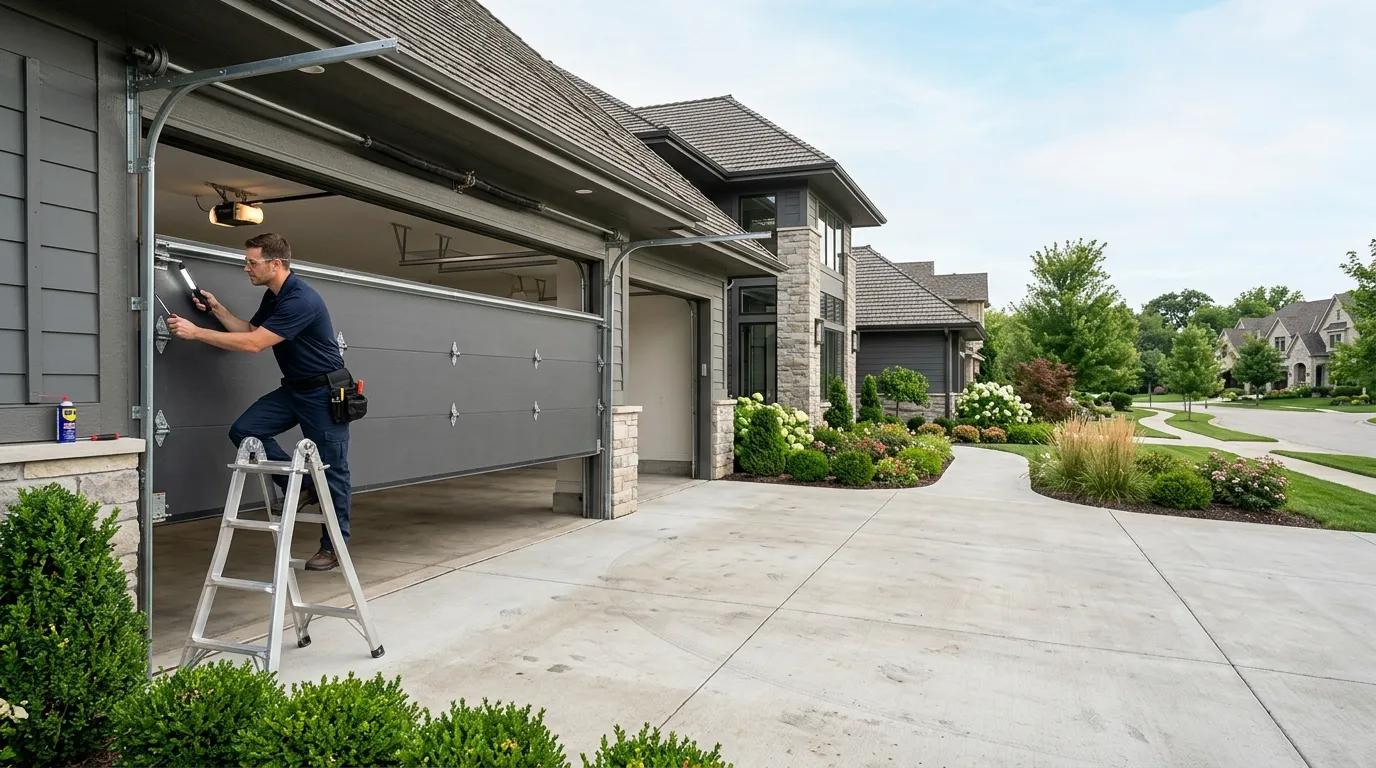
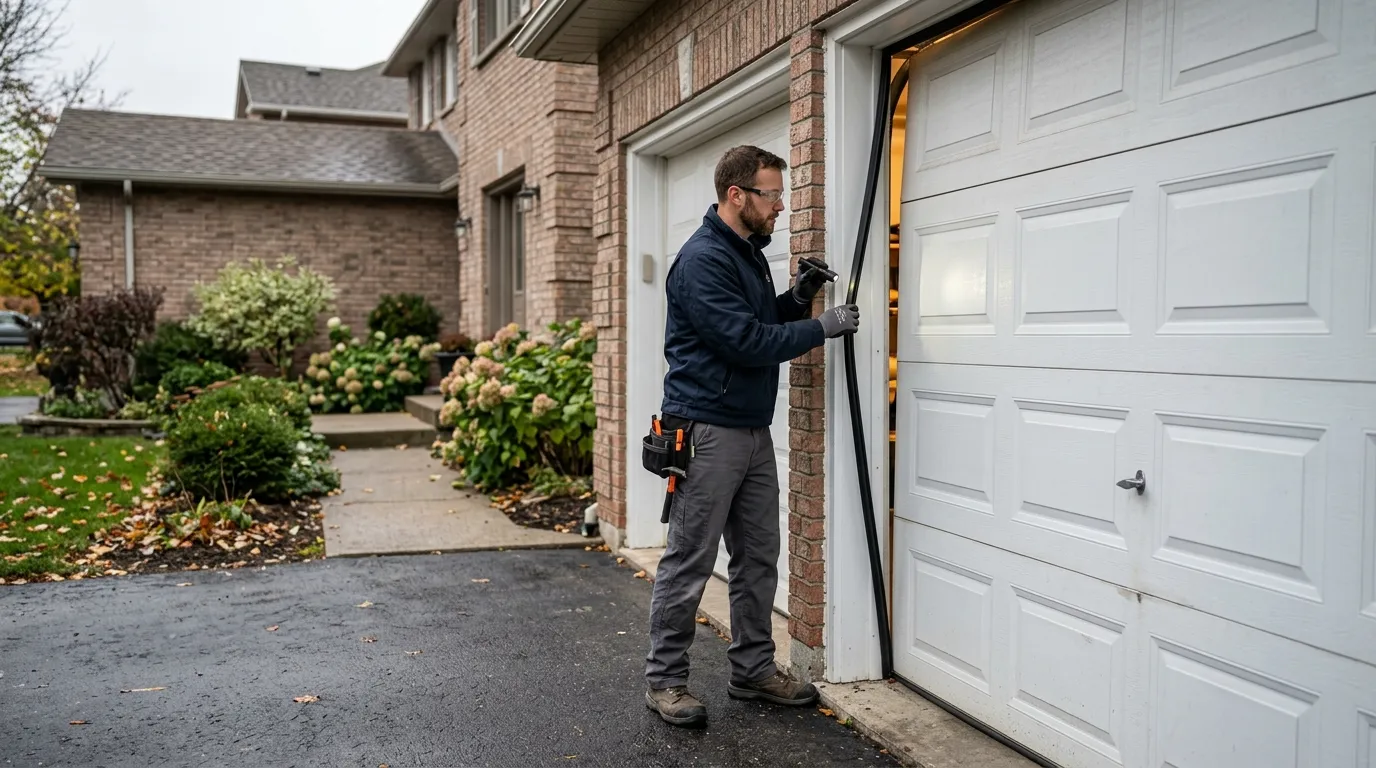
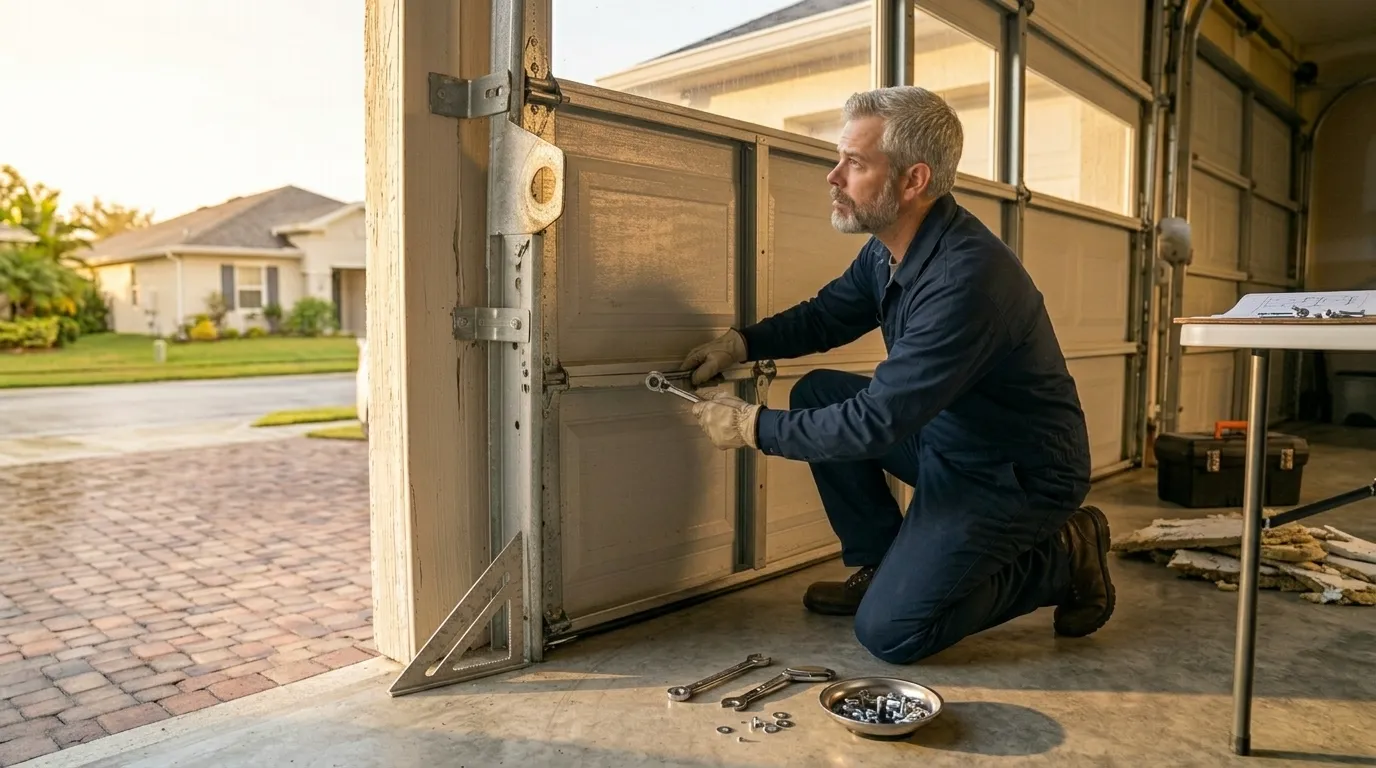
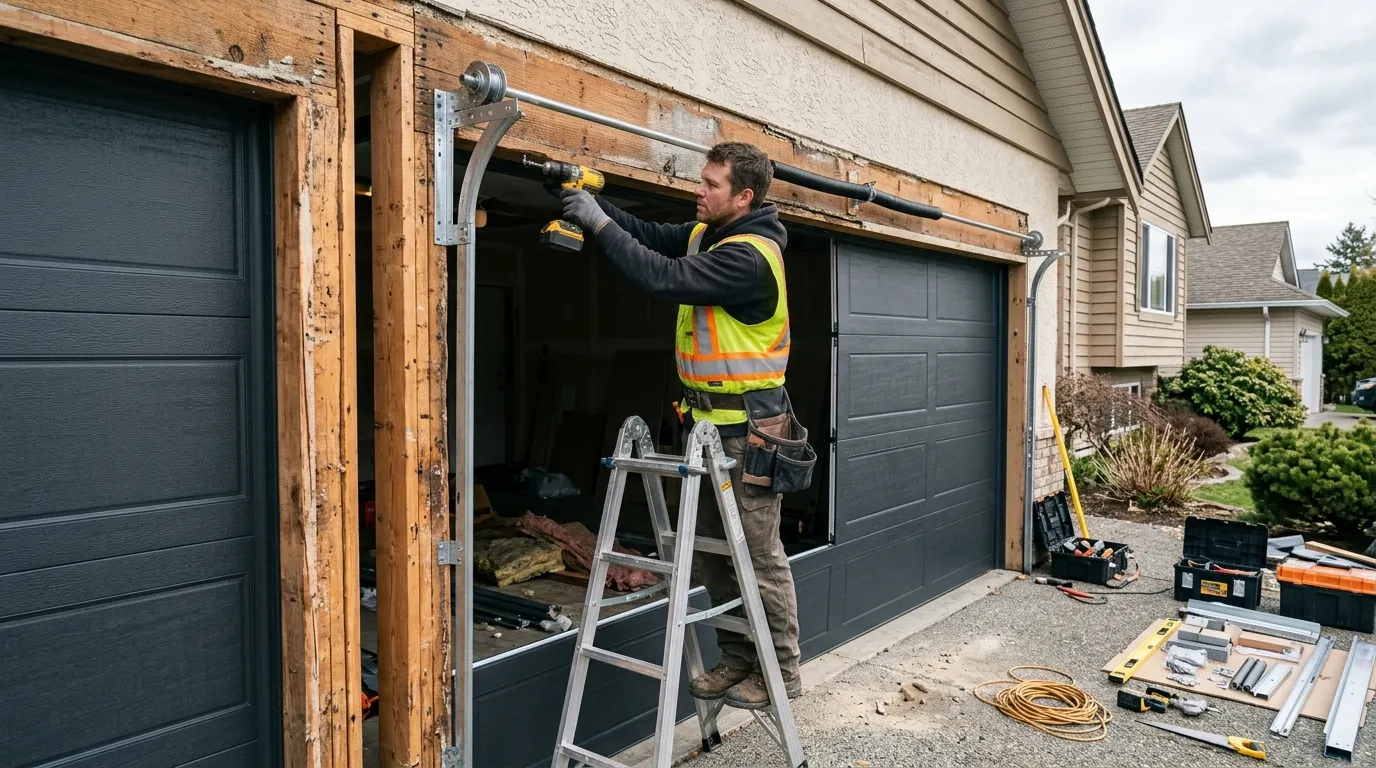
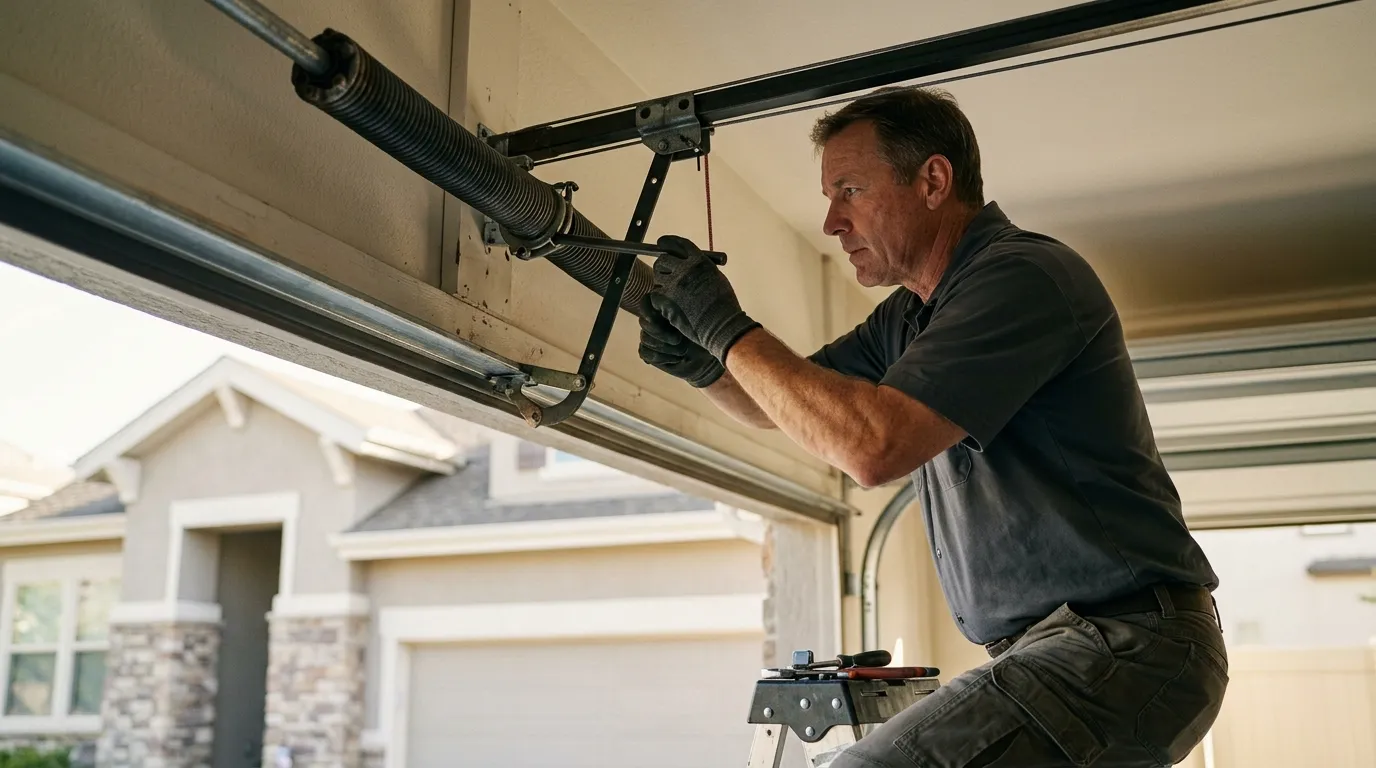
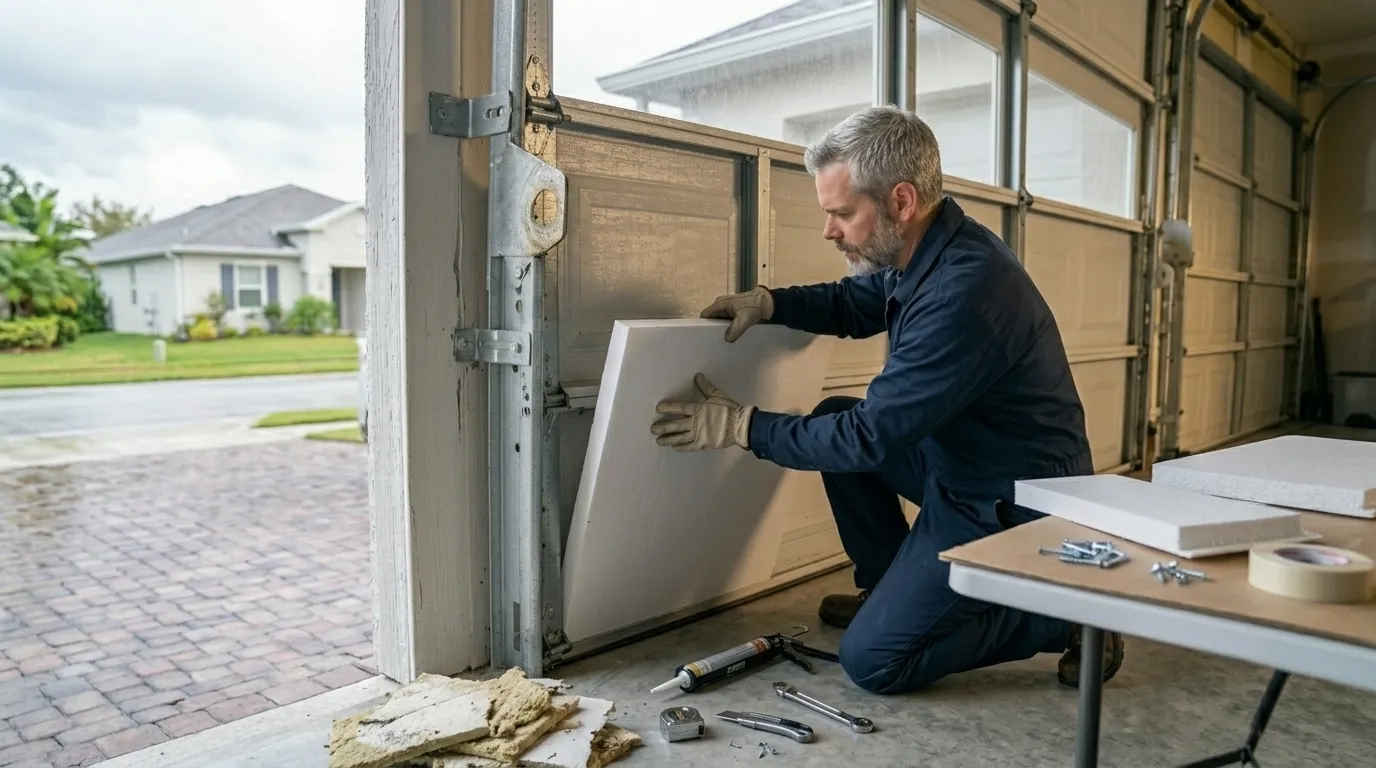
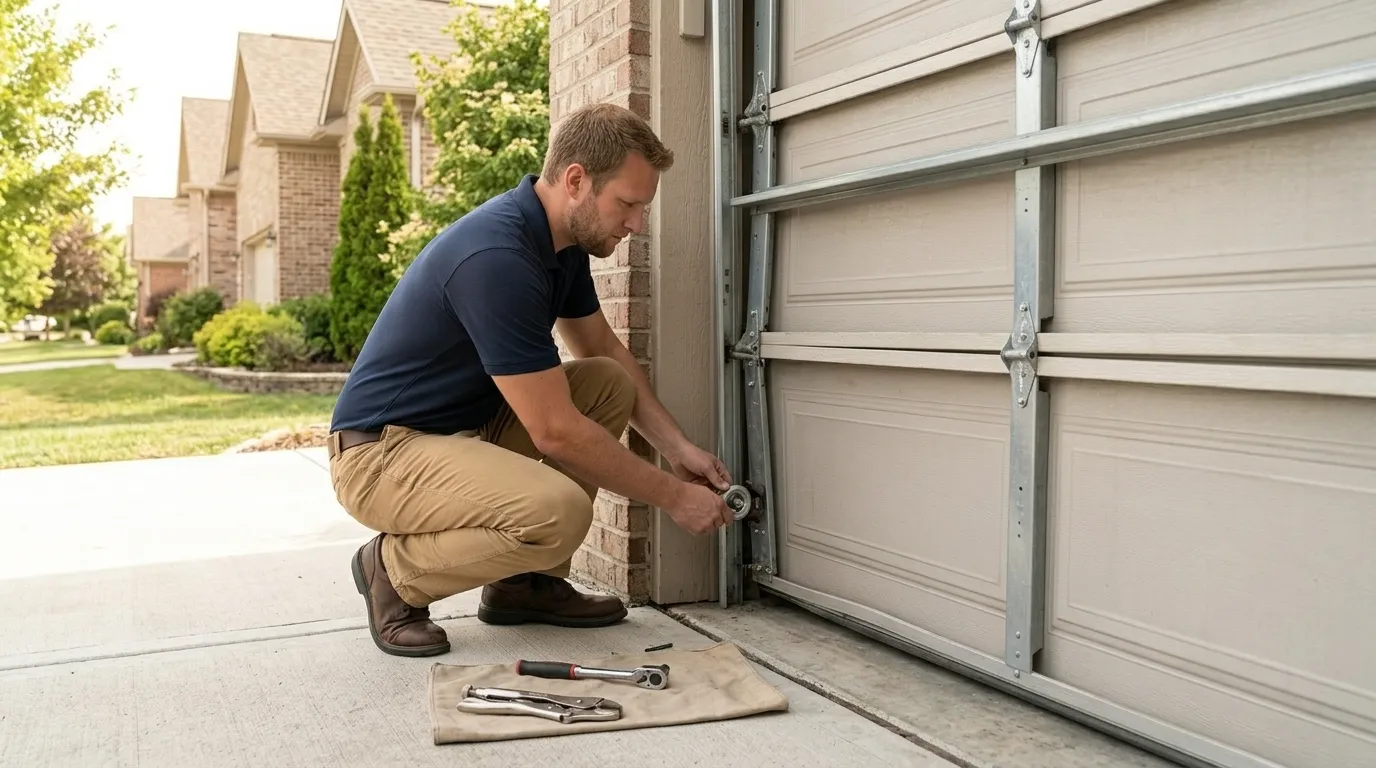
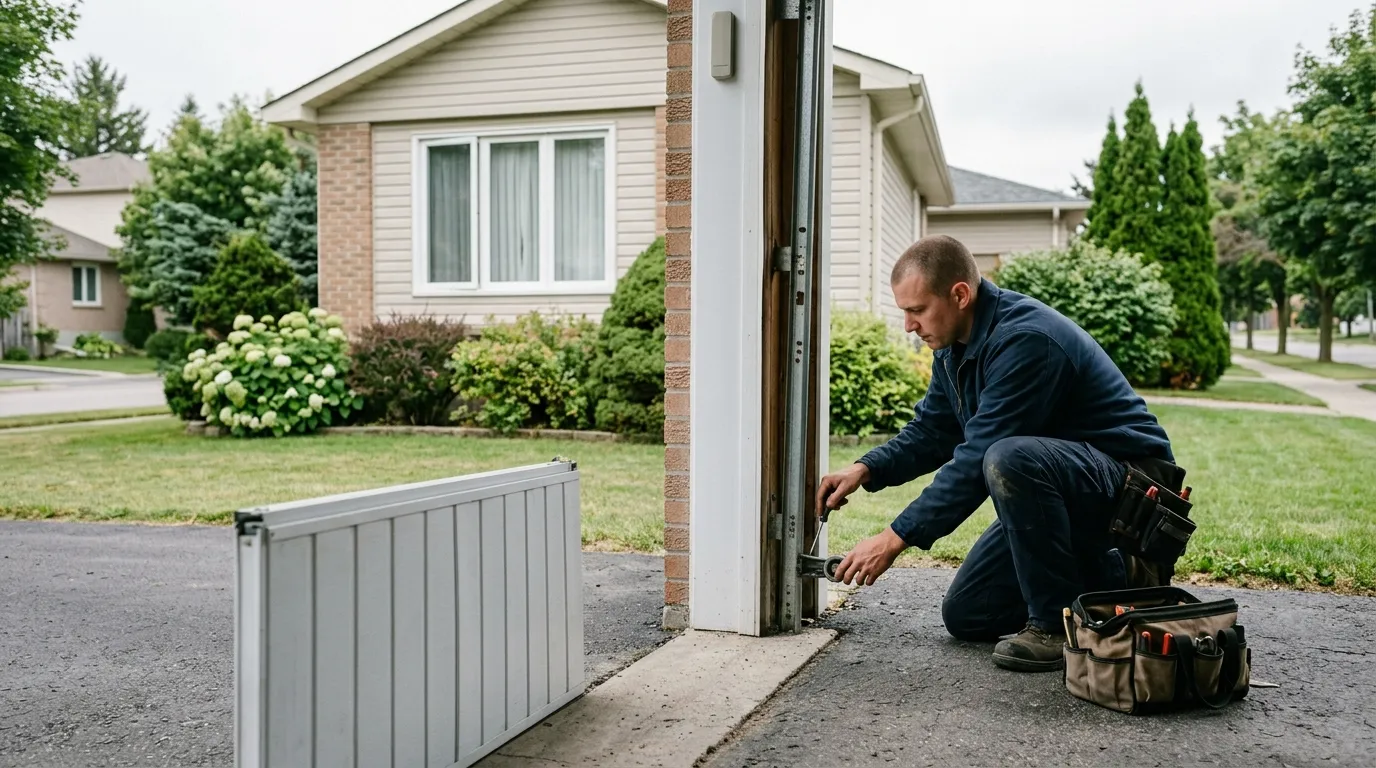
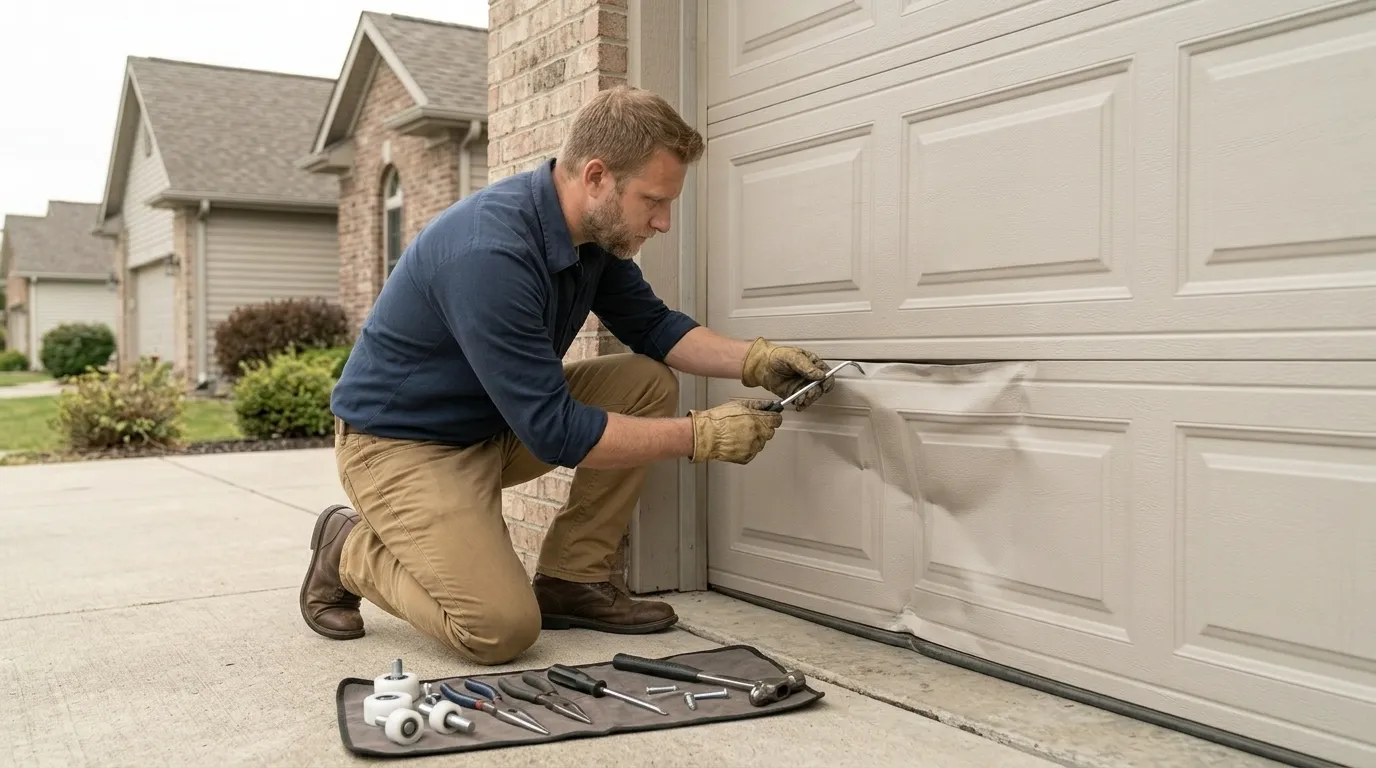
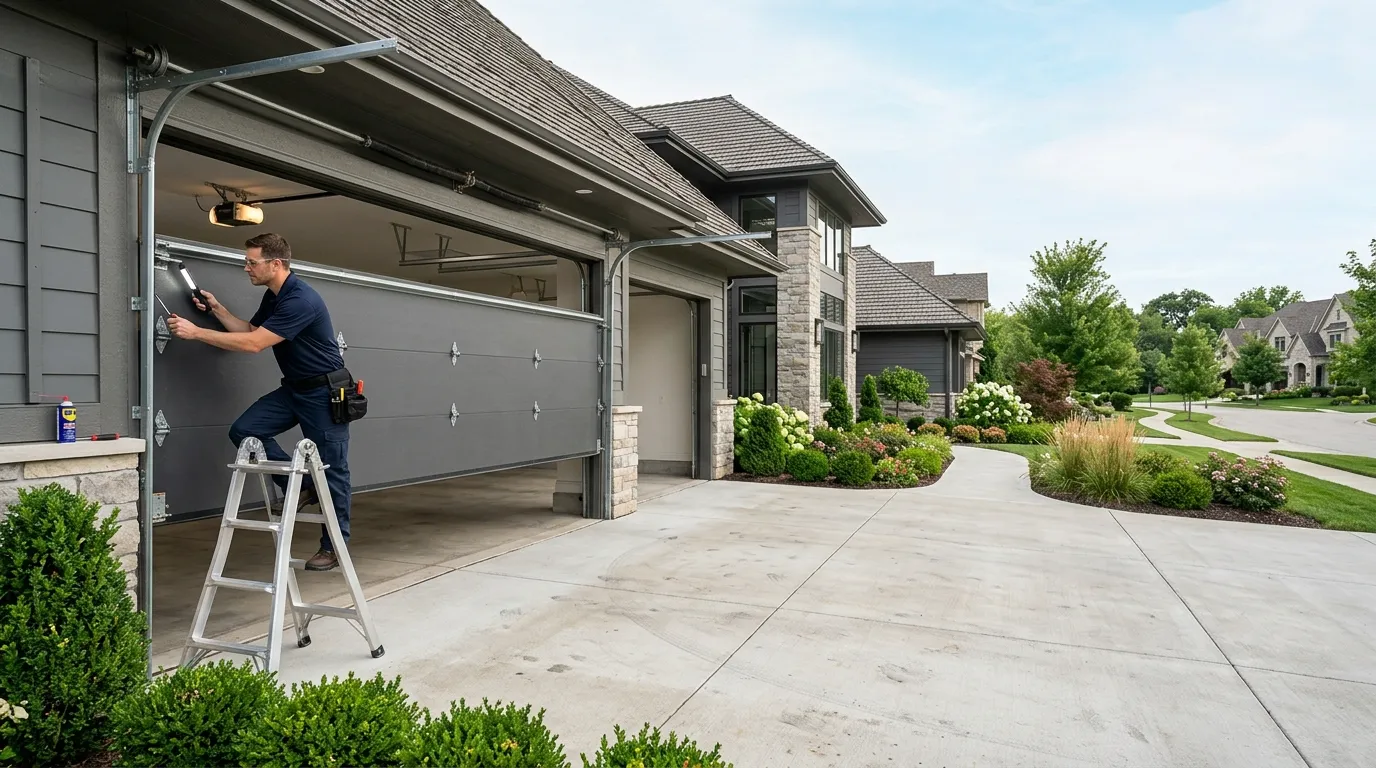
We work on the parts that actually break: torsion and extension springs, openers, tracks, panels, rollers, and cables. That's the job, door in and door out, nothing wider than that.
Because most of the housing stock in this area dates from 1975 to 2015, and the bulk of it across the fifteen communities we cover was built in the 1980s and 90s, a big share of the calls we get are for doors and openers from that same window. That means original one-piece panels on side-mounted hardware, first-generation chain-drive openers with sensors that don't match anything sold today, and torsion springs sized for a door style that isn't common on new construction. We keep that kind of hardware in mind on every job, because it's what's actually on the wall in most of these garages.
The winters here fall in the cold-severe band, which is hard on springs and on nylon rollers that get brittle and crack when the temperature drops and a door gets forced open anyway. That's a repair we see on a predictable schedule every year, not a mystery breakdown.
What we don't do: general contracting, fencing, or anything that isn't the garage door and its hardware. If a job needs a carpenter or an electrician for something outside the door itself, we'll tell you that instead of taking on work we're not set up to finish right.
Where We Travel
The service area runs to about 49,905 households, with 27,557 of those owner-occupied houses, and a median household income of $104,583, which is the kind of area where people fix a door instead of living with a broken one for a year.
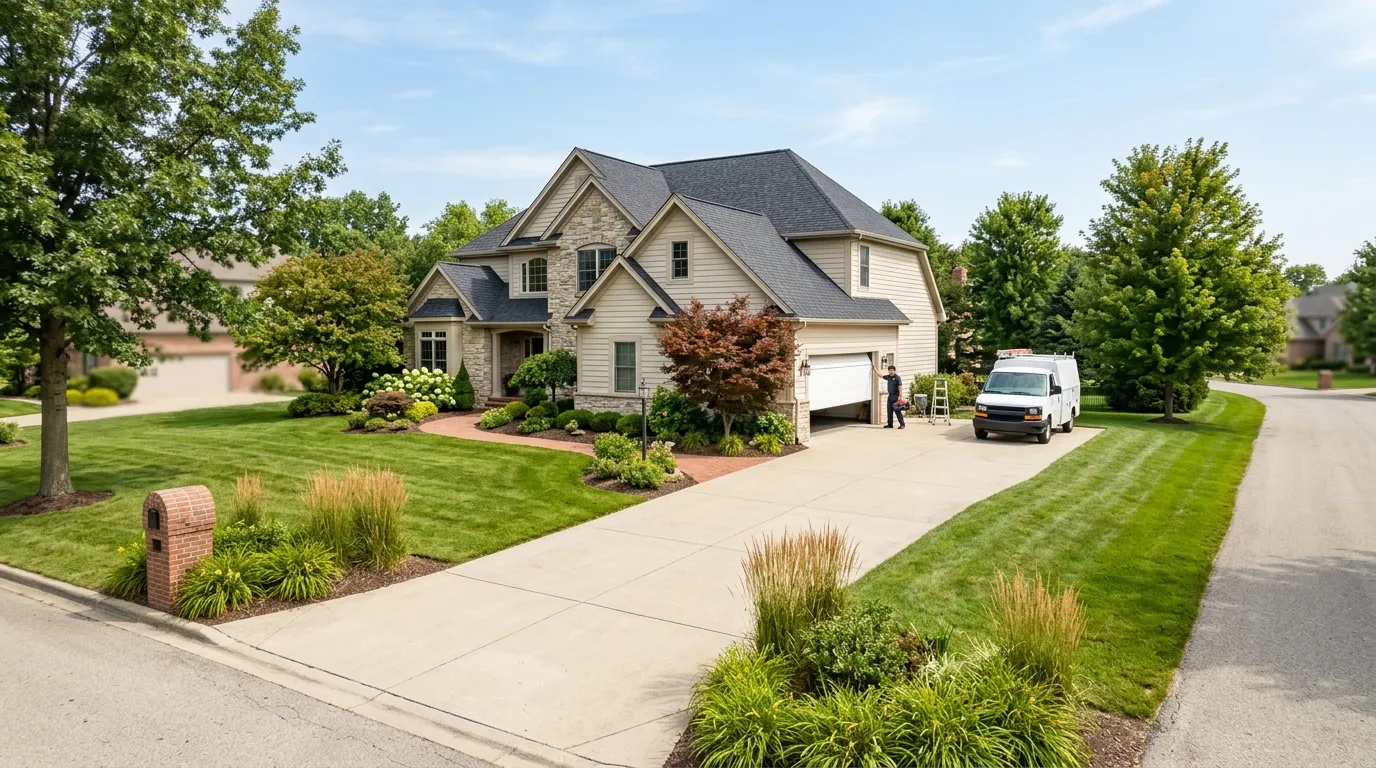
From our base in Spanish Fork, we drive out to three miles off, and Mapleton and Springville and Salem, each about four miles out. is five miles and Payson sit around seven is eight is nine. Further out, we cover Santaquin at thirteen miles at fifteen at sixteen at nineteen.
That's fifteen named communities in all, and the housing in most of them follows the same pattern as Spanish Fork itself: built mostly in the 1980s and 90s, with newer construction filling in gaps up through 2015. A torsion spring job in Salem and one in usually call for the same size spring and the same approach, because the doors going up in those years came off similar production runs.
If you're outside this list, call anyway and we'll tell you honestly whether the drive makes sense for the job.