How That Shows Up in the Door
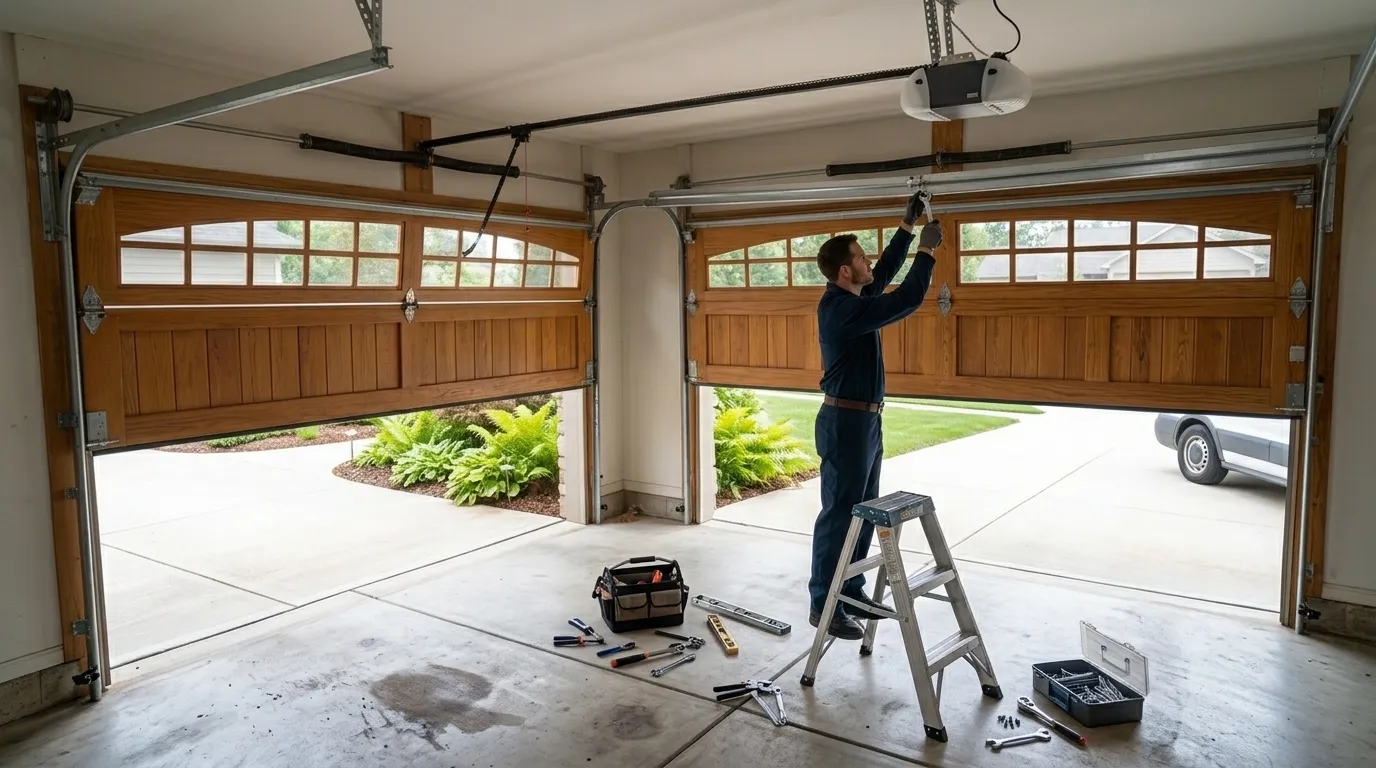
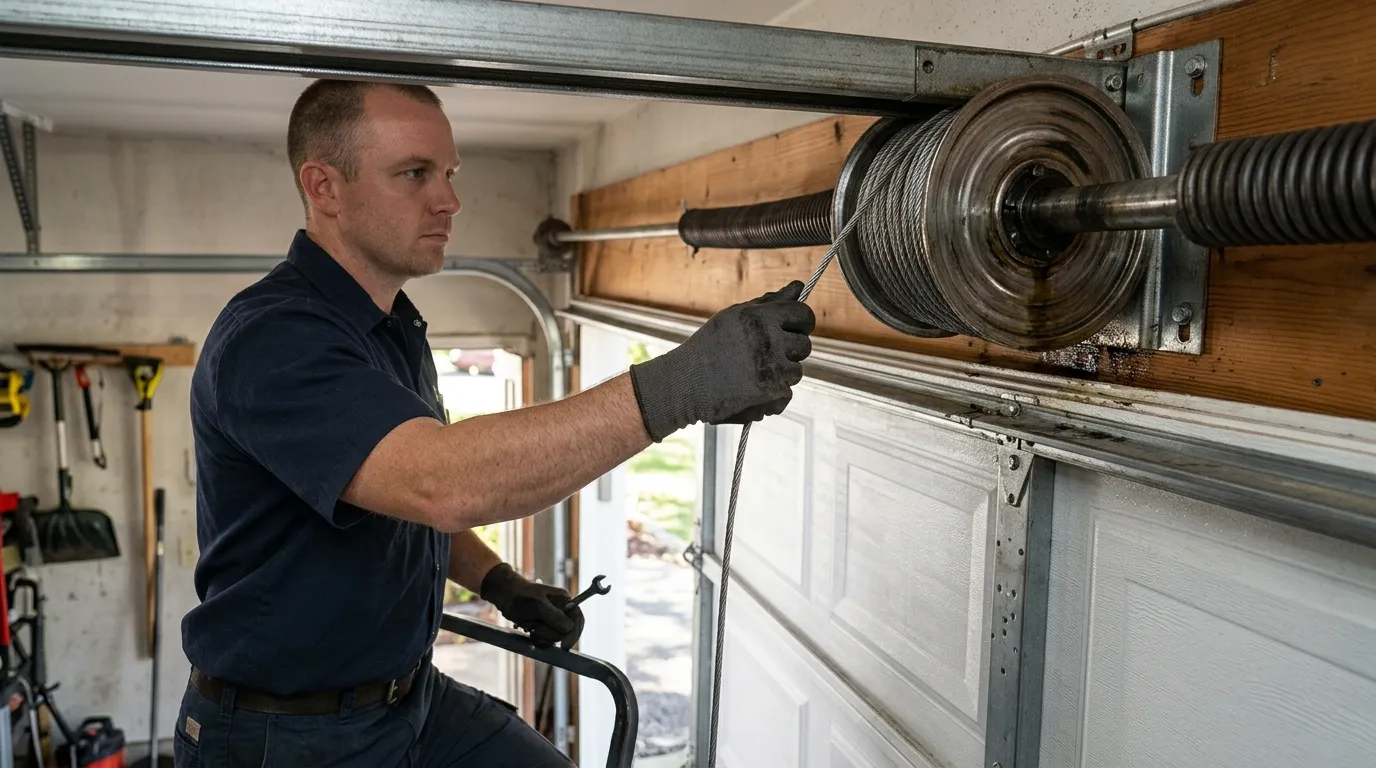
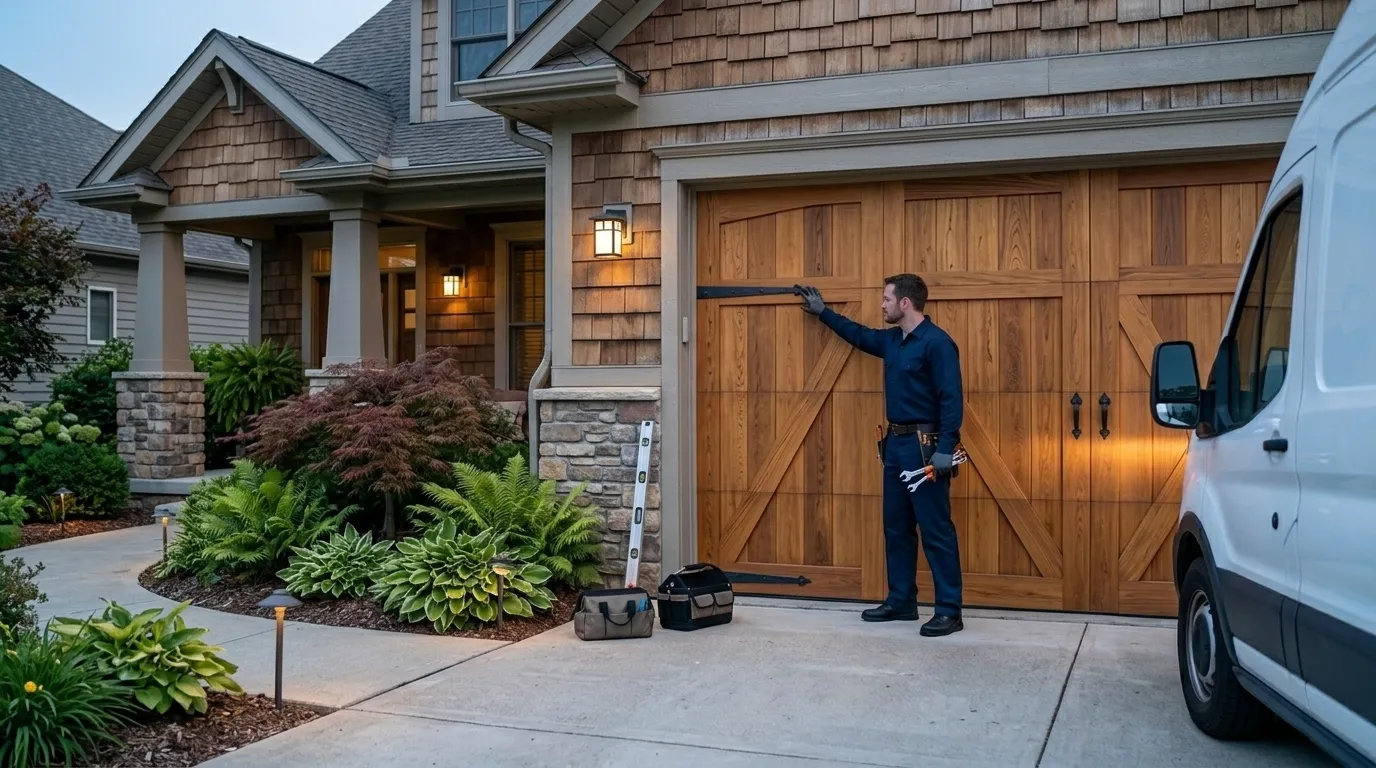
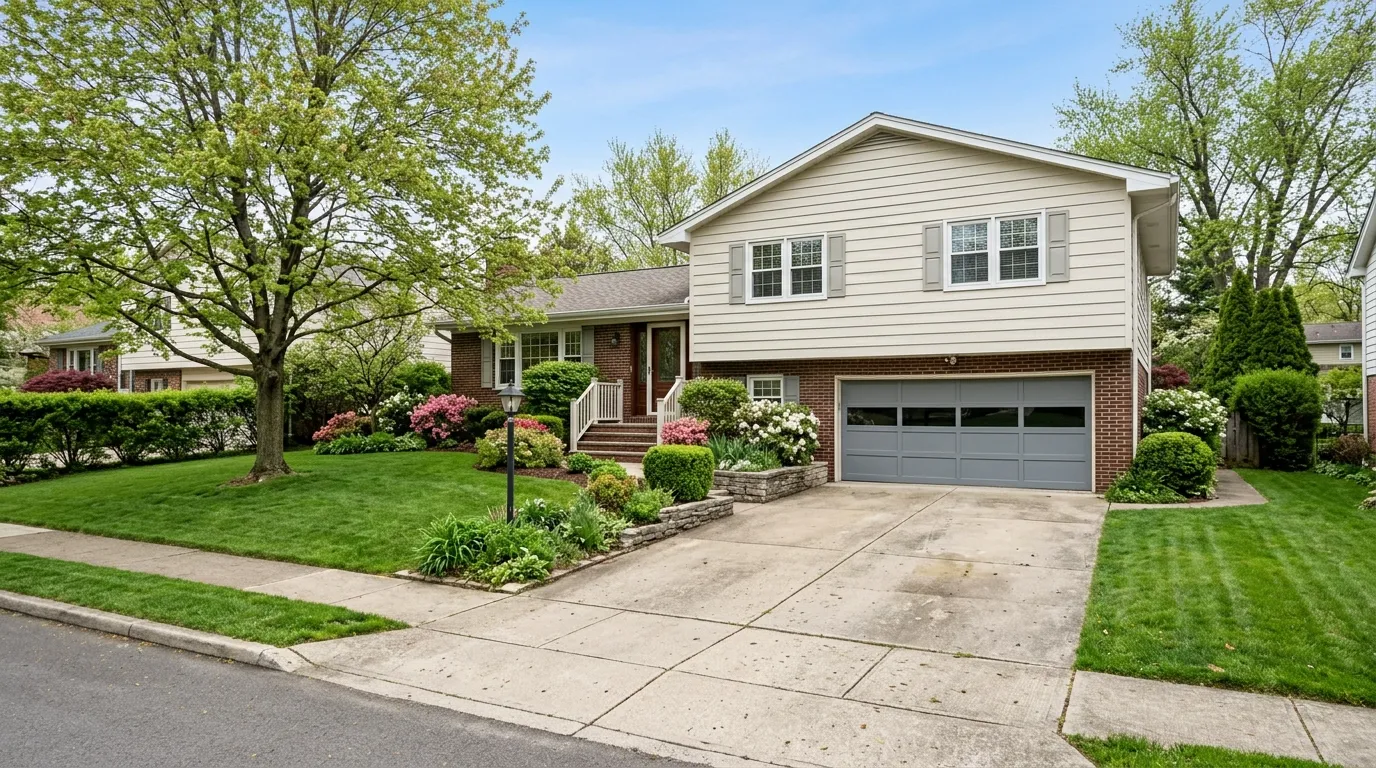
Homes out here run older than the service-area average - West Mountain's typical build year sits around 1980, while the broader area we cover skews closer to 1998. That ten-plus year gap matters on a garage door. A house from 1980 was likely built with a heavier single-panel or early sectional door, torsion or extension hardware from a generation before today's galvanized cable and nylon roller standard, and brackets sized to specs manufacturers don't stock as commonly now. We see more original springs still doing double duty, more worn end bearings, and openers that have been swapped out once or twice while the door itself never was. None of that means the door is unsafe by default - plenty of these hold up fine with a spring change and a track adjustment - but it does mean we come prepared to match older hardware rather than assuming a stock 1998-era part will bolt straight in.
Timing on This Area
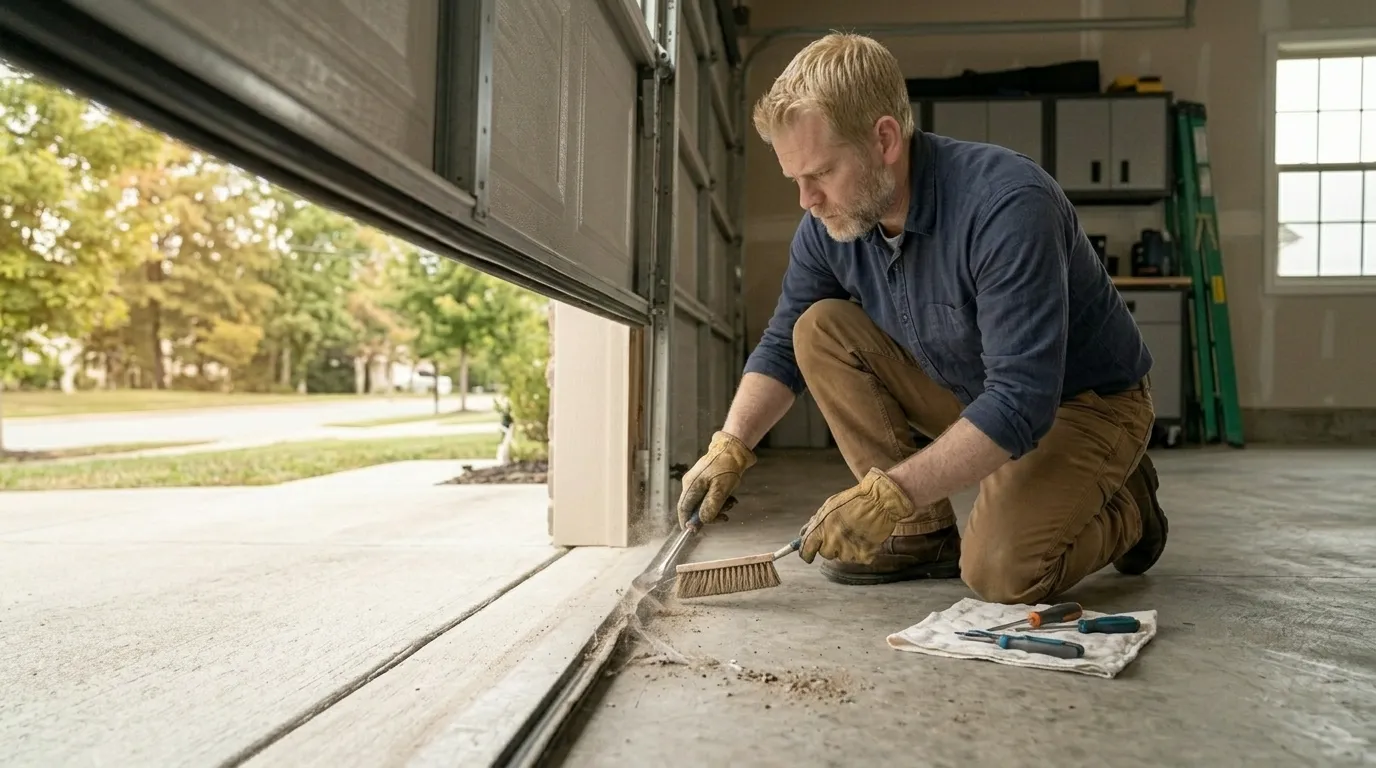
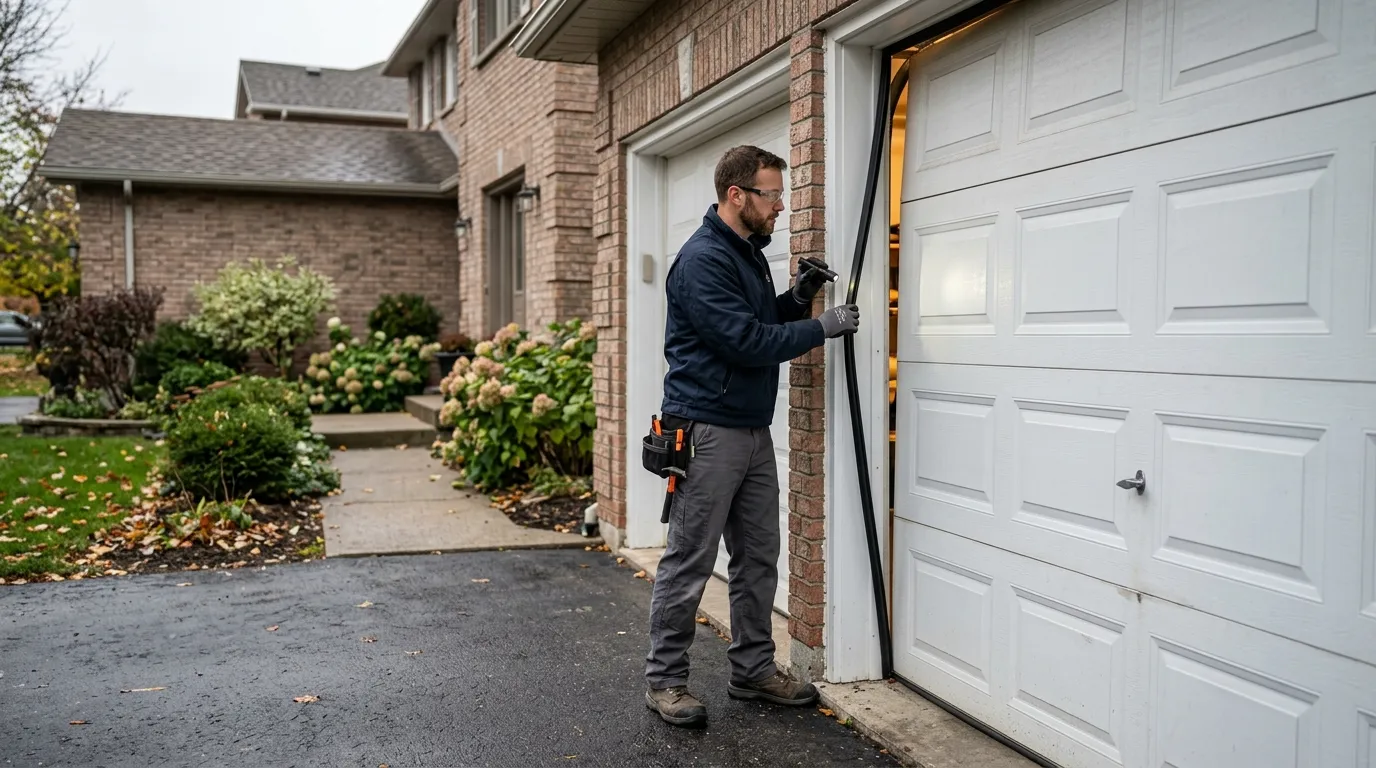
Cold winters here put real load on a garage door twice a day - once when it's cold-stiff at 6 a.m. and again when the sun's warmed the track by afternoon. On a 1980-built door, that swing shows up faster as brittle weatherstripping, springs that lose tension unevenly, and openers straining against a door that isn't balanced right anymore. We can't promise a same-day slot just because the weather turned; distance and scheduling both play into when a truck can get out to West Mountain. What we can say is that waiting through a full winter on a door that's already sagging or slow to close usually turns a spring job into a spring-and-track job, so it's worth calling before the cold really sets in rather than after.