Where This Job Goes Sideways
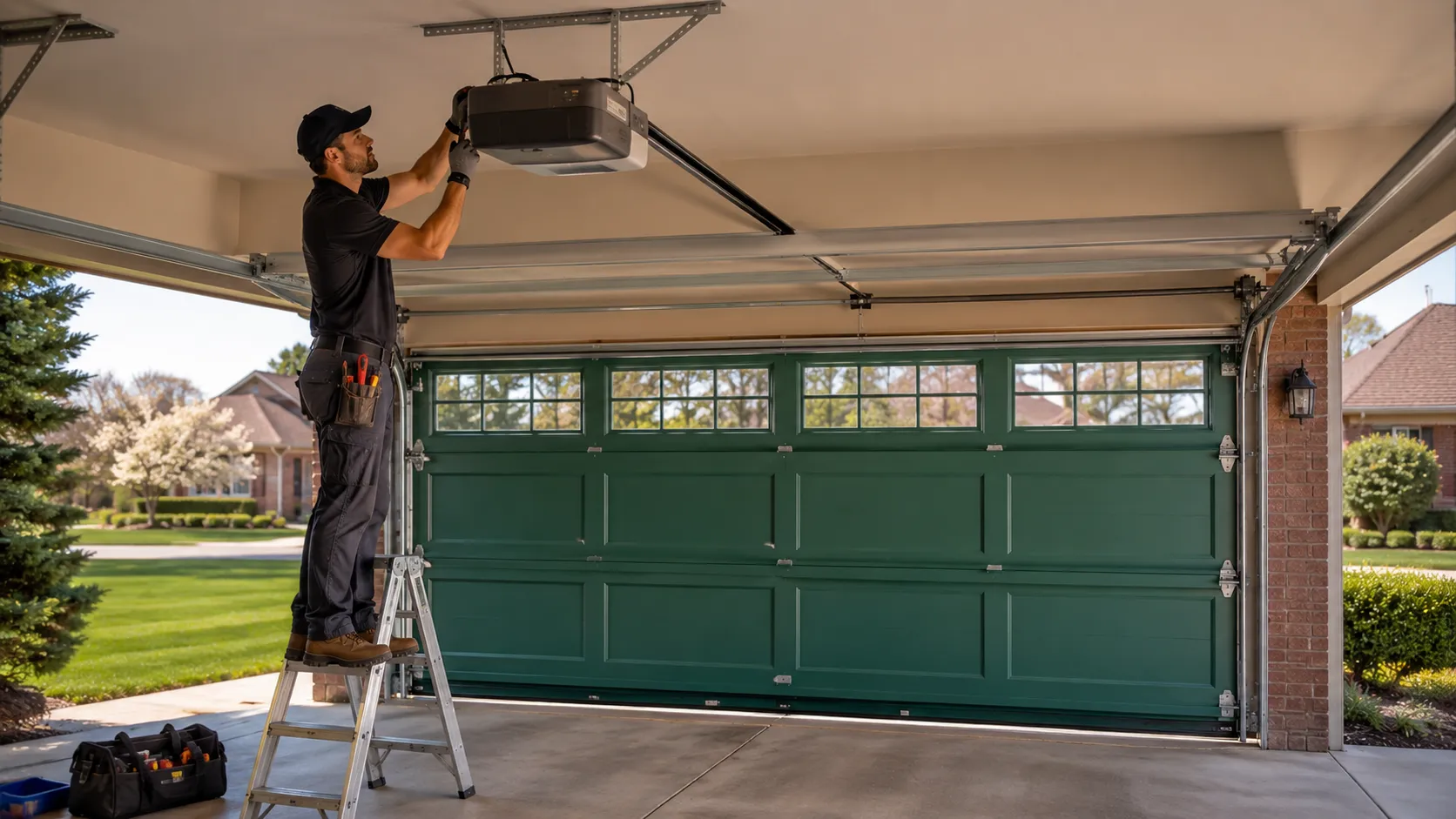
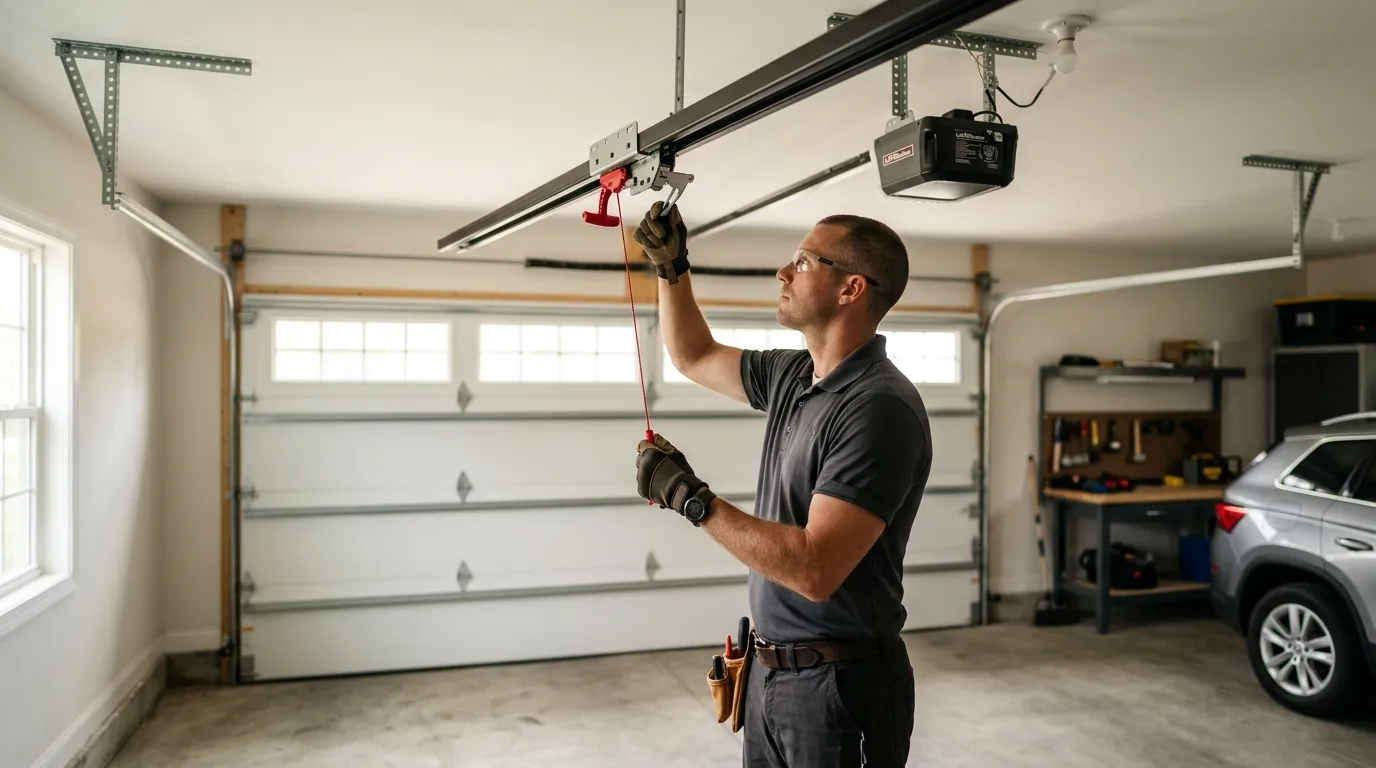
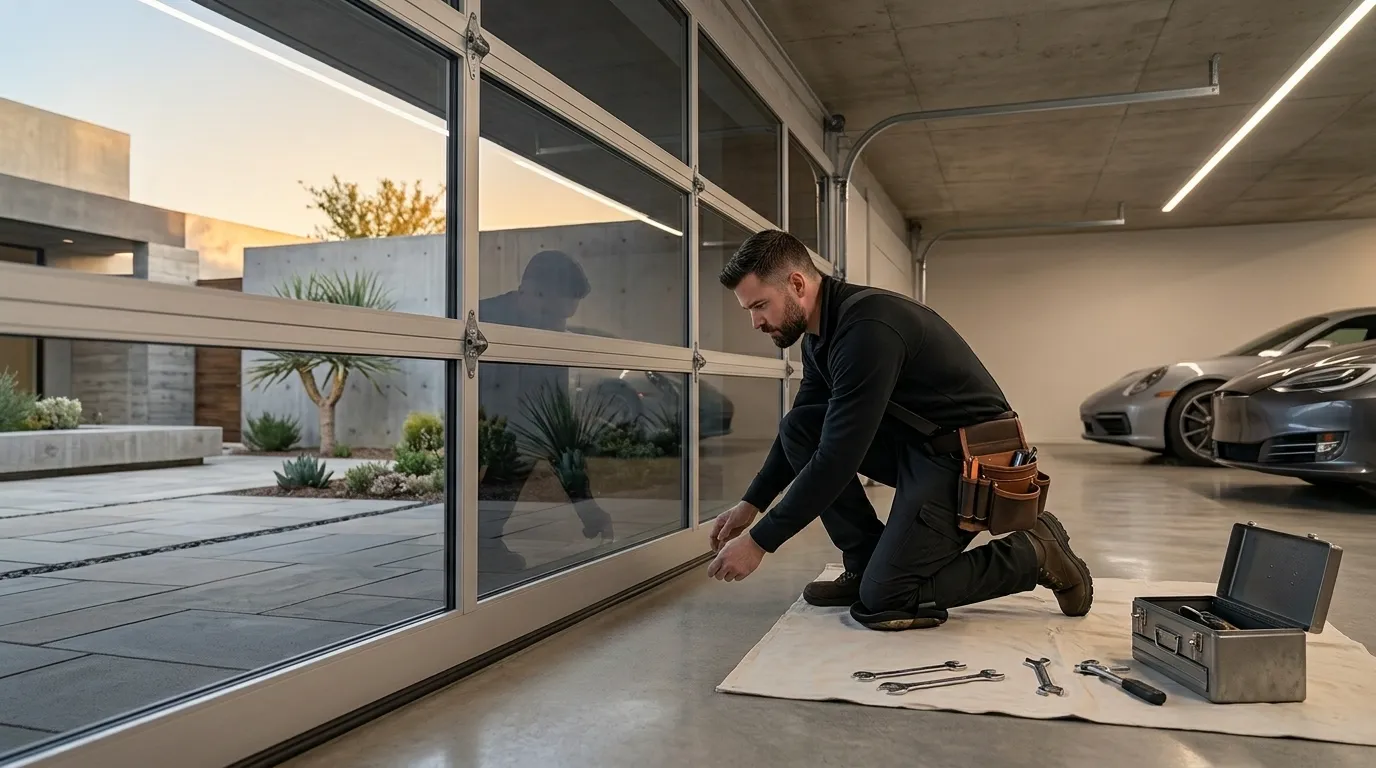
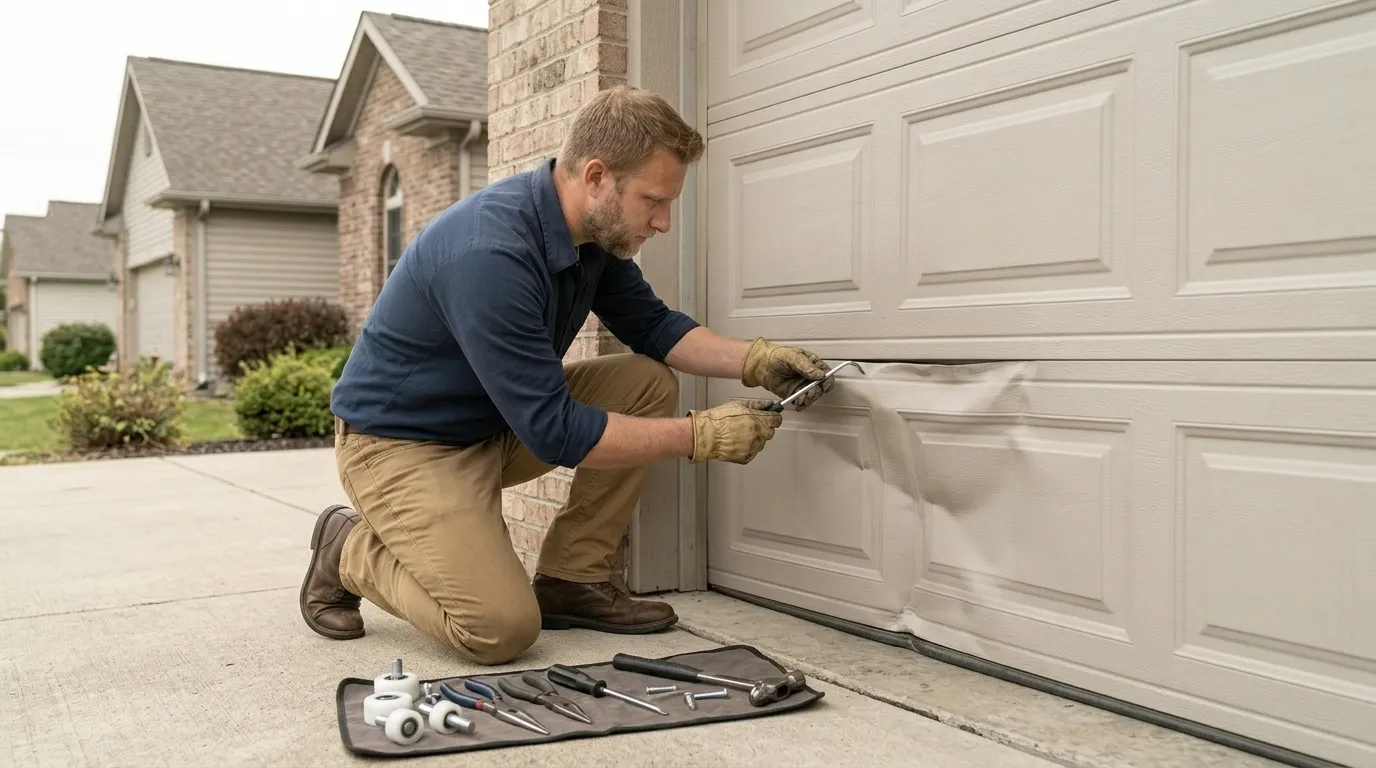
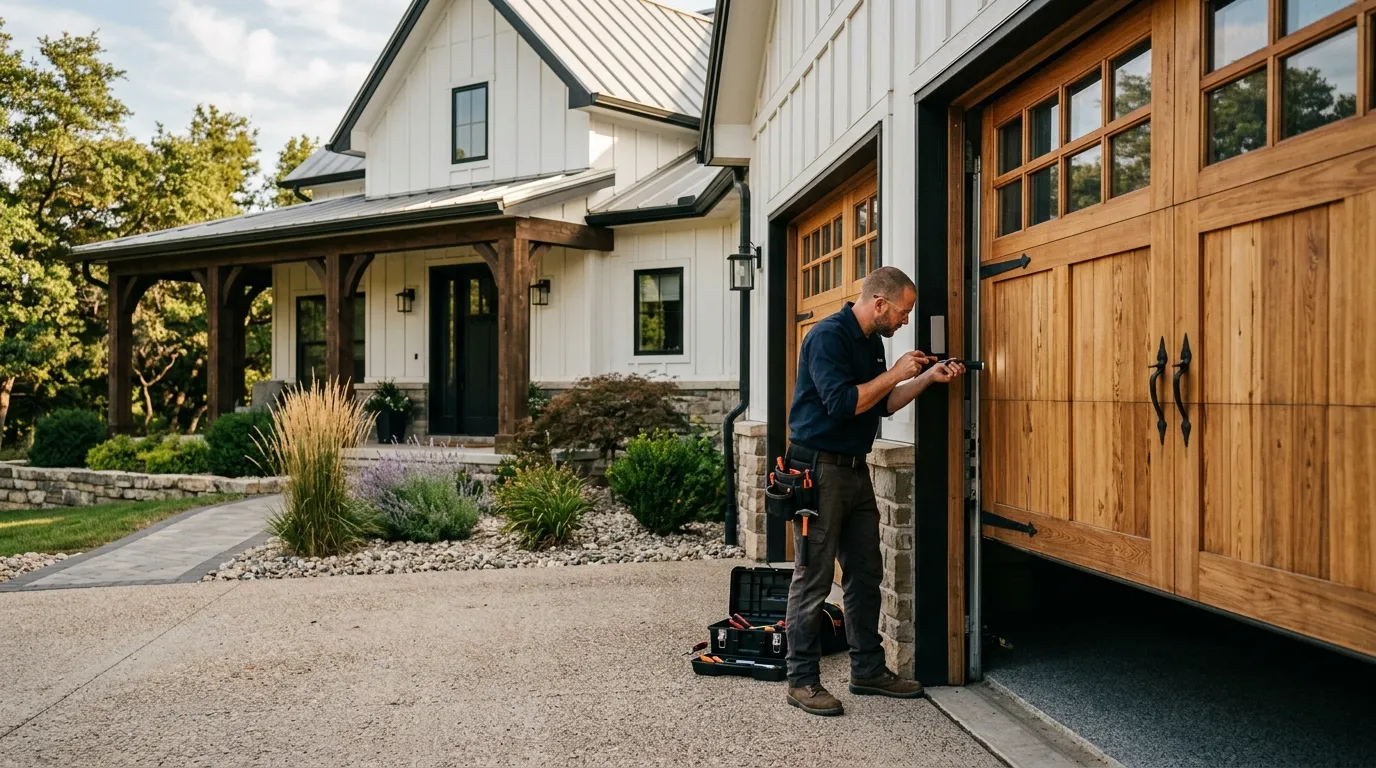
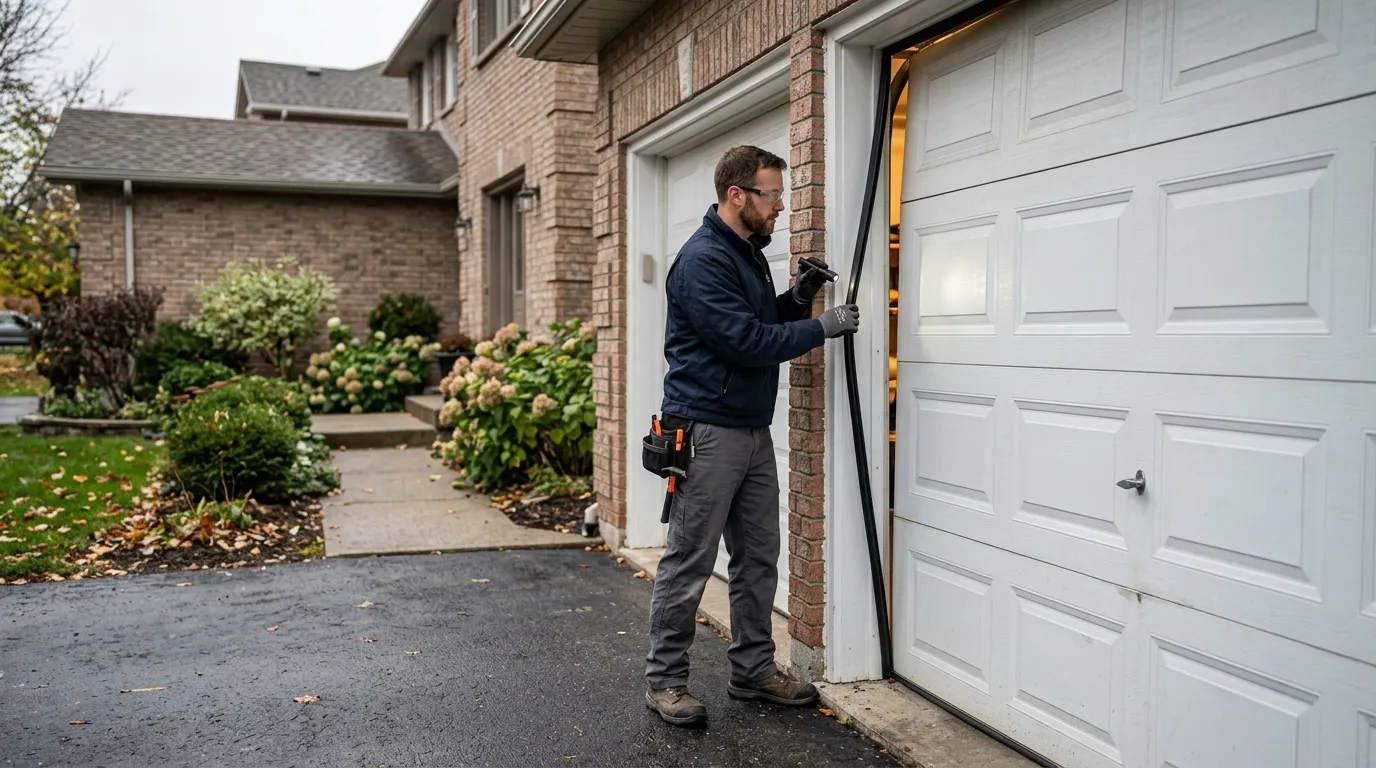
The trouble spot on 1990s Springville construction is usually the spring type. A lot of builder-installed doors from that decade shipped with extension springs running along the horizontal track rather than a torsion spring over the header. Homeowners want a torsion setup on the new install - quieter, safer, less to snag - but that means adding a torsion shaft, center bearing plate, and cable drums that were never there before, not just bolting a new door to old hardware. Skip that step and the new door runs on mismatched gear that was never sized for it. The other spot: this area sits in a cold-climate zone, and a lot of the original garage doors here were never insulated at all, because nobody built to a thermal spec on an accessory structure in 1995. If the garage shares a wall with living space, swapping in an insulated door without checking the wall assembly on that shared side leaves the upgrade half-finished.
Stocked Parts
Standard 8-foot and 9-foot double door sections and 16-foot single-width sections cover most of what a 1995-era Springville opening needs, and those sizes move fast enough that they're rarely a special order. Torsion conversion hardware - shaft, bearing plates, cable drums - is a common enough ask on this housing stock that it isn't a wait item either. Where lead time shows up is on anything outside the standard sizing: a garage that got widened or had its opening reframed at some point, or a custom insulated door spec chosen for the cold-climate performance rather than the builder-grade look. Those get ordered to spec and that's a real wait, not a same-week job. We'll tell you at the estimate if your opening falls into that category - better to hear it before you've picked a color.
What It Costs
We're not going to put a number here we can't stand behind - every one of these jobs prices differently depending on whether it's a straight swap onto matching hardware or a torsion conversion plus insulation upgrade. What we can tell you is what drives the spread in this area: households here run a median income around $88,516, a bit below the wider Spanish Fork service area's $104,583, and that shows up in which upgrade path people choose - insulated door now versus non-insulated door with insulation added later. Neither is wrong. The honest limitation is that we can't quote a firm number without measuring your actual opening and confirming whether the spring system needs converting, because those two variables move the job more than the door itself does.