When Waiting Is Fine
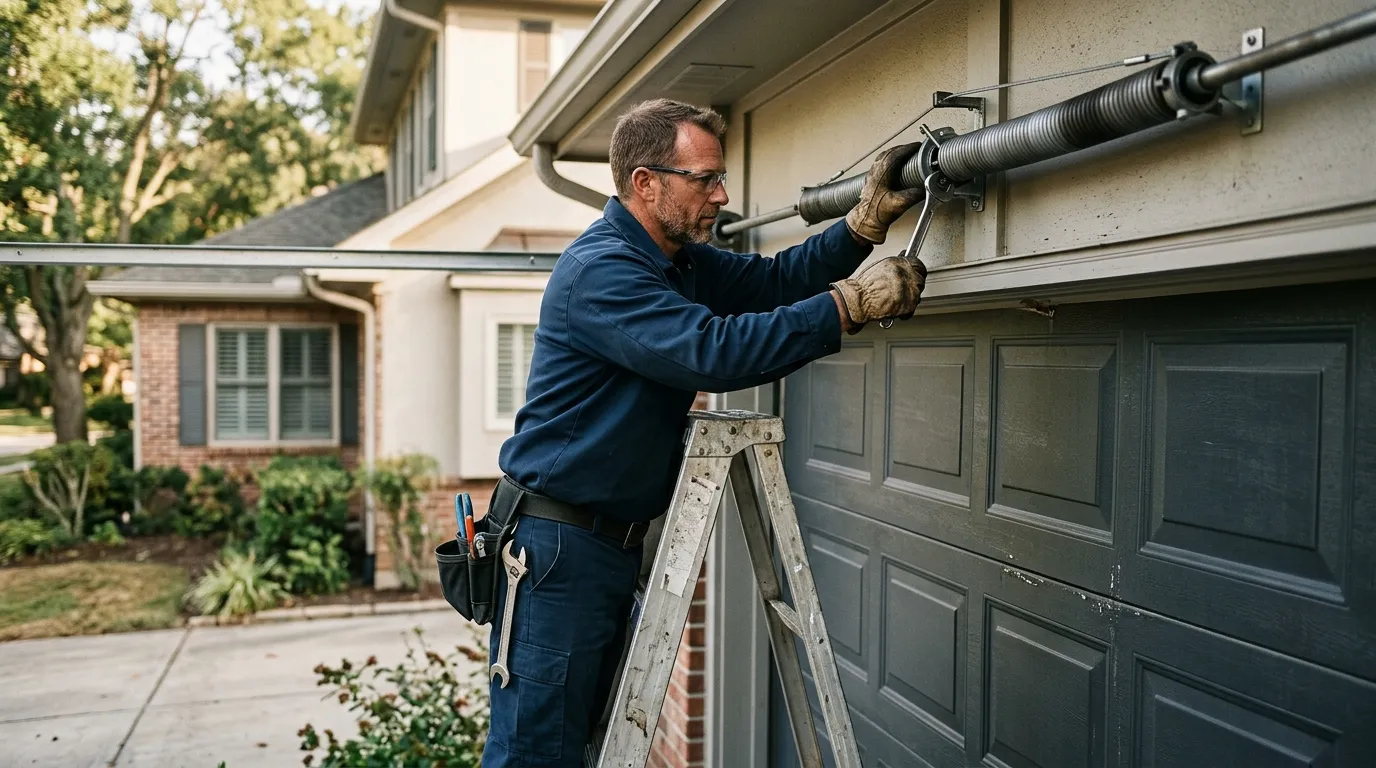
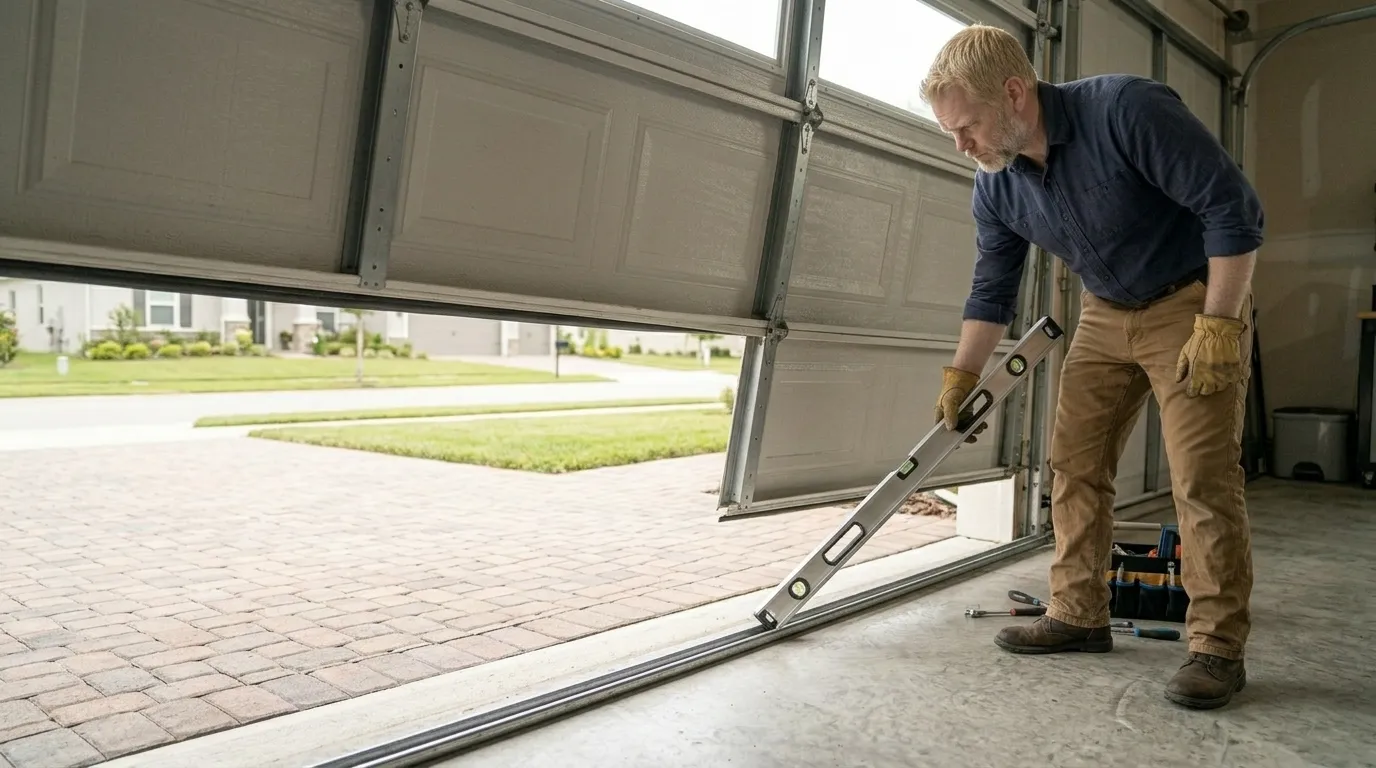
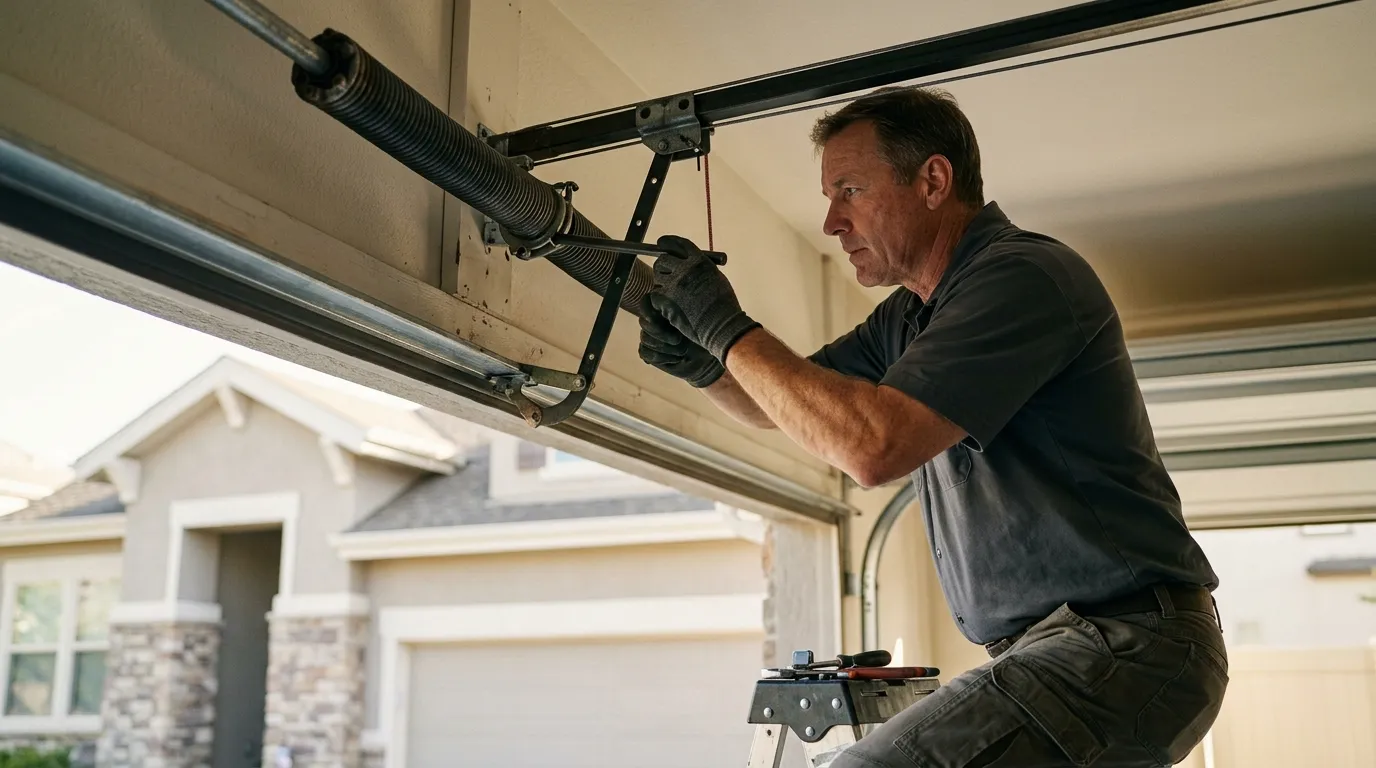
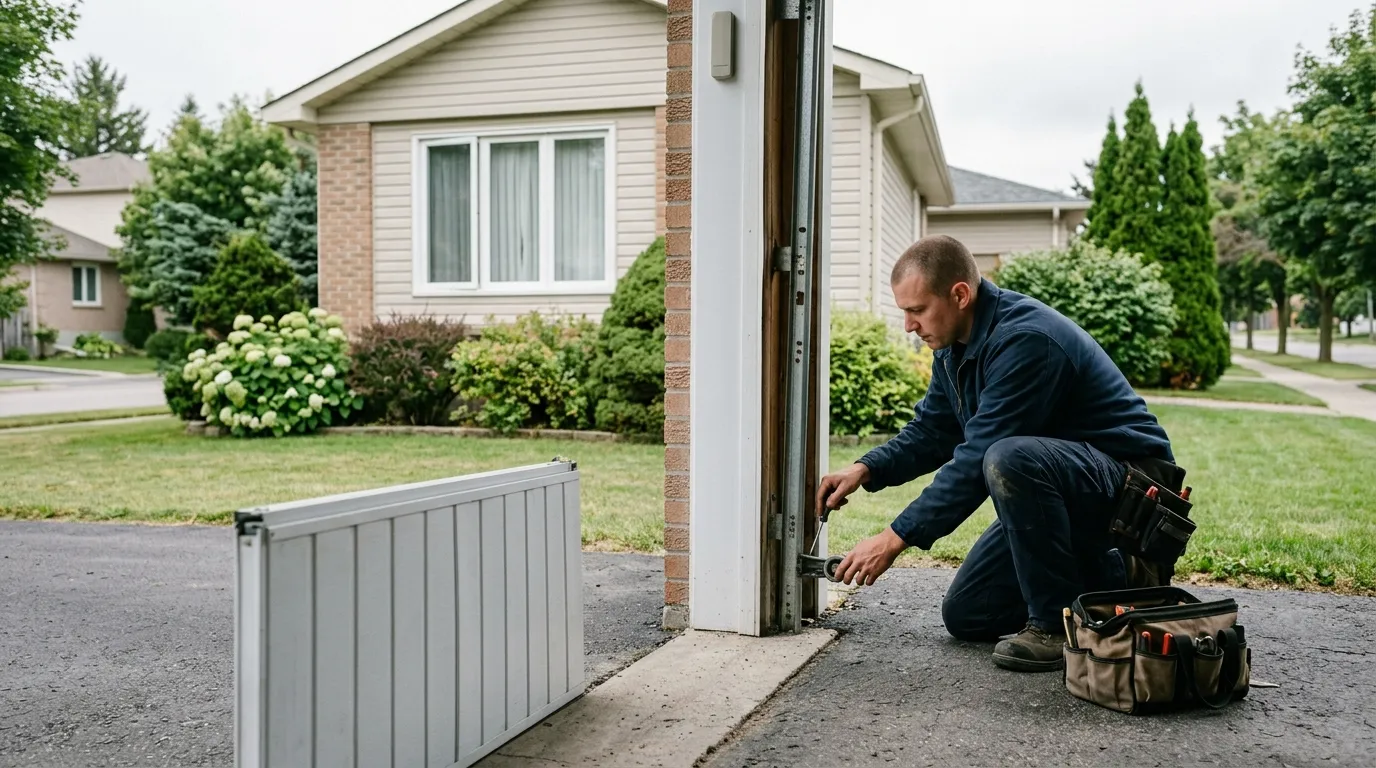
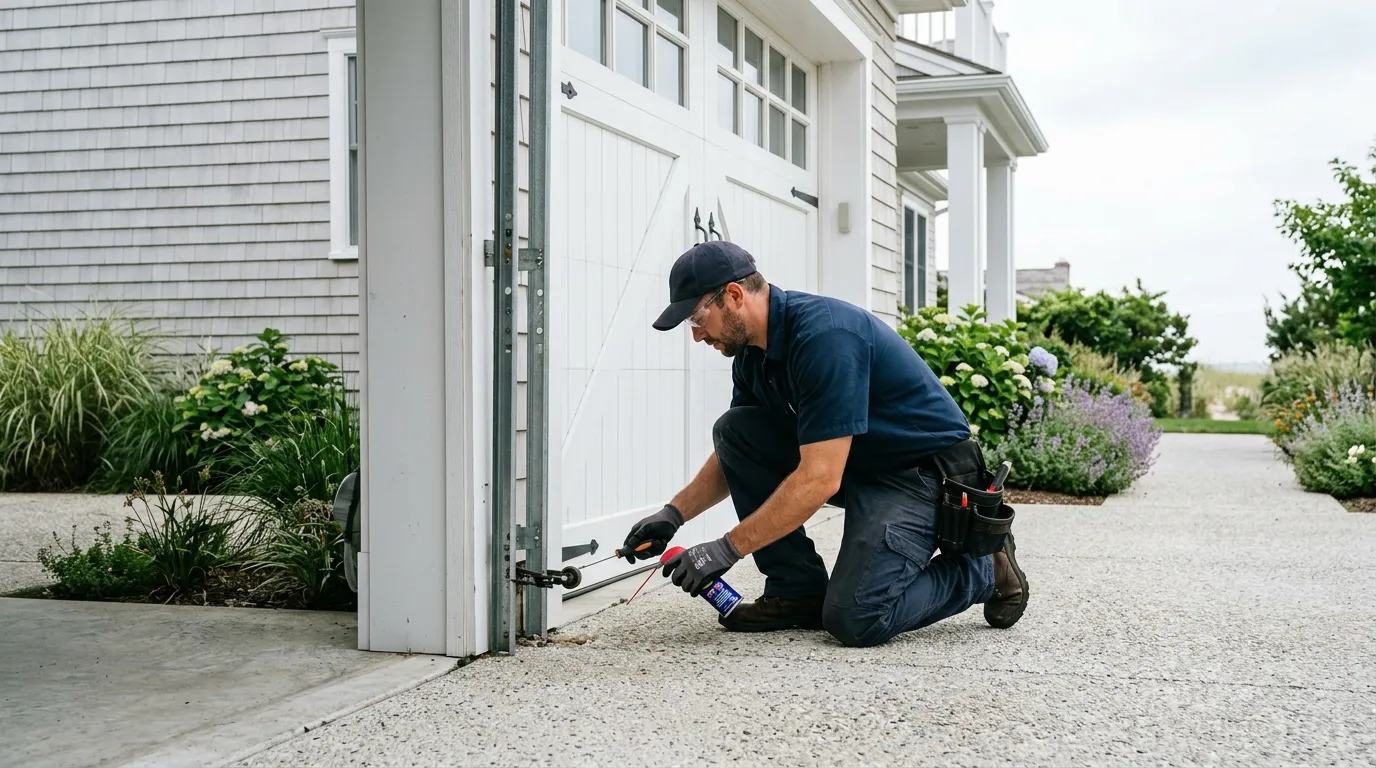
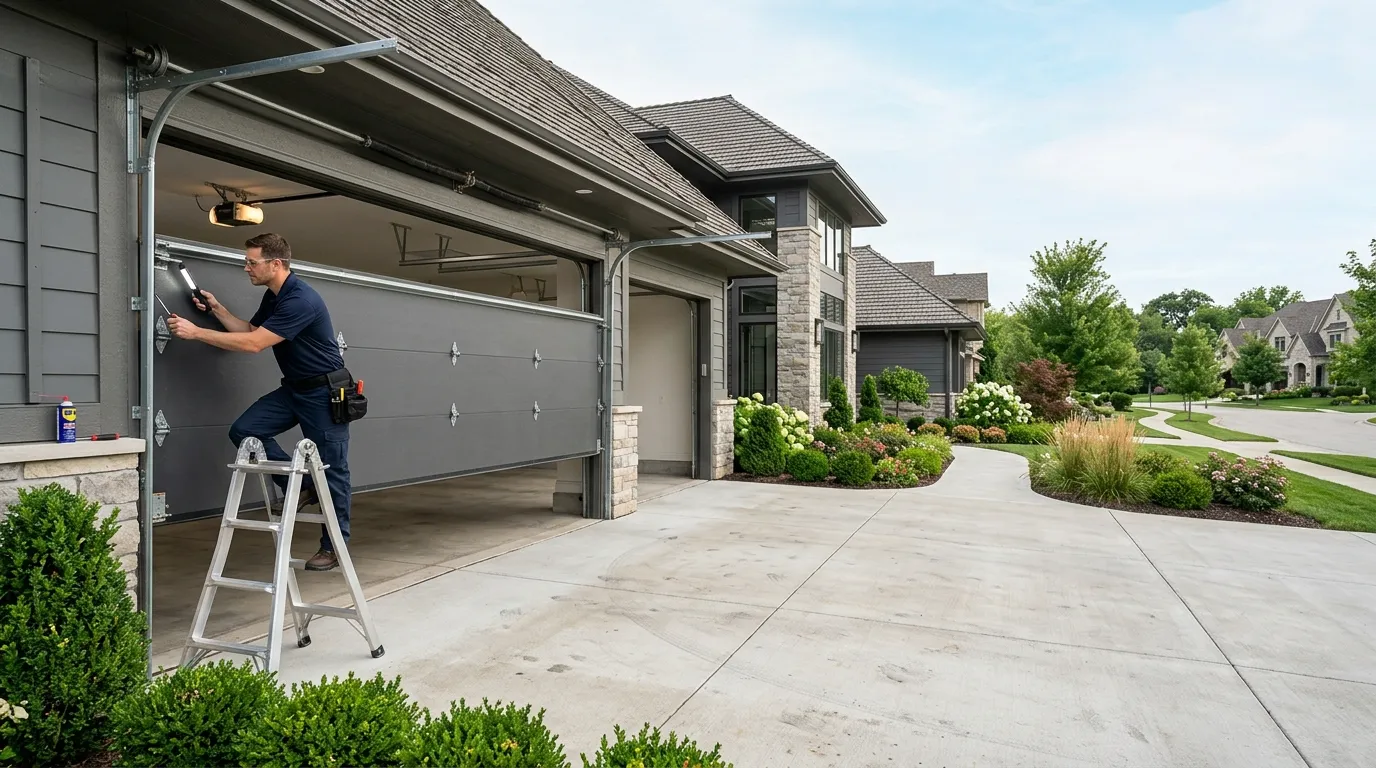
Not every noise is an emergency, and we'd rather say so than run a truck for nothing. A door that groans a little on cold mornings but still opens and closes fully is usually fine to schedule, not rush. Surface rust on a track, a dented lower panel from a stray bumper tap, a keypad that needs new batteries - none of that needs a same-day call. Where we draw the line: if a torsion spring is visibly stretched, if the door drops instead of lowering under control, or if the opener strains and reverses partway up, that's not wait-and-see territory. Honest limitation: we don't do cosmetic dent repair on aluminum or steel panels - once a panel's creased, replacement is the real fix, and we'll tell you that instead of trying to hammer it back into shape. On the age side, a door original to the 1980s or 90s building wave that's still running fine doesn't need to come out just because it's old. Springs and rollers wear on a cycle count, not a calendar, so a low-use door in a two-car household can outlast a heavily used one by years even from the same build era.
What Local Conditions Do
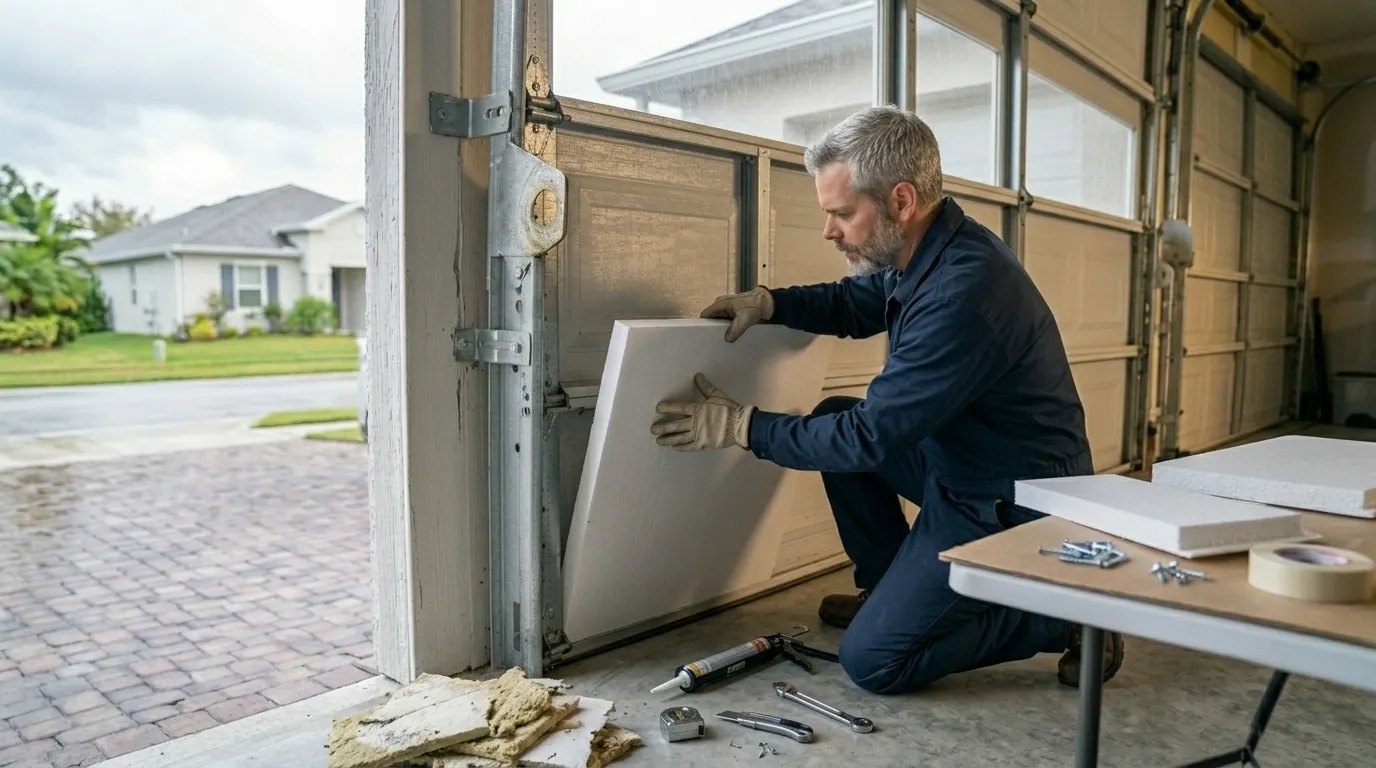
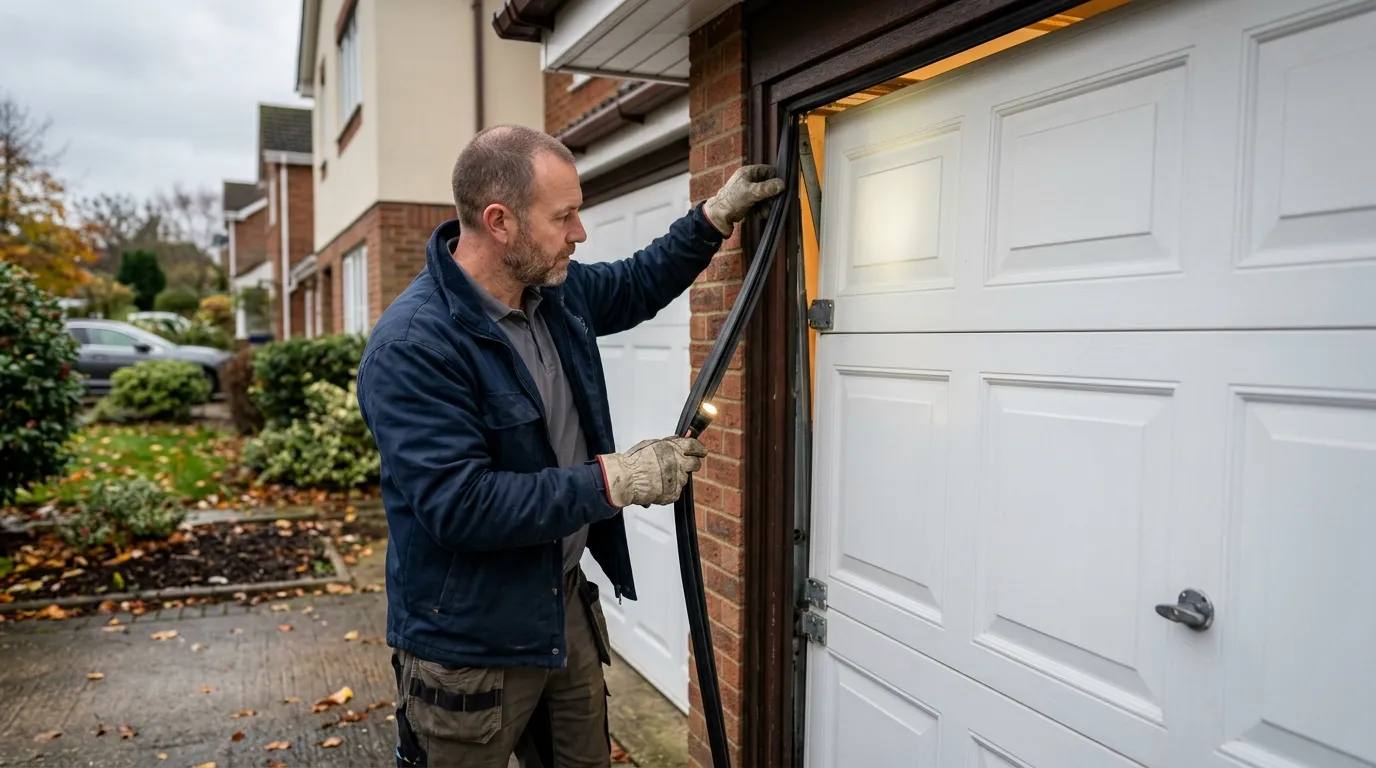
Cold is the variable that changes how a garage door behaves here, since this area sits in a severe cold climate band. Steel contracts as temperatures drop, and a torsion spring that's already near the end of its cycle life loses tension faster in cold than it would in a mild climate - the metal gets less forgiving right when the door is working hardest against stiff, cold-thickened lubricant. Openers feel it too: a unit that struggles on a fifteen-degree morning isn't broken, it's fighting friction the manufacturer's duty cycle didn't fully plan for. Weatherstripping on doors installed during that 1975-2015 building wave also wasn't always spec'd for the swings this area sees - a seal that's fine in August can crack and let cold air straight into the garage by January. None of this means every door needs winterizing work every season. It means the failure pattern here looks specific: more spring snaps in the first cold week, more opener strain calls in the coldest weeks, and fewer of the corrosion issues you'd see somewhere humid or coastal. Repairs get scheduled around that pattern, not around a generic seasonal checklist.