What the Repair Takes
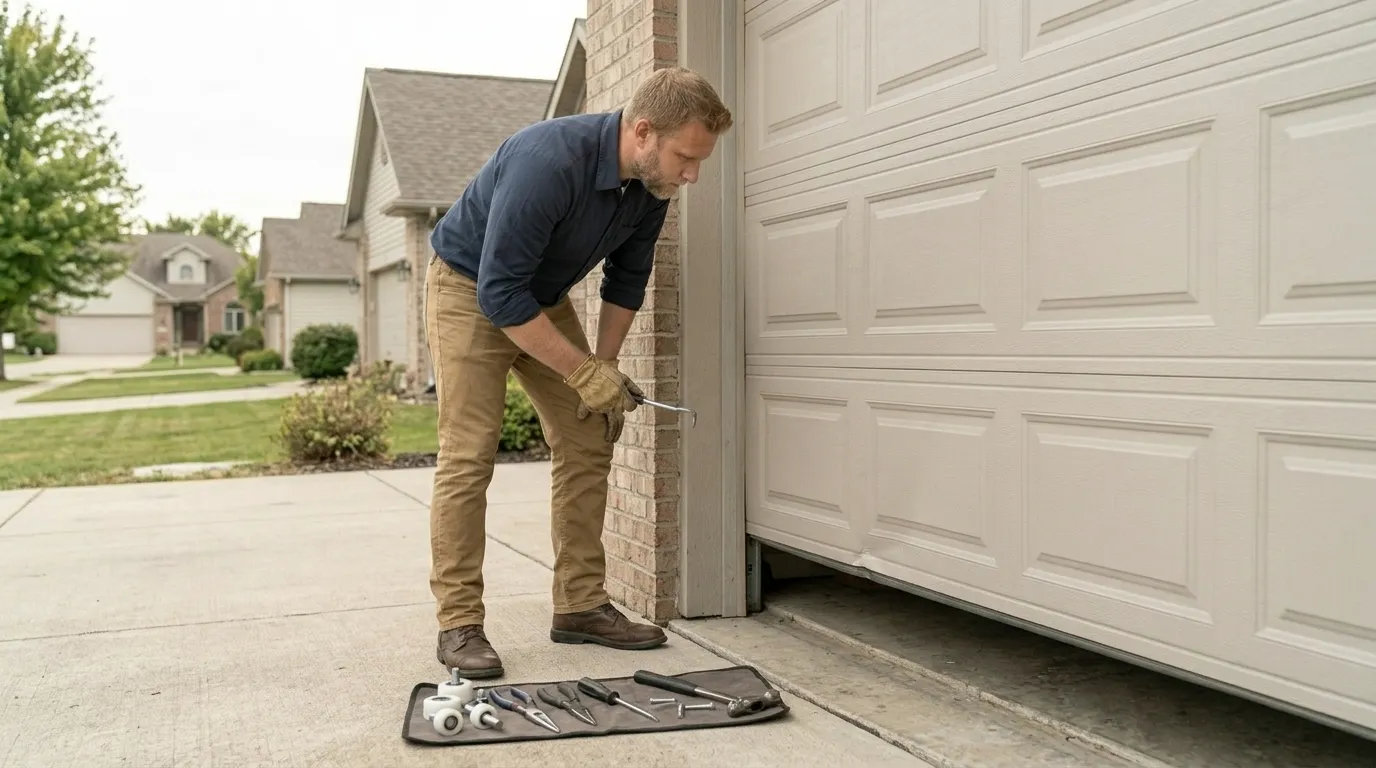
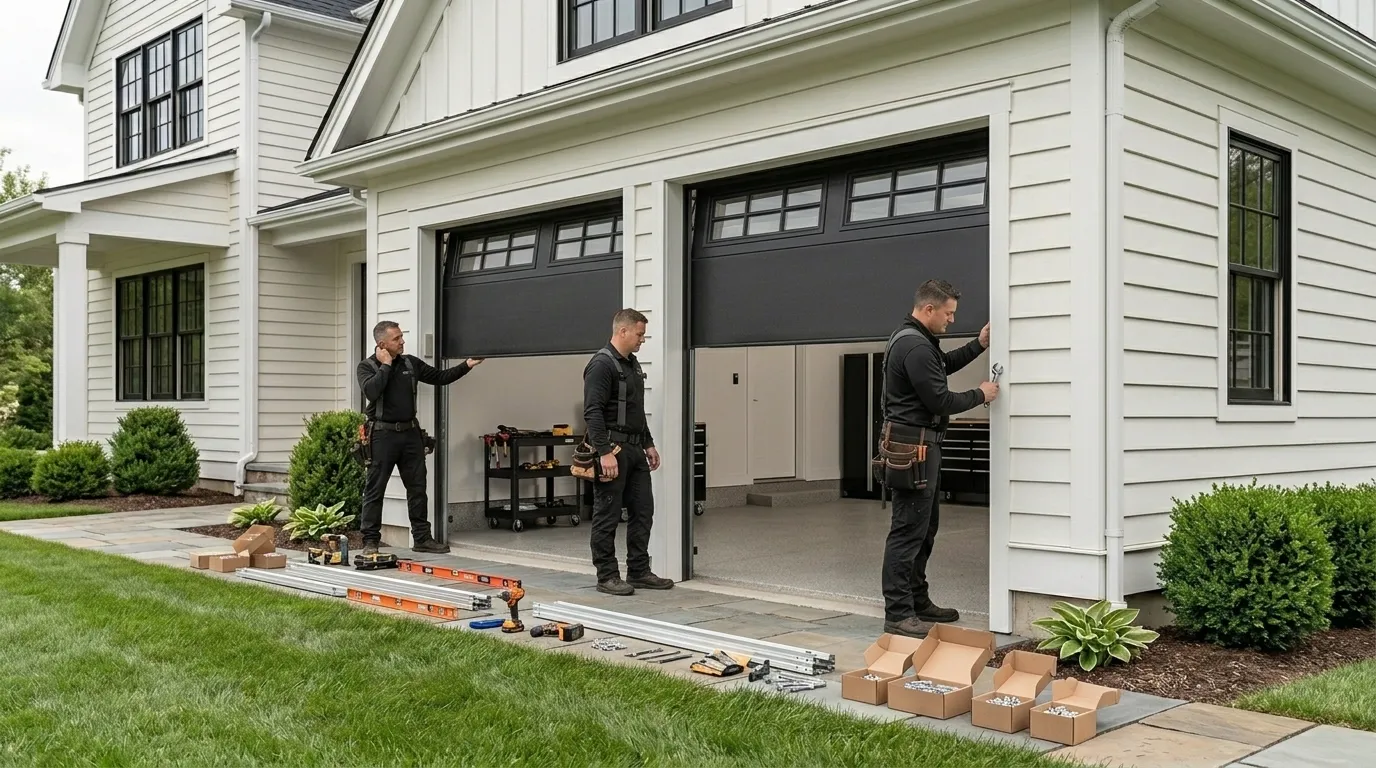
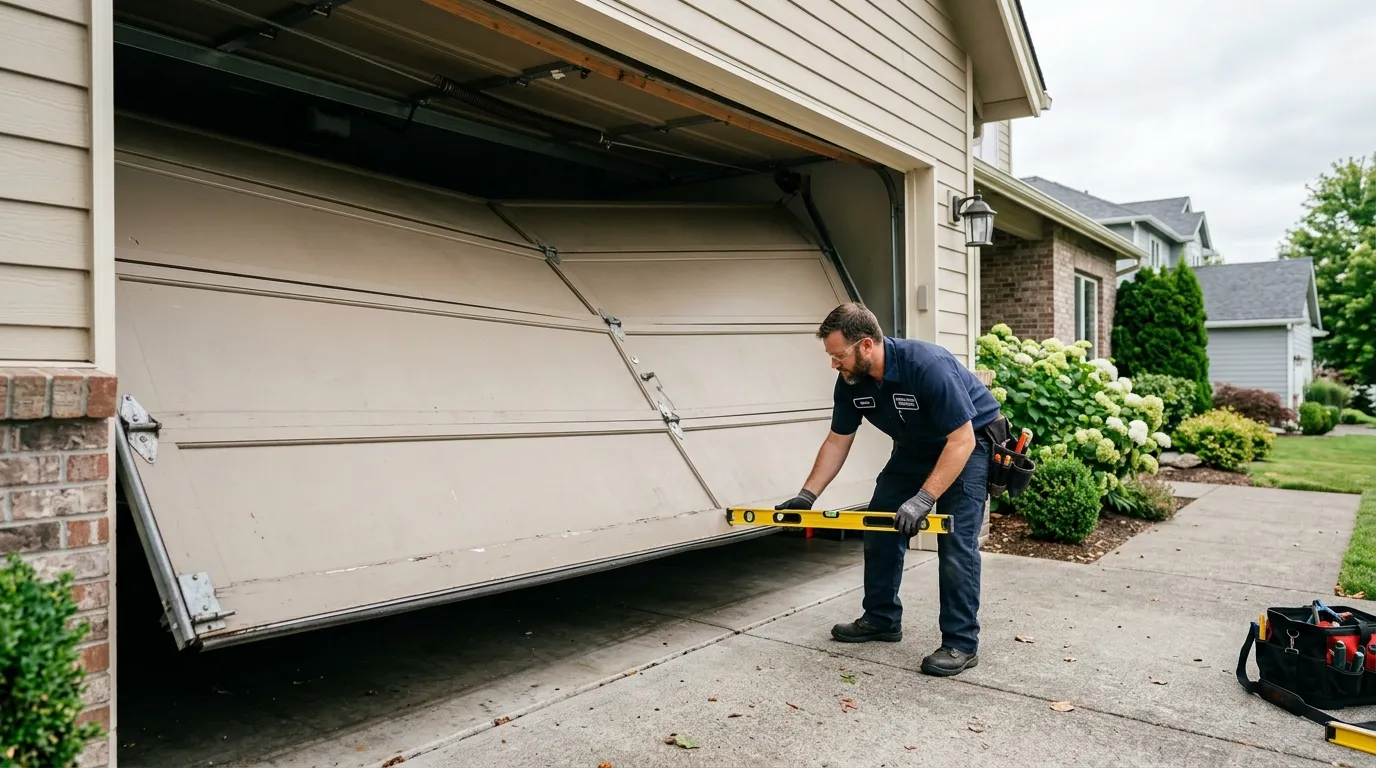
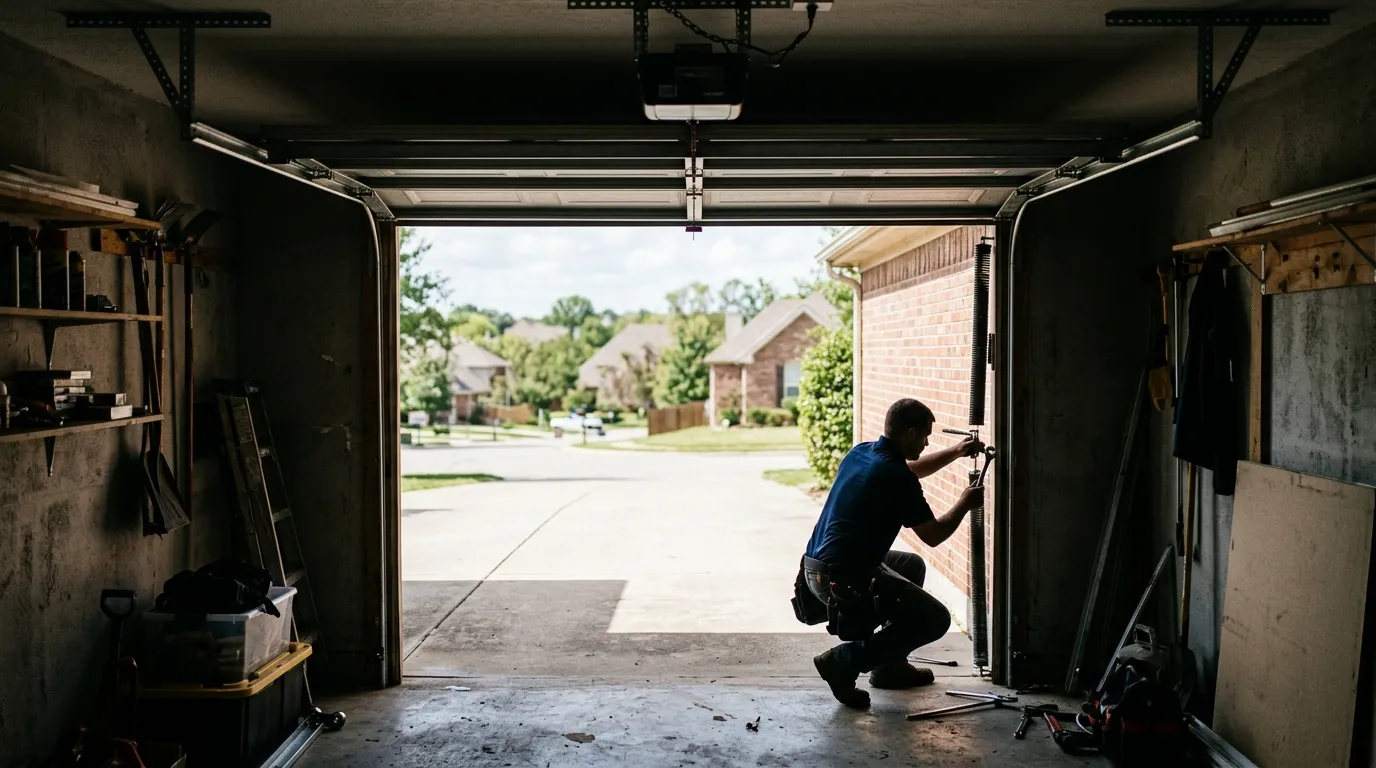
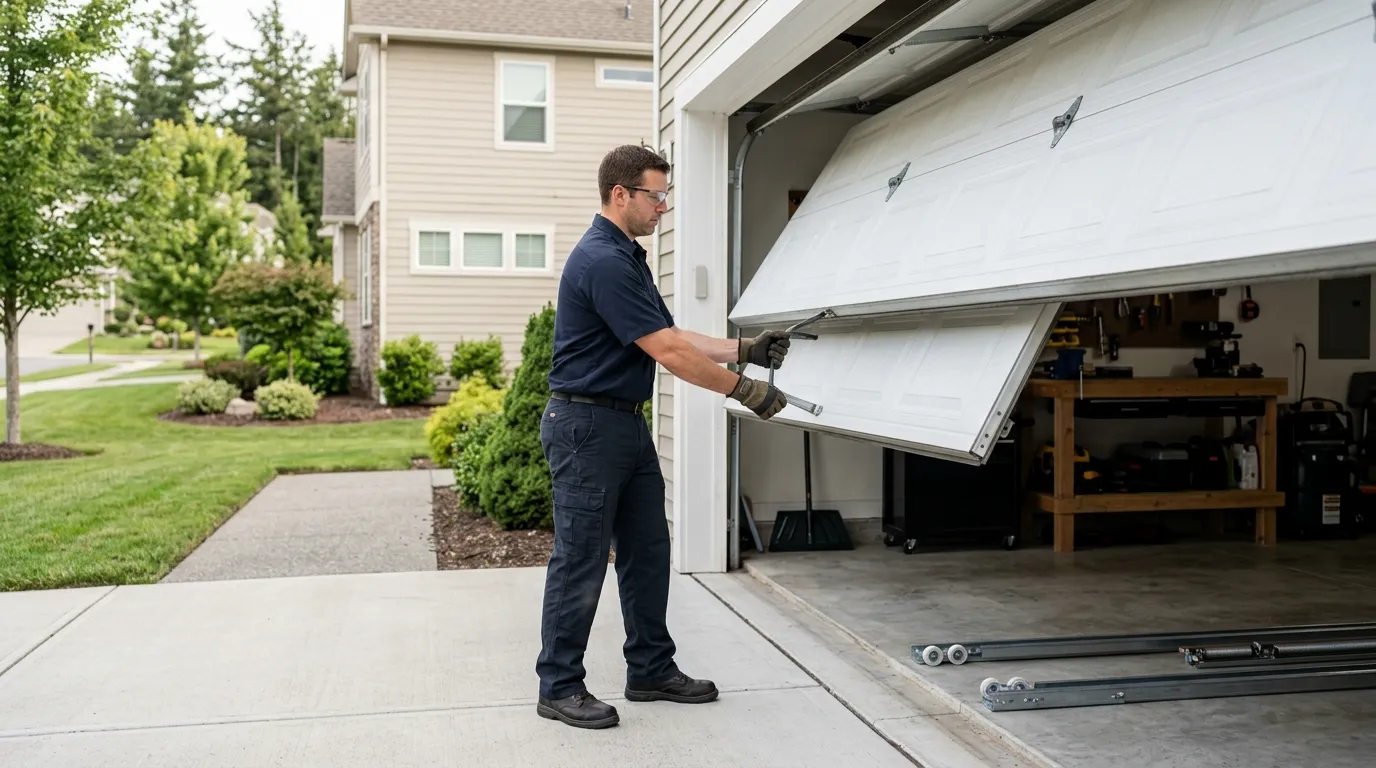
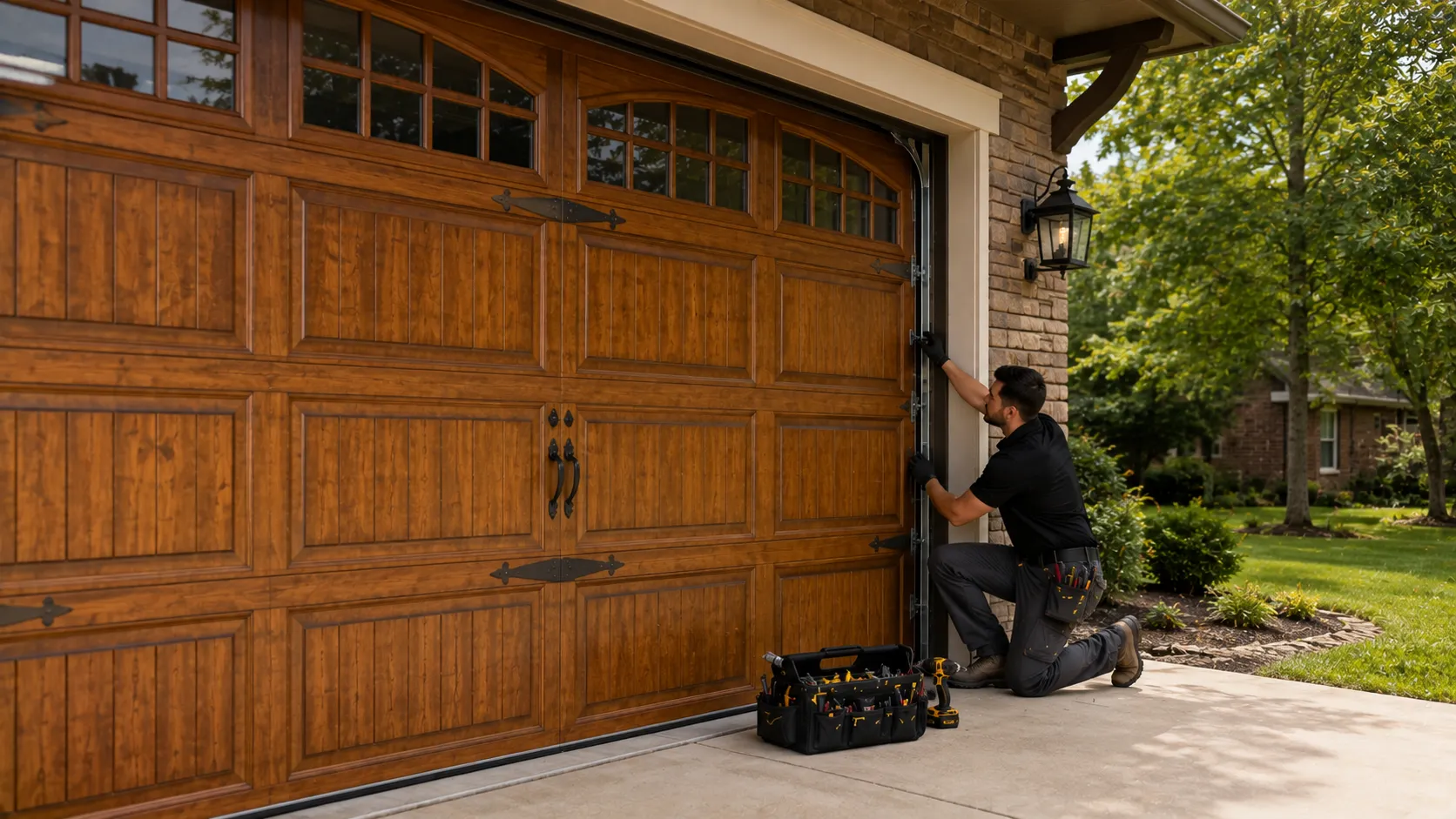
A single-panel swap on a 2004-and-newer door starts with matching the section - width, height, and the surface texture, since most of these doors use a stamped steel pattern that has to line up with the panels next to it. We pull the damaged section, disconnect it from the adjoining hinges and rollers, and set the replacement into the same track without touching the torsion spring unless the impact bent a hinge or knocked a roller out of true. On a door with foam-core insulation - common in Mapleton given the newer build years and Utah County's cold-severe winters - we check that the new panel's insulation rating matches, otherwise you get an obvious cold spot and a visible seam once the door's shut. If more than one panel on the same side took damage, or if the color's faded enough that a new section won't match, we'll tell you straight rather than sell you a mismatched fix. That's the honest limitation here: panel replacement only makes sense when the rest of the door is in good shape and the finish can still be matched reasonably well.
Why It Happens Here
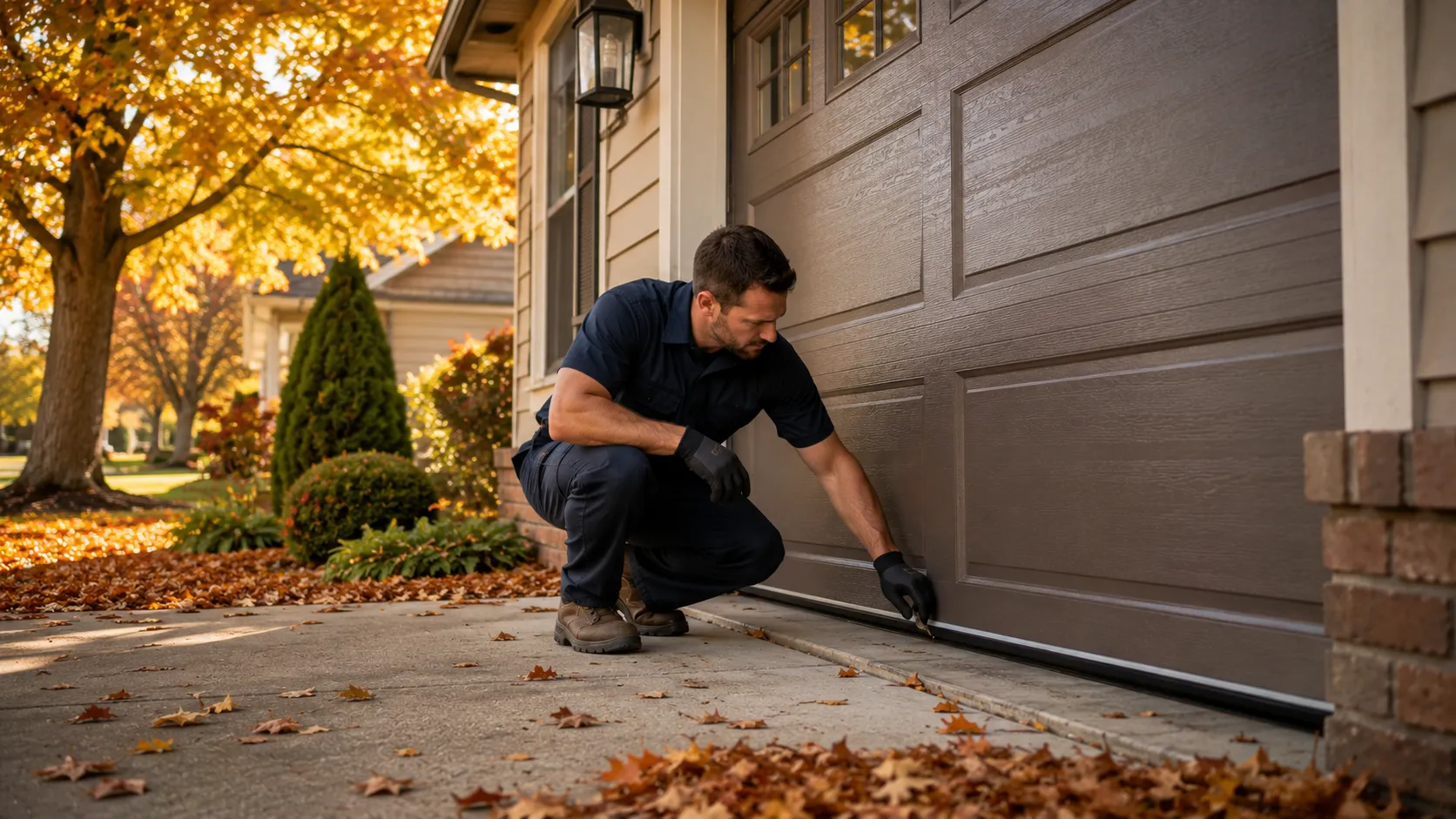
Most of the damage we see on Mapleton doors traces back to impact, not age - which tracks with a median build year of 2004. These aren't doors failing from forty years of Utah winters; they're doors getting hit by a mirror, a trailer hitch, or a basketball backboard on a garage that's only been standing two decades. The cold-severe climate band still matters, though: repeated freeze-thaw cycles on a dented panel can widen a crack that started as cosmetic into one that lets moisture behind the steel skin, which is when a simple ding turns into rust and a full panel failure. With 3,395 households in Mapleton, we're not dealing with the sheer volume of older housing stock you'd find in a town with more 1980s and 90s construction - so the failures here tend to cluster around specific incidents rather than general wear.