What the Repair Takes
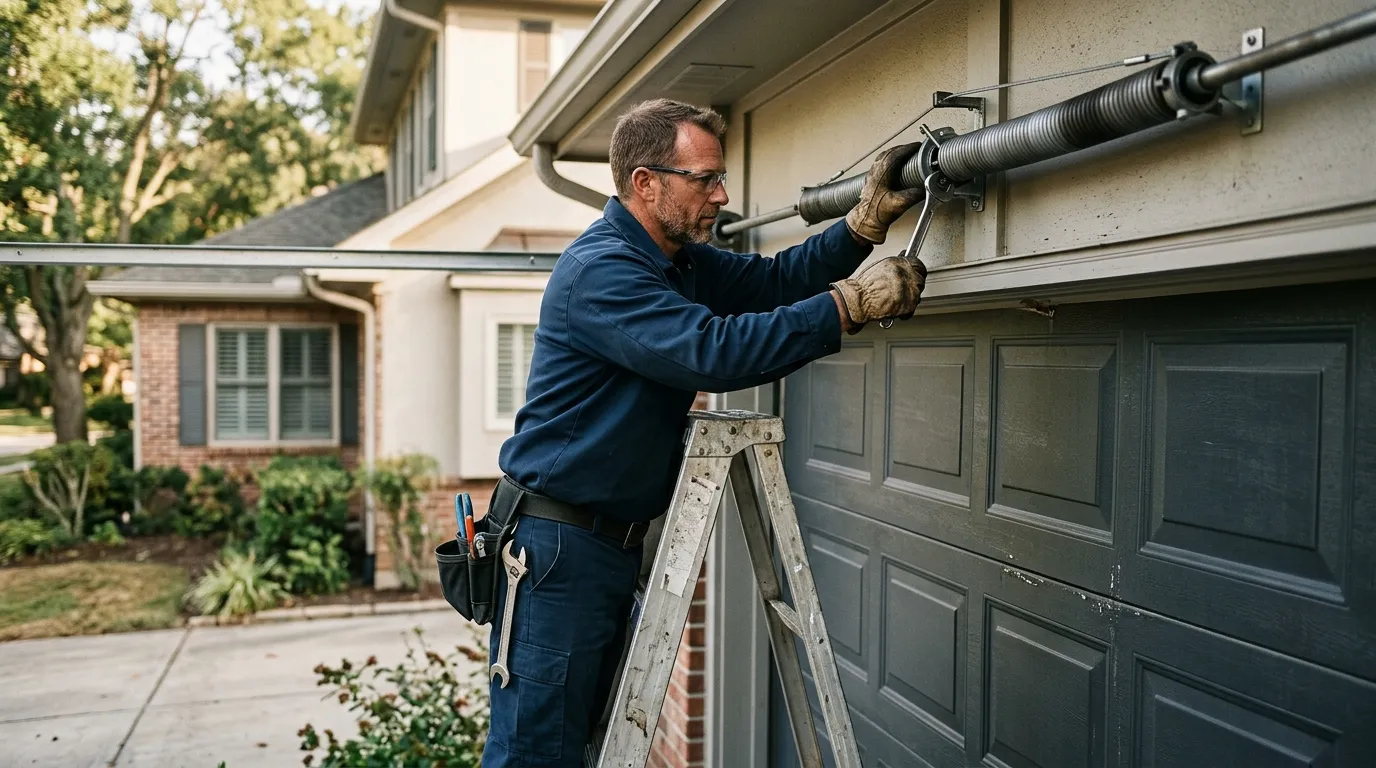
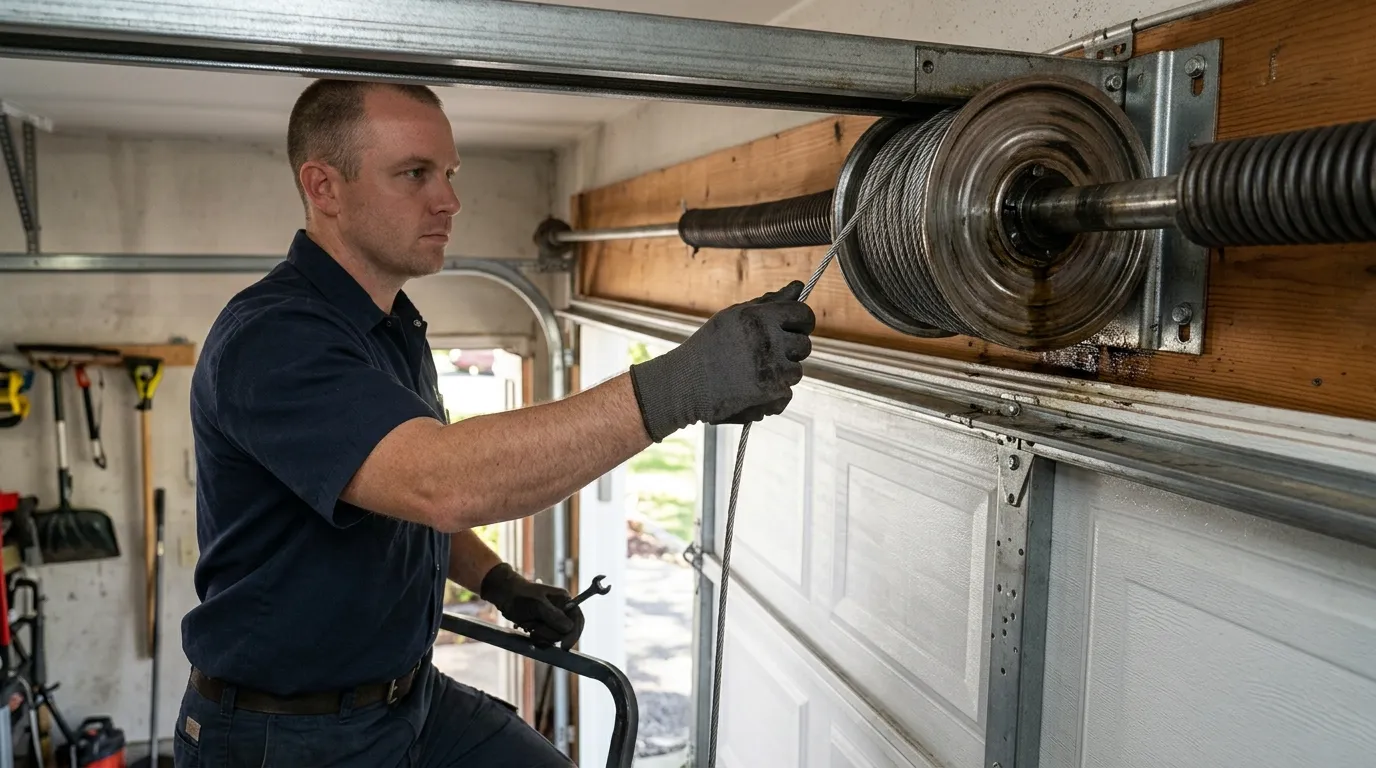
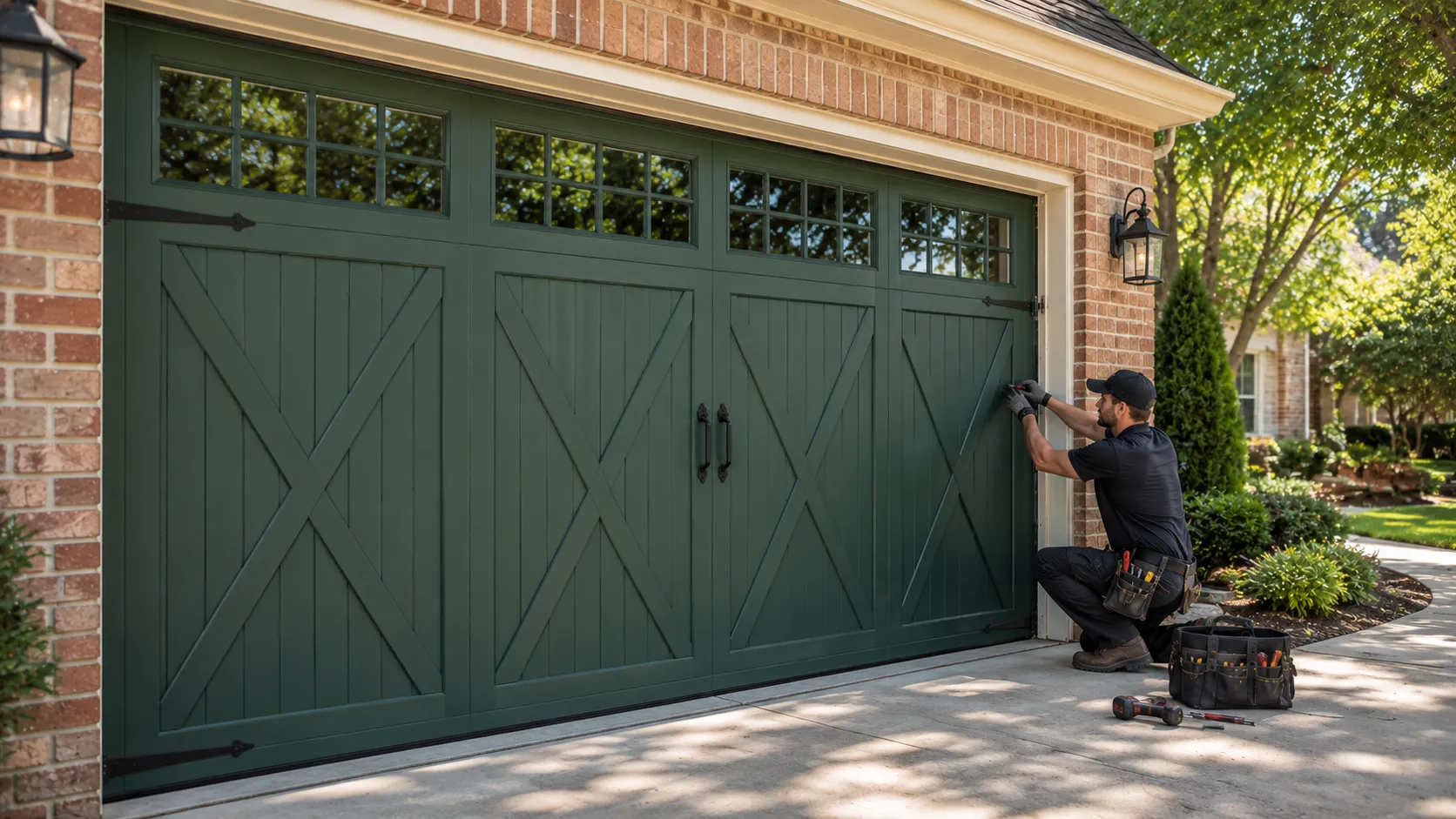
On a door this age, the first question is whether the part that failed is still made the way it used to be. Torsion springs are simple - we measure wire gauge, coil diameter, and length off the broken one and wind a matching pair. That's a same-visit job in most cases.
Openers are a different story. A logic board or a drive gear from an early-2000s unit sometimes isn't stocked anymore by the manufacturer, and we won't pretend otherwise - if the part's been discontinued, replacing the opener outright is usually faster and not much more expensive than hunting down an obsolete board.
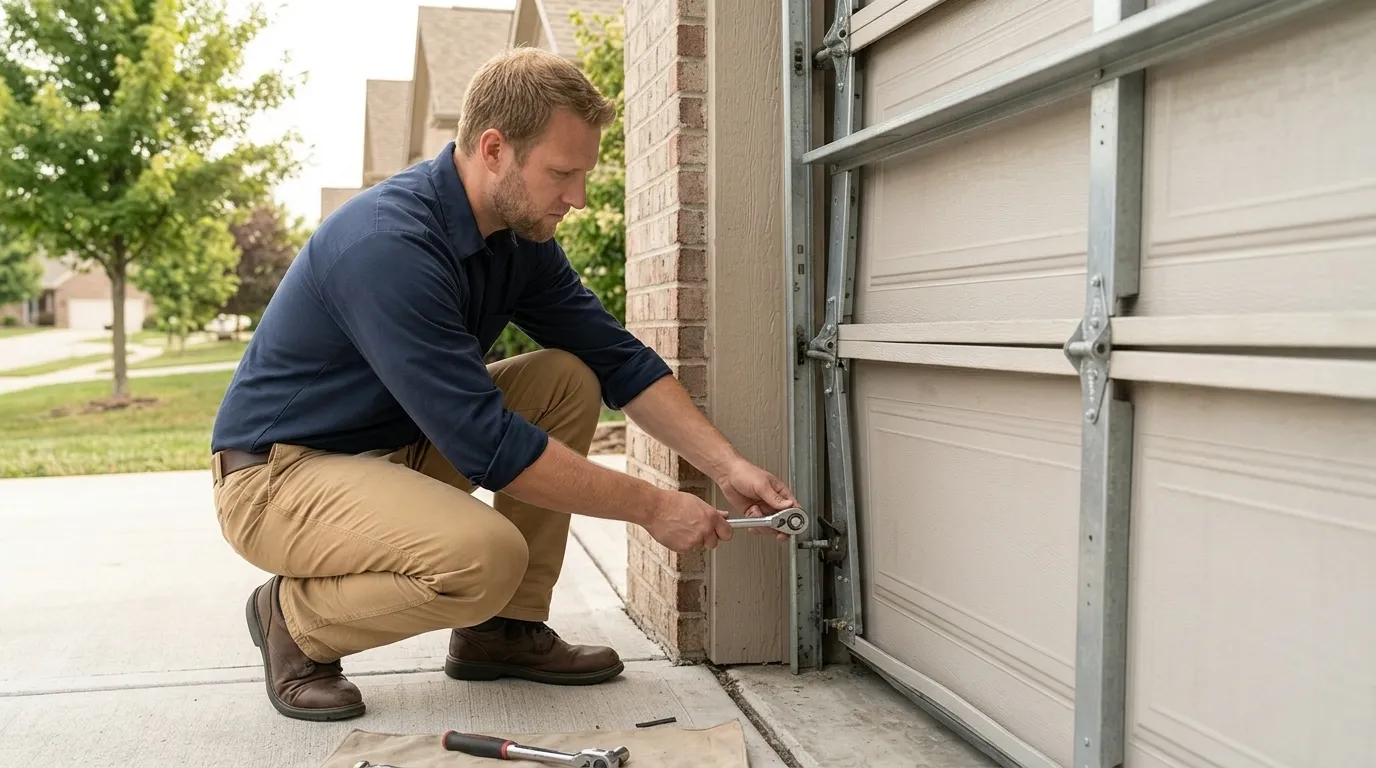
Track and roller work is usually the most straightforward: bent track gets pulled and reset or replaced, worn rollers get swapped for steel ball-bearing ones that outlast the plastic originals. Cable ends fray the same way regardless of age, and we replace both cables together even if only one has let go, since the other one is on borrowed time.
We carry common spring sizes and roller stock on the truck. Anything opener-specific that we don't have on hand, we order and come back - we tell you which before we start, not after.
Why It Happens Here
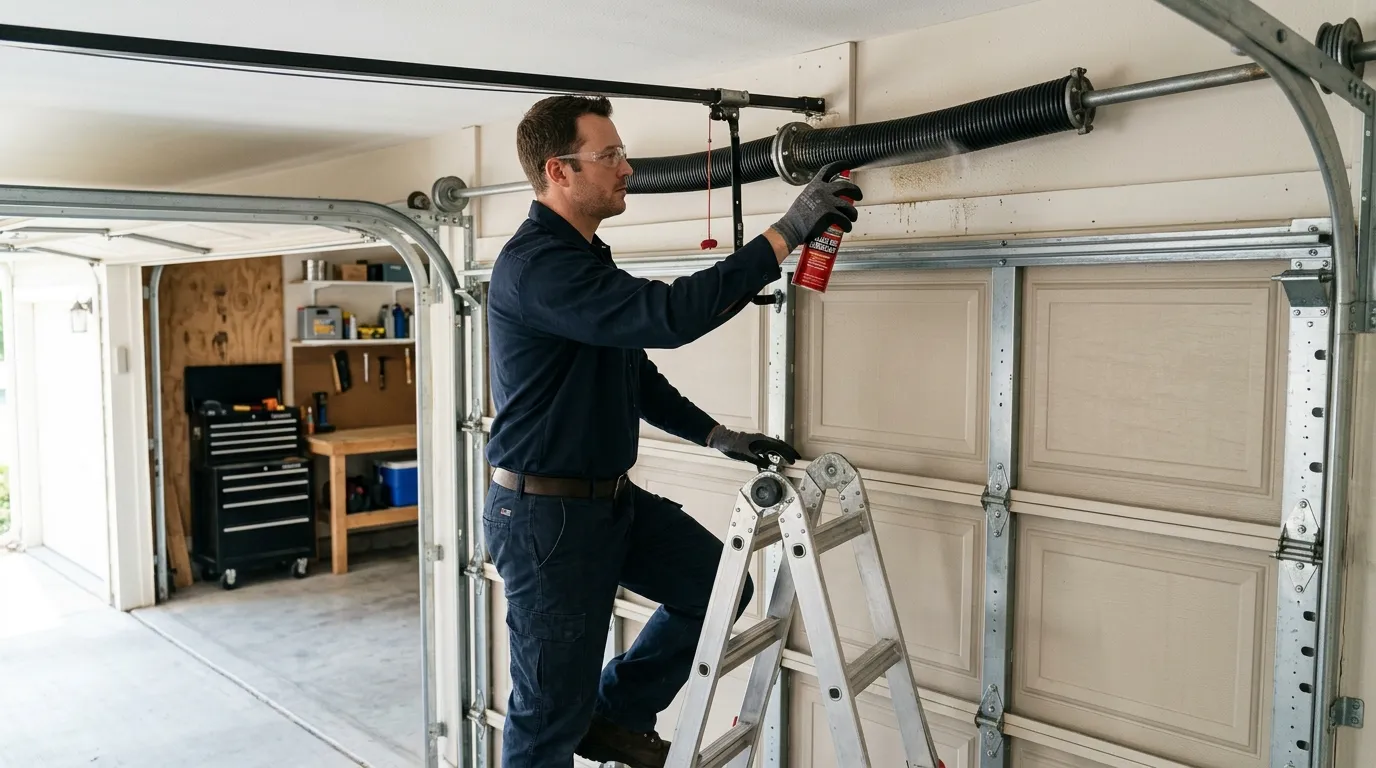
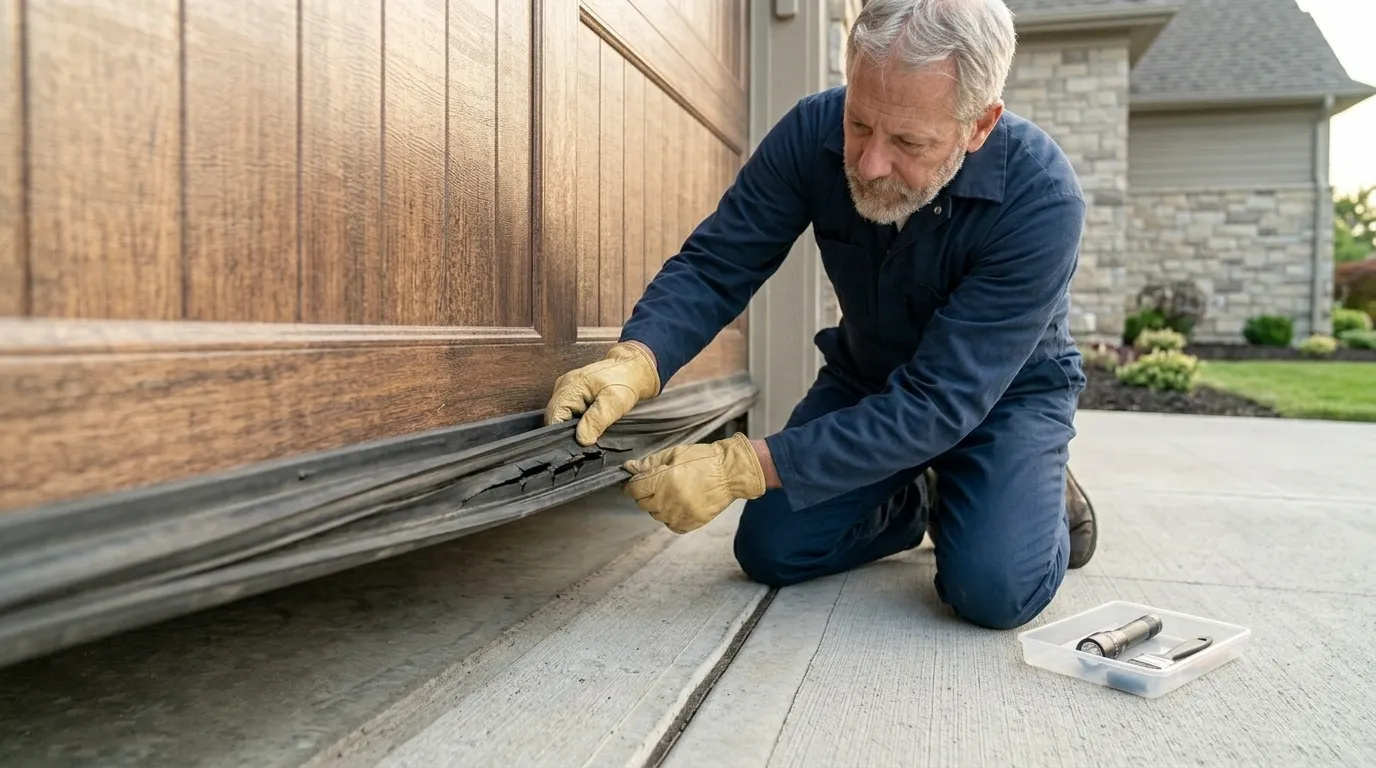
Utah County sits in a cold-severe climate band, and that matters more for a 2004 door than it would for a brand-new one. Steel contracts in winter, and after enough freeze-thaw cycles the factory lubricant on an original spring or hinge thins out and gums up. Add twenty winters of that cycle and the metal fatigue that eventually snaps a spring or seizes a hinge shows up earlier than it would in a milder climate.
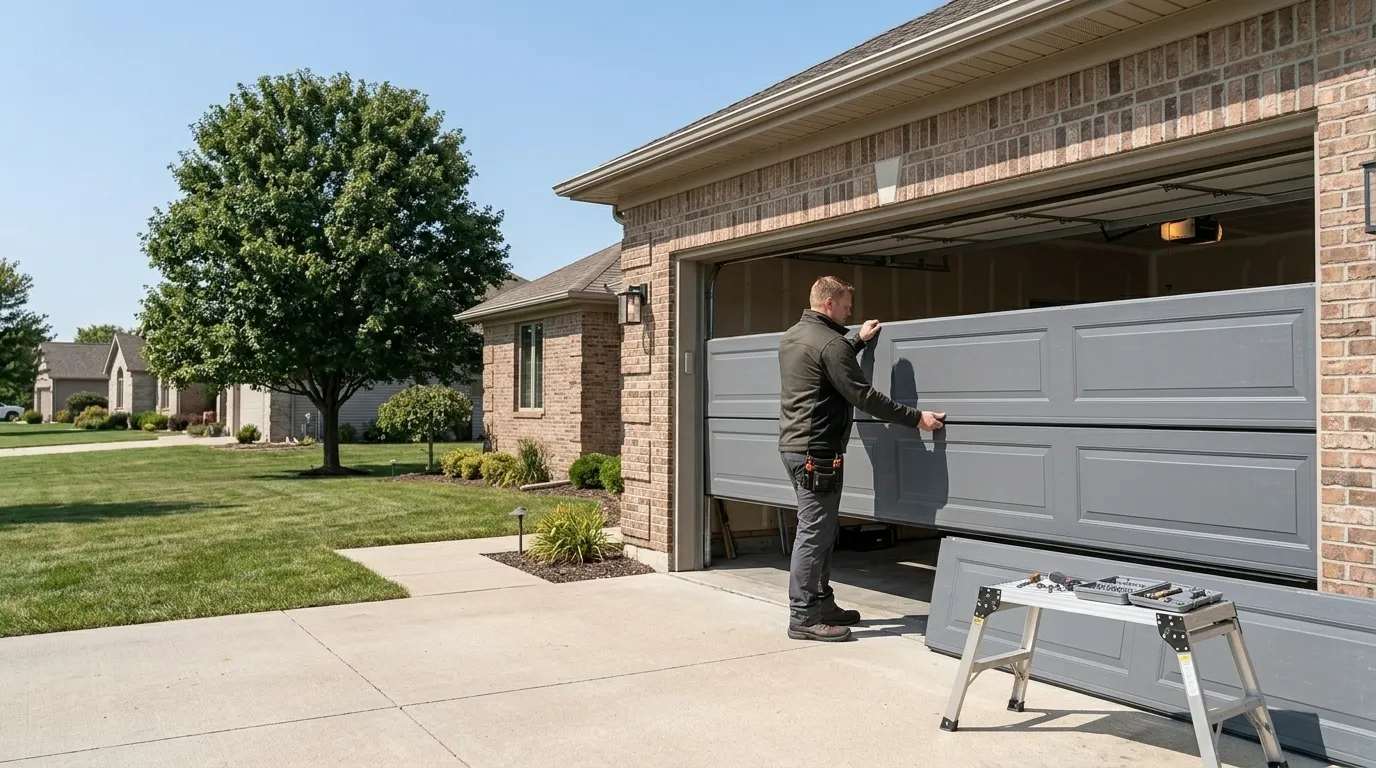
Mapleton's household income, at $127,860, runs well above the wider service area's $104,583 median, and that tends to show up as bigger two-car and three-car doors - more square footage of steel and more spring tension per door, which means more load on aging torsion hardware. It's not that these doors are built worse; there's just more weight for a twenty-year-old spring to hold.
With 3,395 households here, most on a similar build-out timeline, we see the same handful of failures repeat: springs going within a year or two of each other on houses built in the same phase, openers from the same era failing around the same mileage. It's less random than it looks.