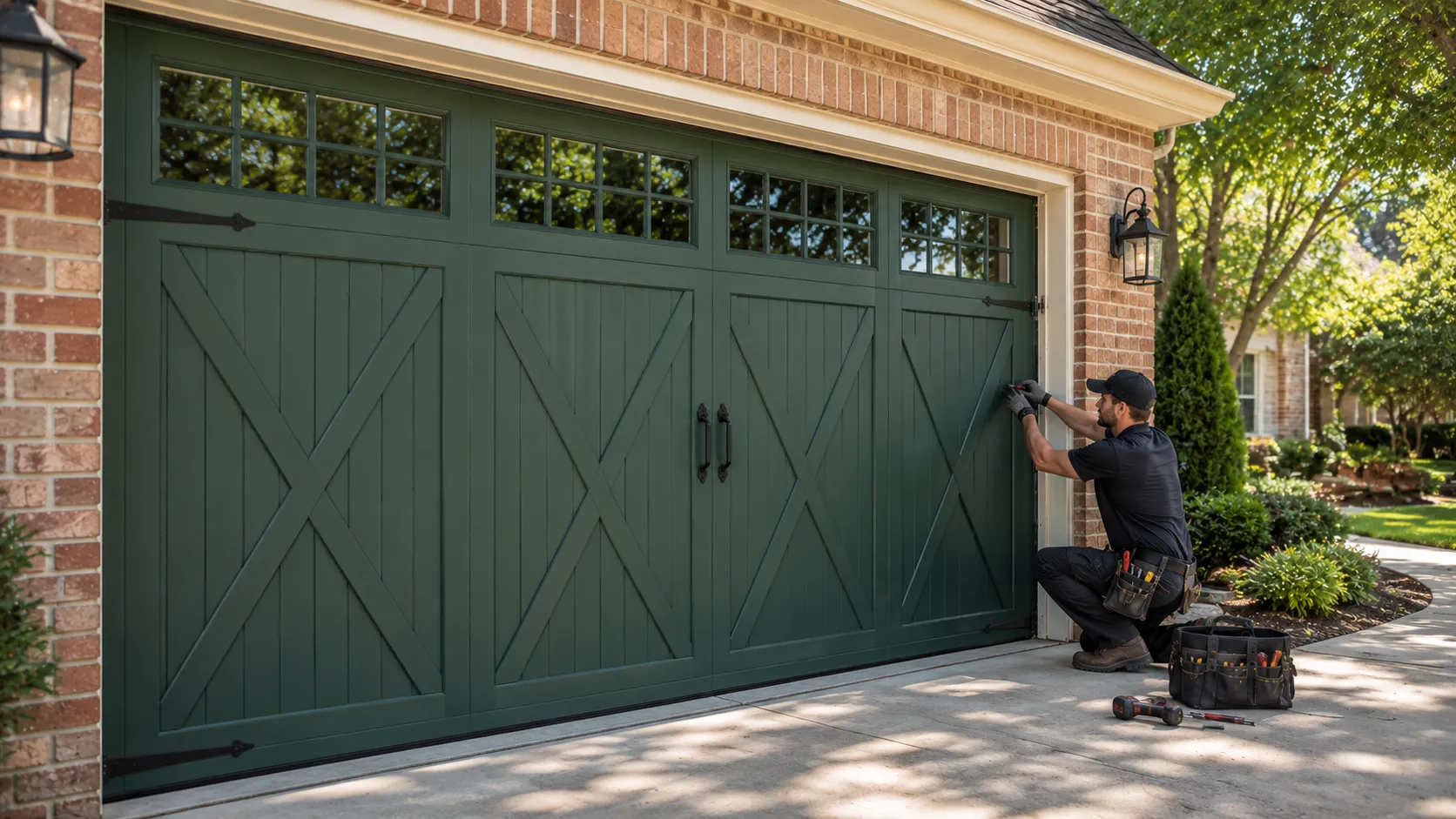
Stocked Parts
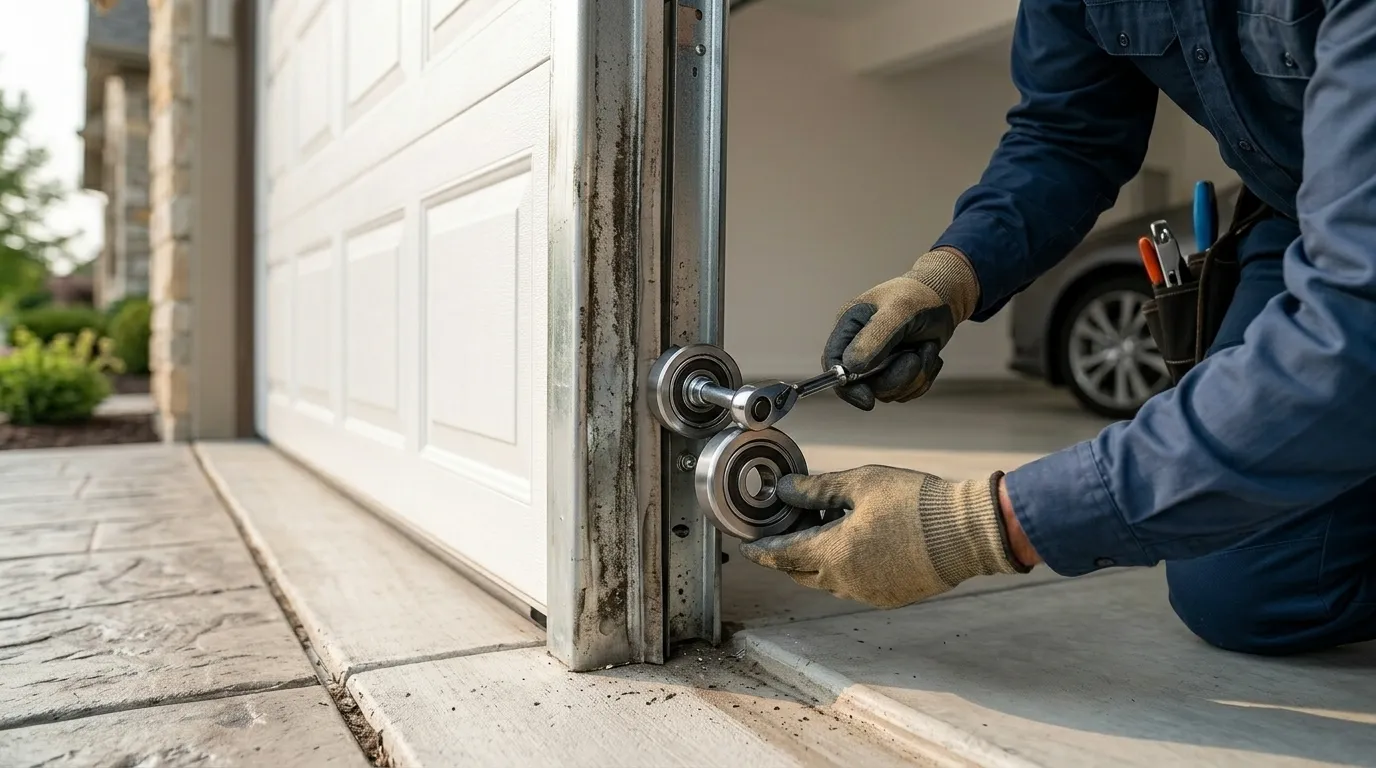
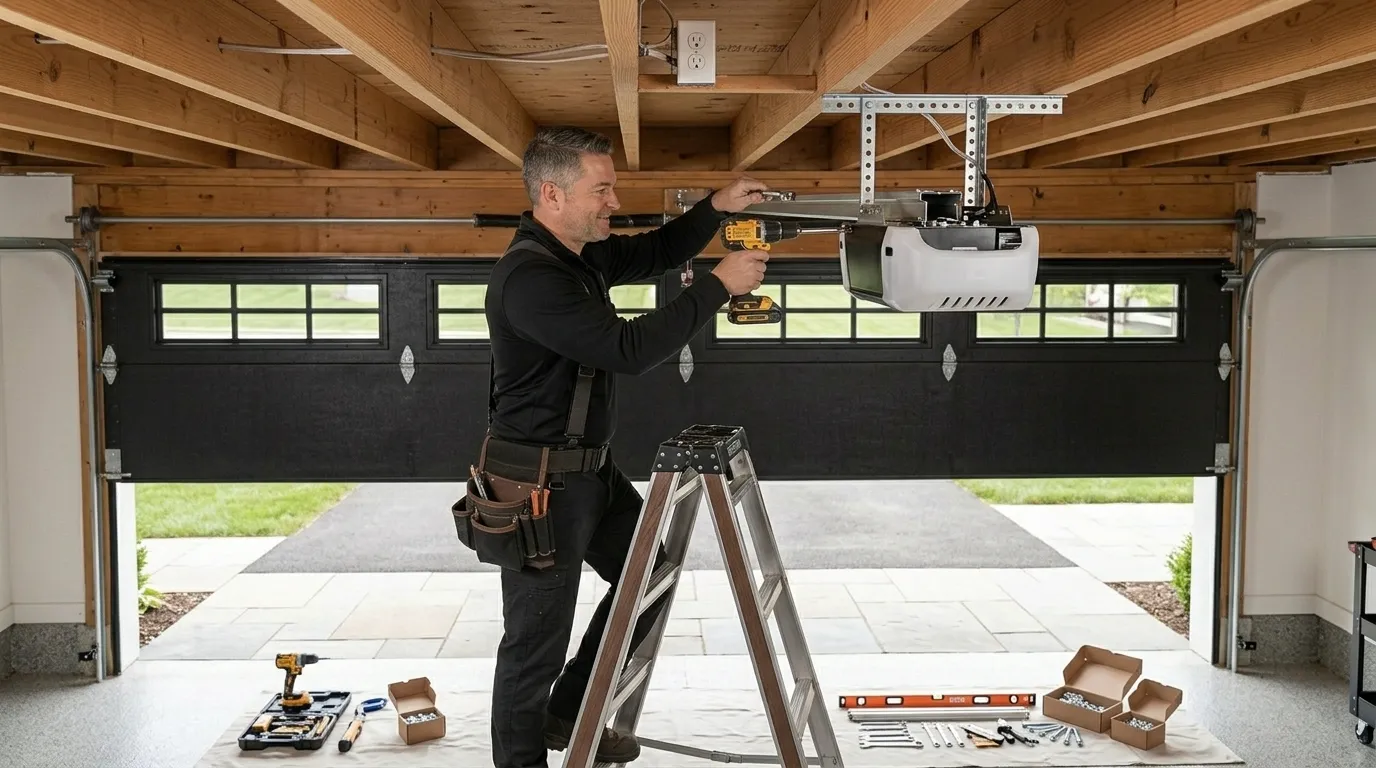
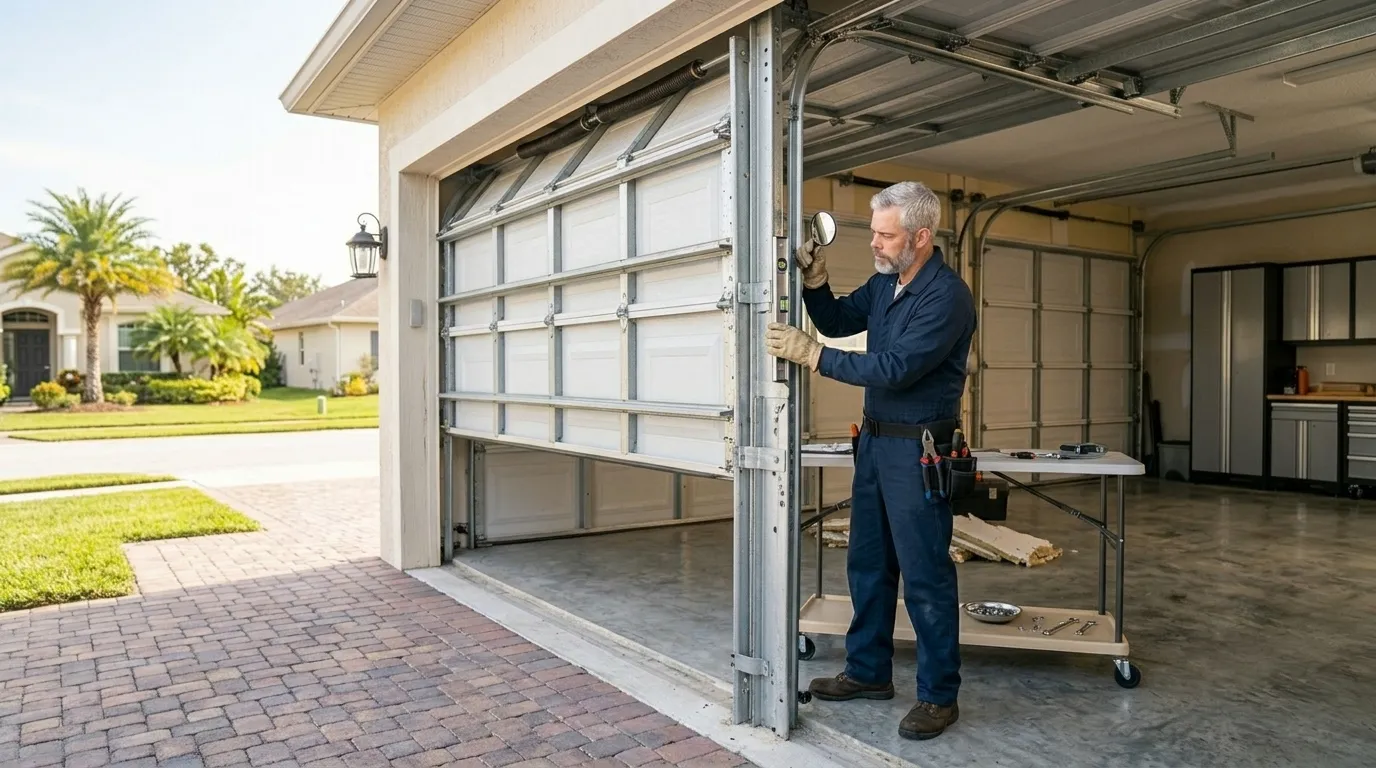
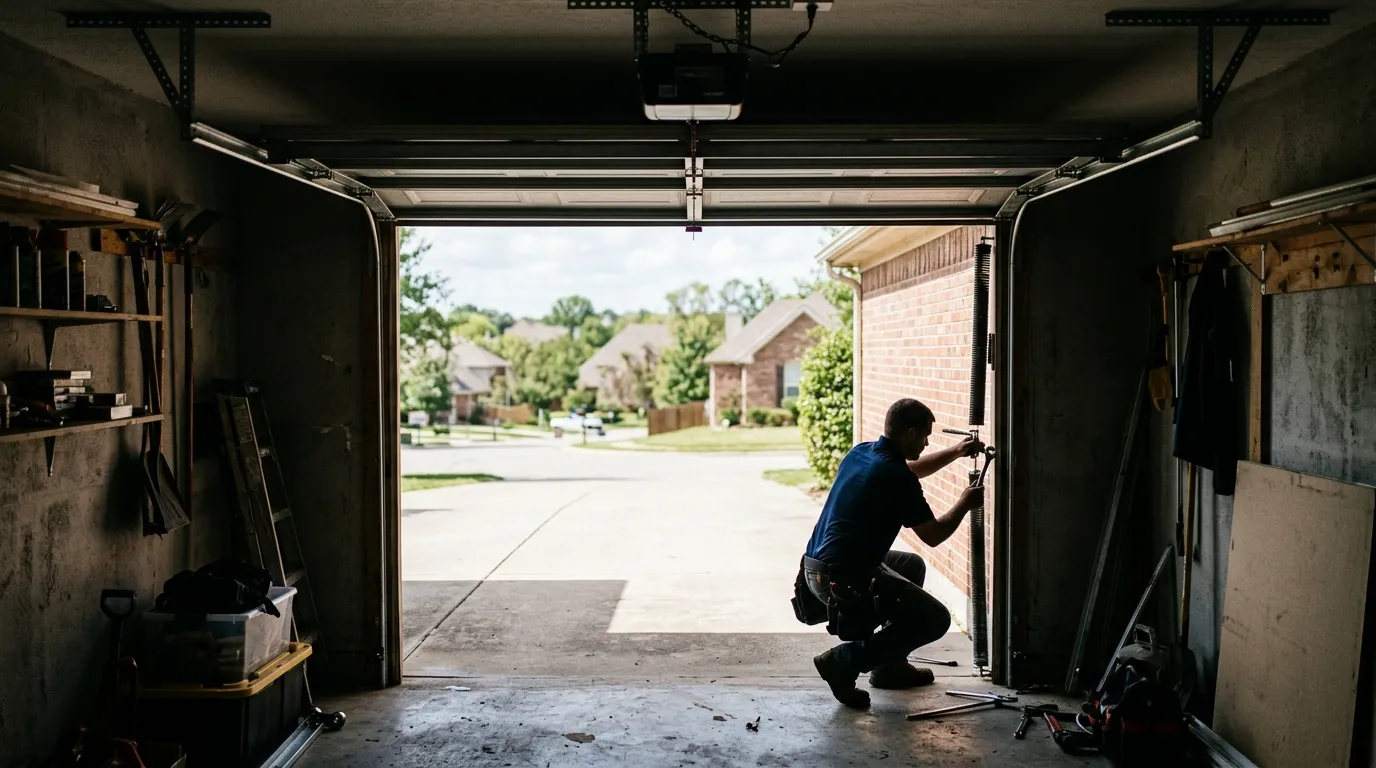
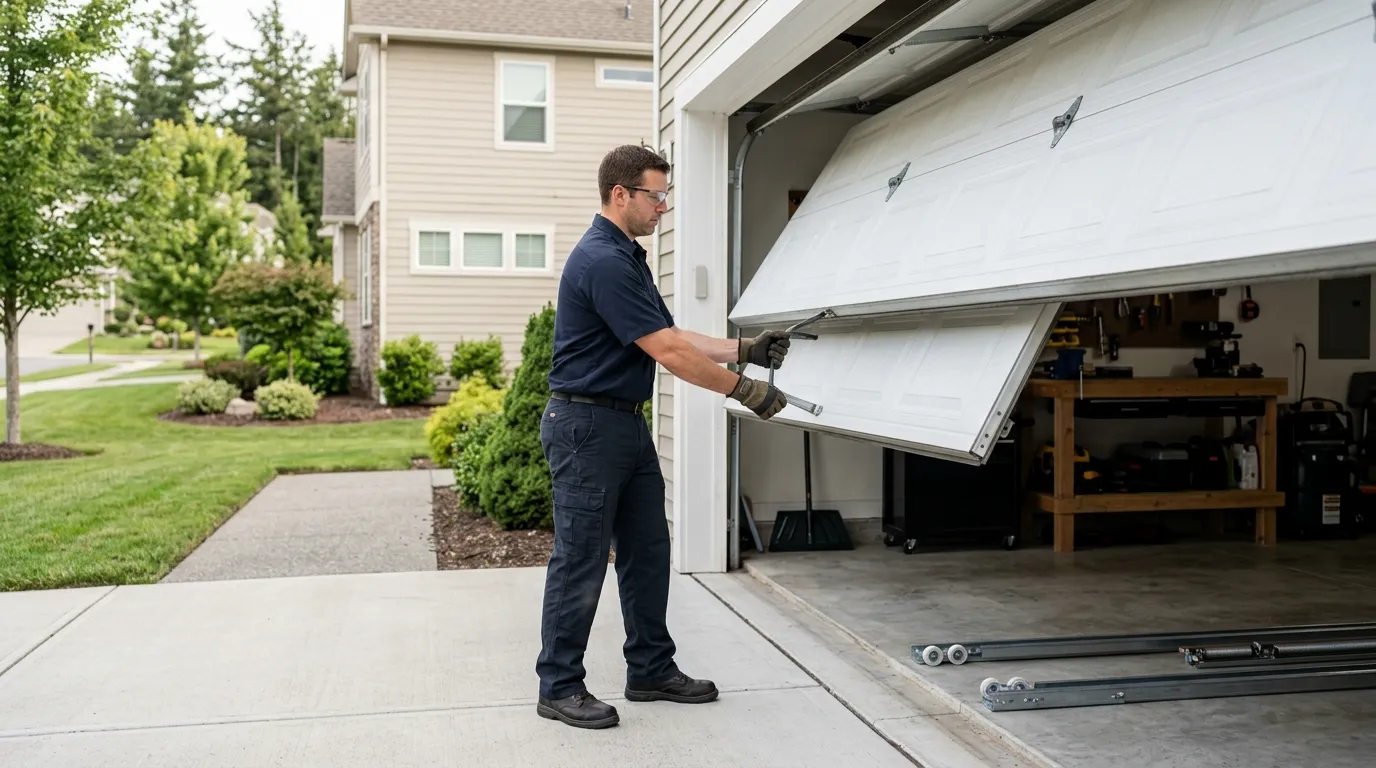
For a Salem house built in the early 2000s, the truck carries what actually wears out on that generation of door: steel rollers to replace the factory nylon ones that have hardened with age, standard-wind torsion springs sized to the lighter steel panels common in that era, and the belt or chain components that match early-2000s opener drive systems. We also carry weatherstrip and bottom seal stock sized for that cold band - not a heavier commercial gauge, since these are standard residential single and double doors, not the older, heavier one-piece units you'd find on pre-1980 construction elsewhere in the service area.
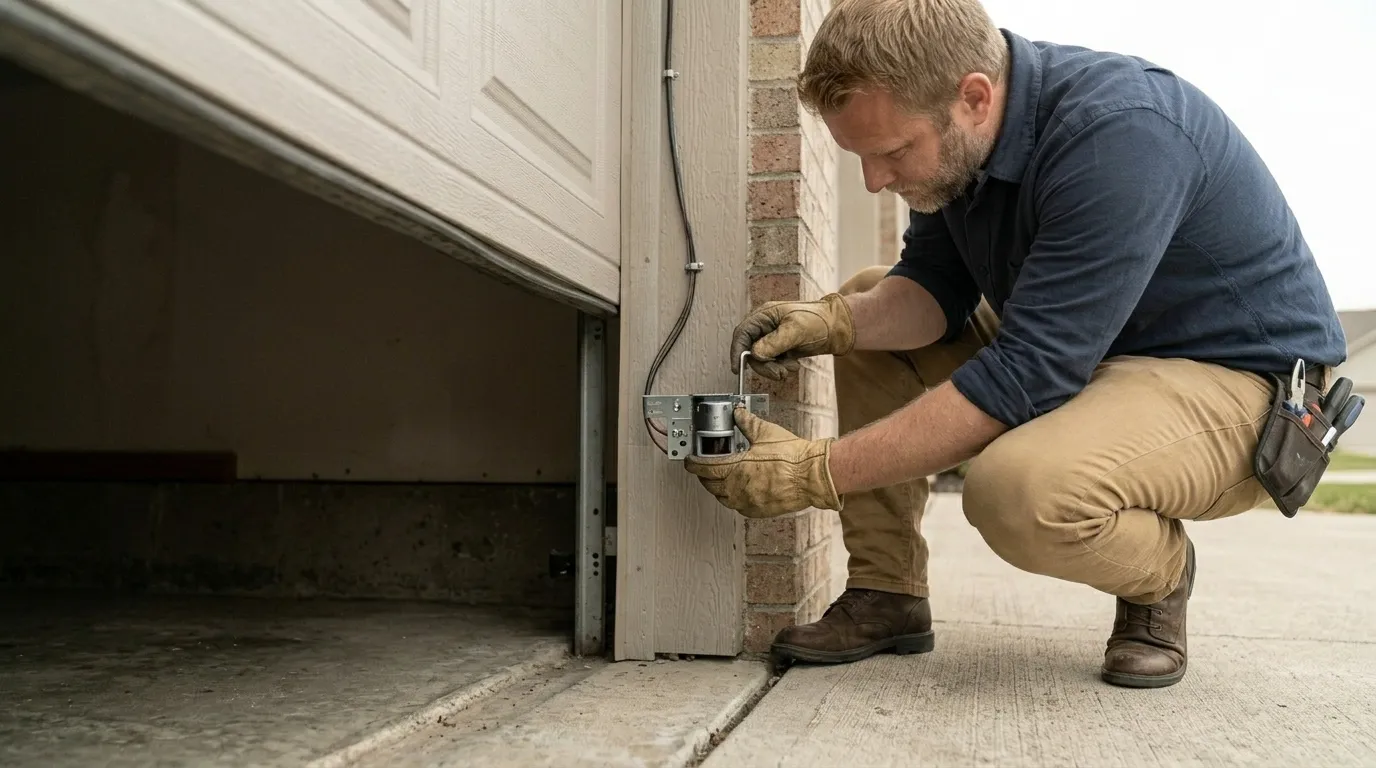
What we don't carry on the truck is a replacement logic board for every opener model sold in 2003 or 2004. If your board has actually failed rather than just drifted out of calibration, that part sometimes has to be ordered, and we'll tell you that on the visit rather than pretend otherwise. Most of the time in Salem it's a sensor alignment, a worn gear, or a spring that's lost tension - not a board swap - but it's worth knowing that one specific repair can carry a wait.
How Long You Are Without the Door
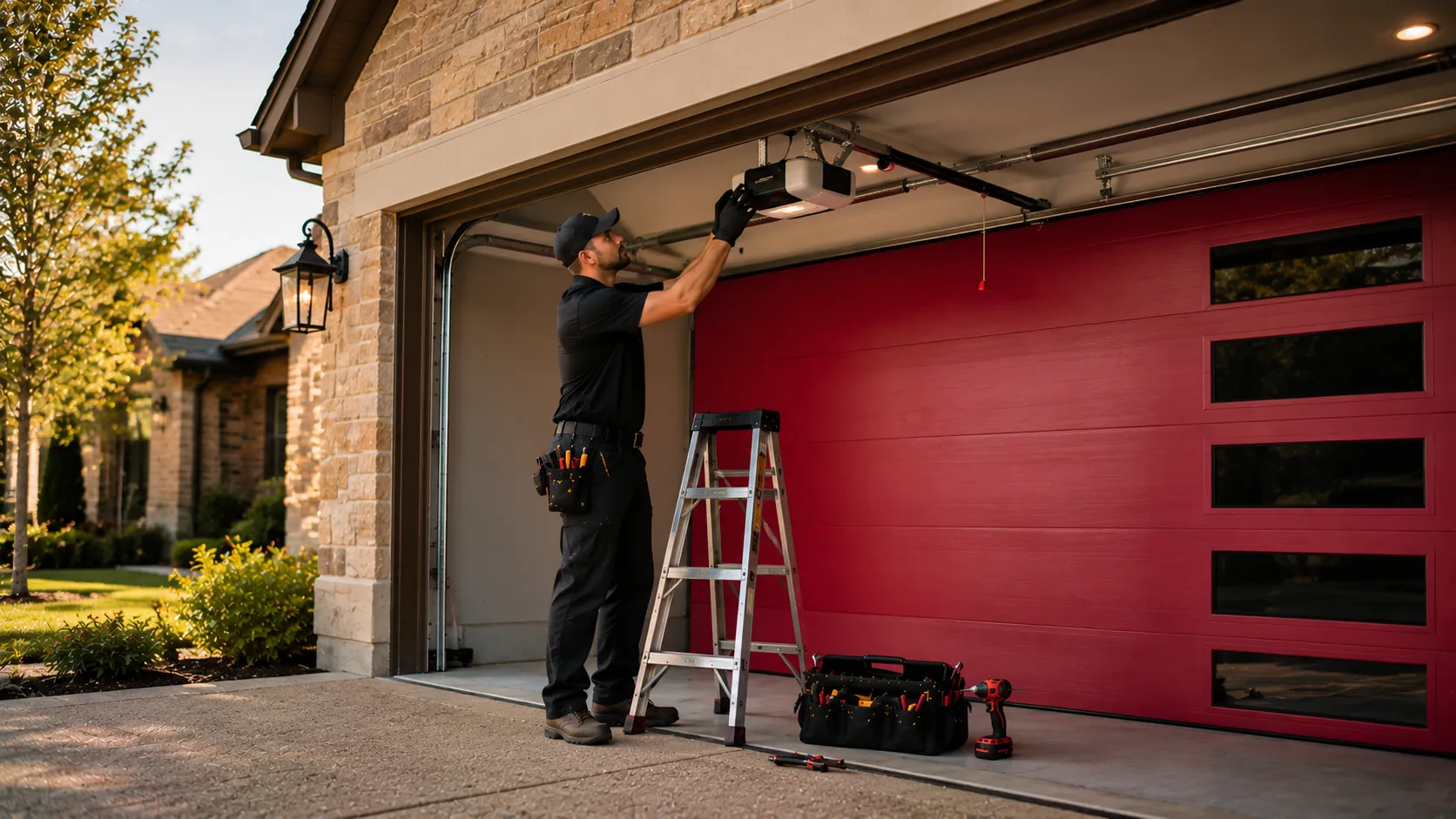
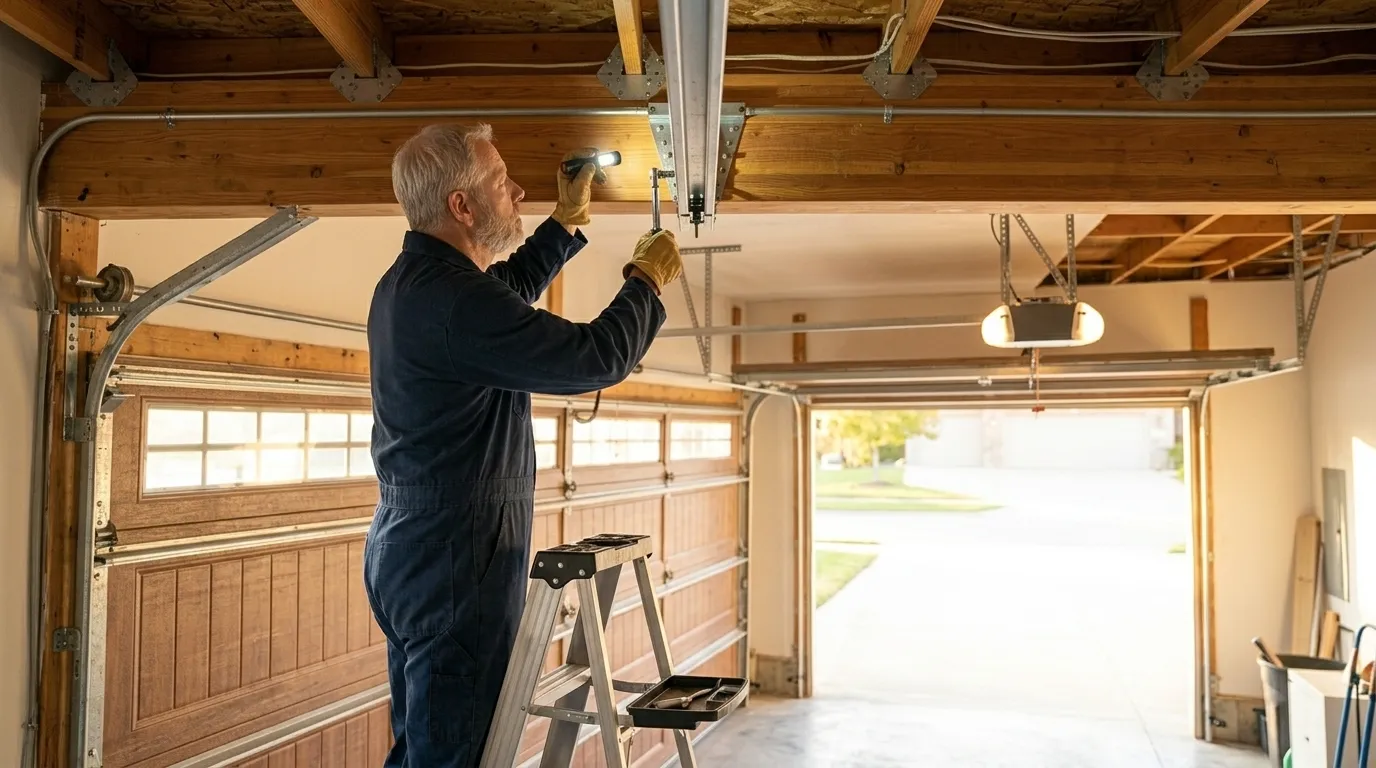
A standard maintenance visit - spring tension check, roller and hinge inspection, track alignment, opener sensor test, and lubrication - doesn't take the door out of service for any real stretch. You're not without a working garage door while we work; the door stays functional between checks and adjustments. If the visit turns up a roller or hinge that needs swapping, that's done on the spot from the truck stock above.
Where it changes is if the opener board itself has failed rather than just needing recalibration. In that case the door can still be operated manually while a replacement part is sourced, so you're never locked out of the garage entirely - you're just back to lifting it by hand until the part arrives. We'll walk you through that trade-off on site rather than leave you guessing.
Where This Job Goes Sideways
The place this goes wrong is when a homeowner assumes a noisy opener is just old and needs replacing outright, when it's actually a sensor knocked out of alignment or a drive gear worn down - a much cheaper fix. The reverse also happens: a board that's actually failed gets treated as a simple tune-up, and the door keeps intermittently failing until the real part shows up.
The other spot: Salem's homes, sitting in that early-2000s build window, mostly still have their original factory opener. Nobody's had a reason to touch it in twenty years. That's long enough for a chain to stretch, a gear to strip, or a capacitor to weaken, but short enough that owners often think of the opener as basically new. It isn't. If a full opener swap turns out to be the right call rather than a repair, that's a bigger job than a maintenance visit, and we'll say so plainly instead of stringing along small fixes on a unit that's at the end of its run.